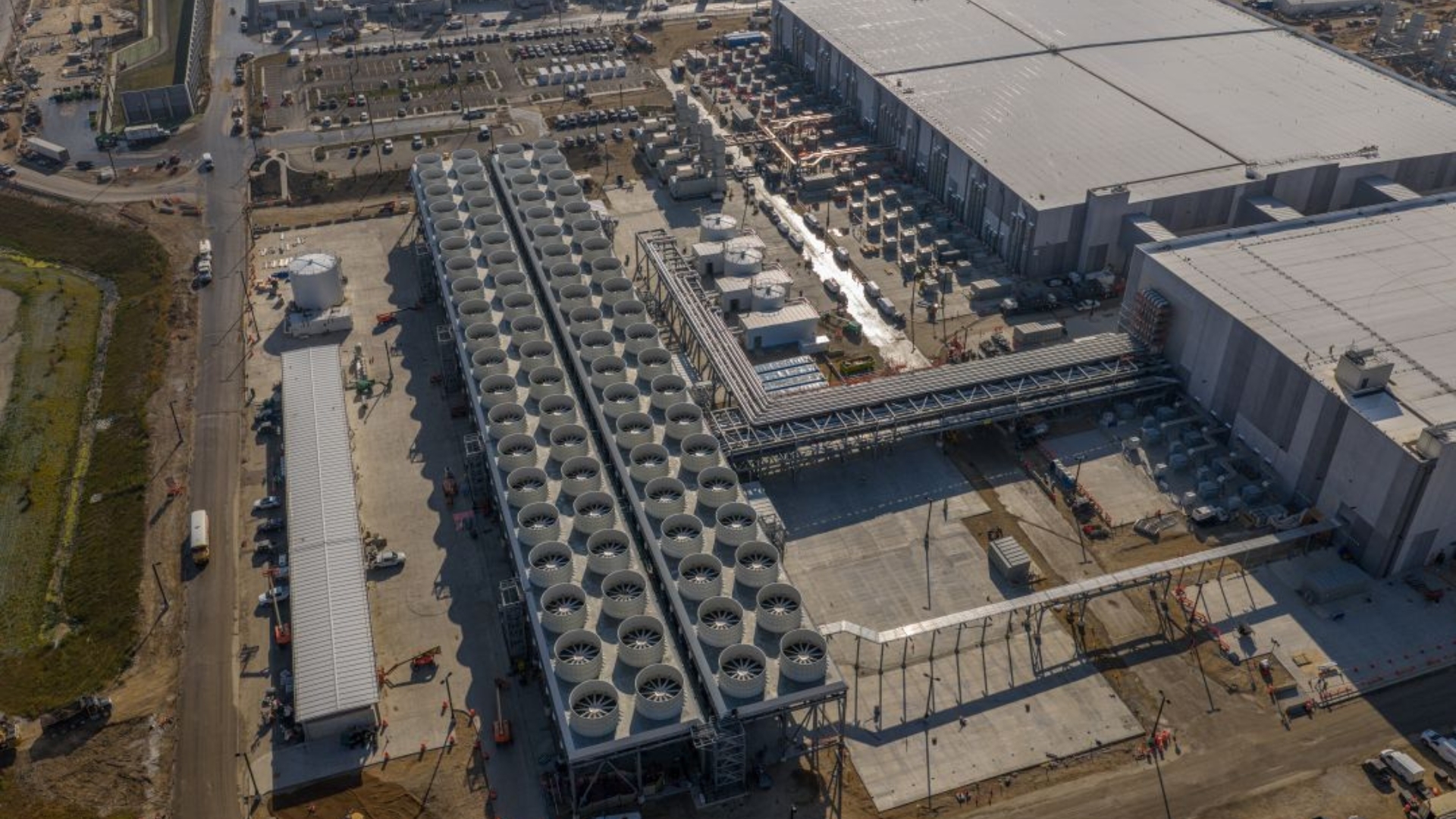
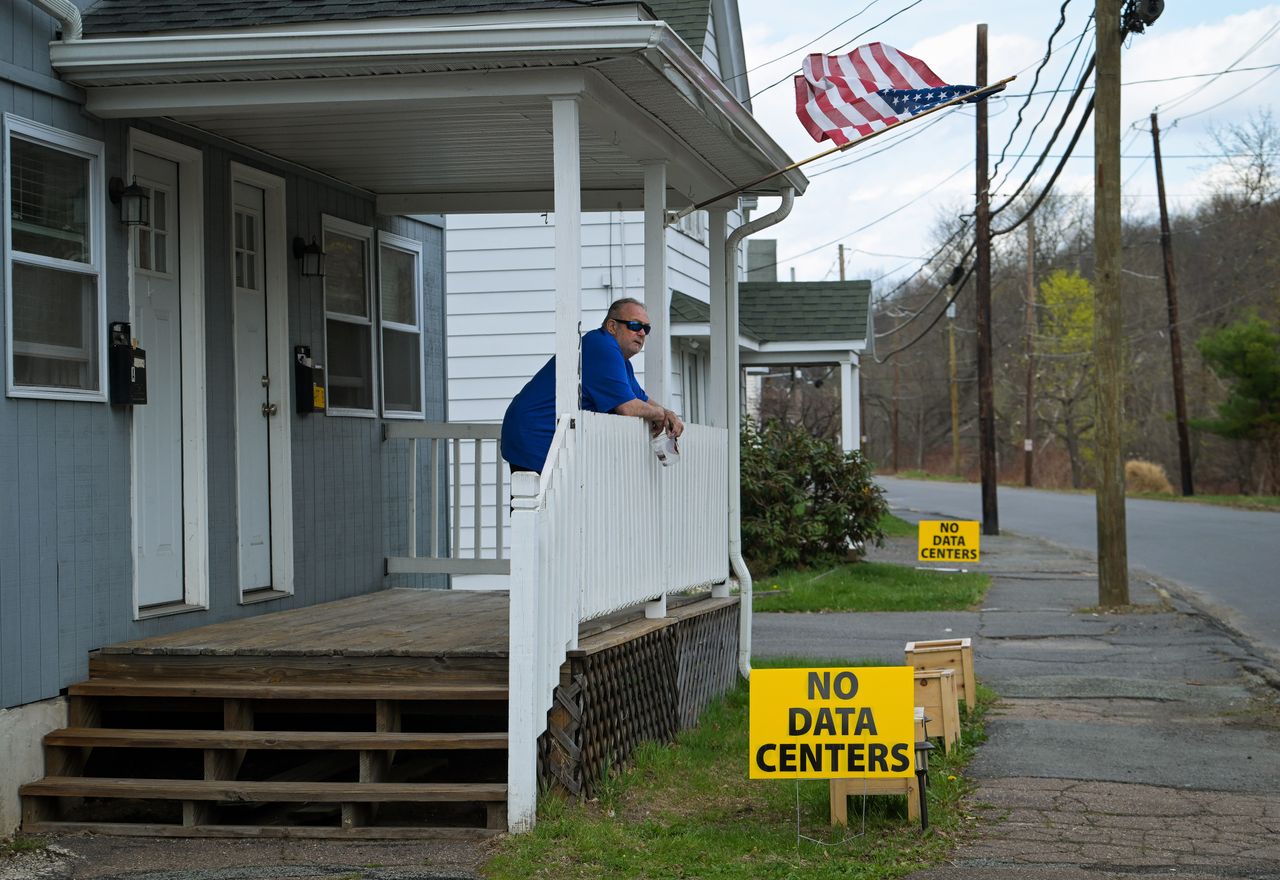
A group of Pennsylvania residents spent a two-hour town hall lambasting Gov. Josh Shapiro over his support for data center projects, claiming residents' concerns are being ignored and the governor is losing his support base. According to Inside Climate News, 20 speakers expressed their frustration about the threats that these projects pose to the communities surrounding them. Some of the raised issues include increasing electricity prices, massive water consumption, and noise pollution, which are some of the effects that have been widely reported around the country.
Among them is Kelly Donia, who lives about 20 miles northeast of Philadelphia in East Whiteland Township and identifies as a registered Democrat. She’s a vocal critic of the governor, saying that he has lost her support because of his part in the data center boom. “He is losing his base,” Donia told Inside Climate. “I want him to hear this loud and freaking clear. I’m going to make it my job to make sure that man never gets elected again for any office.” Another said the issue was about "public trust and transparency," claiming that too many Americans "are finding out about these projects after decisions have been made." Jennifer Dusart of Mechanicsburg went on to say concerned residents "have been bulldozed over."
Shapiro does support data center developments within the state of Pennsylvania, but says he did not give them free rein to do anything they want. “If companies want the Commonwealth’s full support — including access to tax credits and faster permitting — they must meet strict expectations around transparency, environmental protection, and community impact,” spokesperson Rosie Lapowsky told the publication in a statement. “This is about setting a higher bar for projects, not lowering it, and ensuring development happens responsibly and in a way that benefits Pennsylvanians.”
The state government has taken concrete steps to insulate its citizens from increasing utility costs brought about by the massive infrastructure investments needed to deliver the power that data centers demand. The state’s Public Utility Commission (PUC) has released guidance on how utility providers should deal with high-demand users like data centers. From this, PECO, the electricity provider for Philadelphia and other parts of southeast Pennsylvania, said that it put agreements in place with data center providers that completely pass the burden of upgrading their high-voltage lines and other long-distance transmission infrastructure to these large customers. This ensures that smaller users do not have to pay for these upgrades through higher electricity bills.
Still, this isn’t enough for many Pennsylvanians. State Representative Jamie Walsh (R.-Luzerne County) said that one of the reasons the state has been experiencing an inflow of data center investments is because of a 2021 law that gave tax breaks to their developers. As a way to help slow down the breakneck speed of proposed data centers in the state, State Senator Katie Muth (D.-Philadelphia) said that they want to introduce a bill that will put a three-year moratorium on all projects in the state. This would be a major decision if passed into law, making Pennsylvania join the numerous other smaller jurisdictions that have already passed a temporary ban.
The tension within the state is mirrored all across the country as residents and communities push back against data center projects. Some AI hyperscalers are trying to reassure people that they will take steps so that they will have limited to no effects on the environment around these sites. However, this is too little, too late for many, as the negative effects of other projects like these have already been widely reported since last year.
In fact, many issues continue to surface, like this one data center in Fayette County, Georgia, which used up 29 million gallons of water in 15 months, resulting in low pressure for everyone else. We’ve also seen recent complaints about noise pollution, especially projects that were built in close proximity to homes and public infrastructure.
Shapiro's balancing act is trying to ensure that the state enjoys the huge boon that data centers could have on Pennsylvania’s balance sheet while ensuring that the interests of the people are still met. But as people become more aware of the risks that data centers pose to their way of life, many critics say that he’s not doing enough.