Get all your news in one place.
100's of premium titles.
One app.
Start reading
The Guardian - AU
The Guardian - AU
National
Peter Greste

Pauline Hanson has knocked another brick out of our creaky political system. It’s not good for anybody

Australian Senator and One Nation leader Pauline Hanson
In an instant, Pauline Hanson has wiped out the neutral position that journalists so jealously guard, Peter Greste writes. Photograph: Hollie Adams/Reuters

Democracy’s lifeblood is information. But like any bloodstream, the more gunk that flows through it, the less healthy the system. For public debate to work, we all need reliable information grounded in facts and ethics, and the way we’ve done that for almost two centuries is through good journalism.

The system isn’t always perfect – and sometimes it can look downright unedifying – but it has generally helped deliver one of the world’s most stable and successful political systems. We mess with it at our peril.
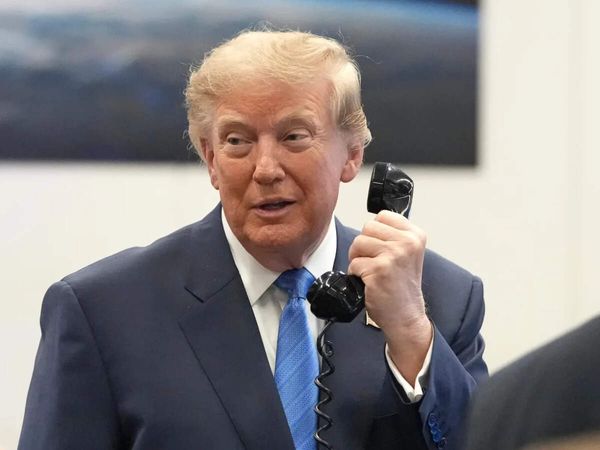
For the most part, social media just doesn’t cut it. Nor do the media releases and videos published by our politicians. It is important that we hear from them, of course, but the whole point of having journalists in the room is to interrogate, challenge and question those statements.

If that sounds obvious, Pauline Hanson seems to have missed the memo.

Sign up for the Breaking News Australia email

At the event to launch her party’s campaign for the Victorian state election, reporters she deemed “unfriendly” were stopped from getting in.

“The ABC were denied entry into here, and the Guardian,” she said.

“I’m not putting up with their rubbish. I’m not putting up with their spin, their lies whatsoever.” Her staff also stopped a journalist from the Age.

This should not come as a surprise. In her speech to the National Press Club in June, the One Nation leader warned she would bar media outlets she didn’t like, and singled out the ABC, the Guardian and SBS. Earlier this year, ABC journalists were removed from a One Nation campaign event in the Farrer byelection.

But if she has a problem with the media, there are mechanisms for complaint. The Australian Press Council oversees print publications, while the Australian Media and Communications Authority handles broadcasters (both radio and TV). The ABC has its own ombudsman, and the Guardian has its own dedicated readers’ editor.

All those institutions have clear sets of standards and ethics designed to hold news organisations within the bounds of responsible journalism. All have been criticised for being weak and ineffectual, but they remain the port of call for complaints about ethical breaches. In each case, the regulators measure complaints against their codes, and if a story has fallen short, they exercise their powers of sanction.

Let the regulators do their job. By deciding who gets to ask questions and who is barred, Hanson is claiming that power for herself, and in a world already struggling with trust, that is indisputably bad for democracy.

But there is an additional problem. Picking and choosing between news outlets and journalists also poses serious challenges for all the journalists covering One Nation. If Hanson is deciding between those she likes and those she doesn’t, between publications branded “friendly” and those marked “hostile”, between “good media” and “bad”, it risks tarnishing those who are allowed inside the One Nation tent as being on “their side”. In an instant, she has wiped out the neutral position that journalists so jealously guard.

This is not to suggest those who remain “in the tent” are compromised, but it creates an awkward image for the media outlets who continue to cover her events. They are, after all, the ones permitted through the door.

It also creates an incentive to keep delivering soft stories. That might have been Hanson’s intention, but it doesn’t make for robust scrutiny of her policies or her party, and it certainly doesn’t help public debate.

As for those journalists who’ve been shut out, if they are ever allowed back in, there will always be questions around whether they got permission by ingratiating themselves, or whether One Nation recognised its mistake.

Either way, by upending the independent democratic role that journalists are supposed to occupy, Hanson has knocked another brick out of our creaky system, and that can’t be good for anybody.

  • Peter Greste is professor of journalism at Macquarie University and the executive director of the Alliance for Journalists’ Freedom

Sign up to read this article
Read news from 100's of titles, curated specifically for you.
Already a member? Sign in here
Related Stories
Top stories on inkl right now
One subscription that gives you access to news from hundreds of sites
Already a member? Sign in here
Our Picks
Fourteen days free
Download the app
One app. One membership.
100+ trusted global sources.