Get all your news in one place.
100's of premium titles.
One app.
Start reading
The Economic Times
The Economic Times

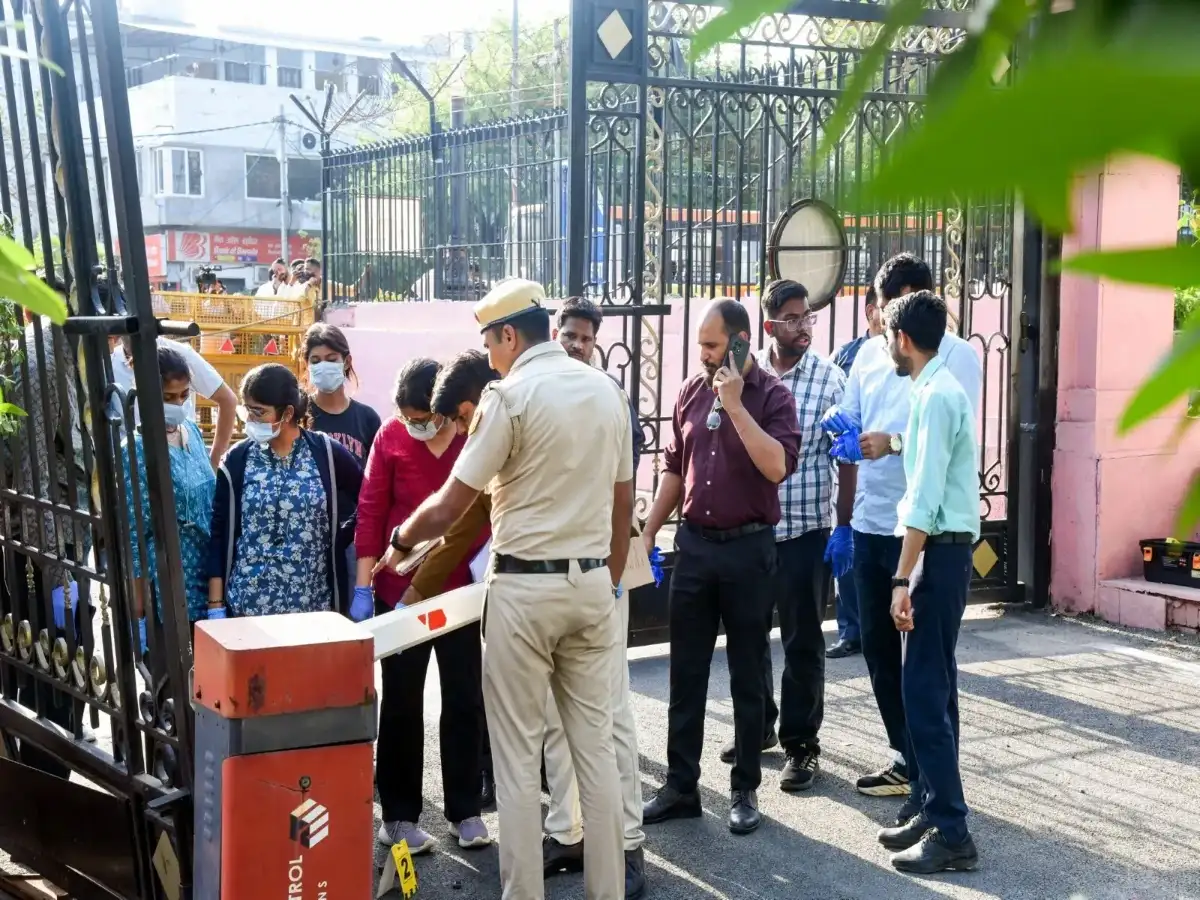
Parliament Breach Case: Delhi Police file fourth chargesheet under UAPA, call it 'terrorist act'

More than two years after the dramatic breach of Parliament security that sent shockwaves through the political establishment, the Delhi Police Special Cell filed another massive 13,000-page supplementary chargesheet in the case on Saturday. The fourth chargesheet in the case invoked stringent provisions of the Unlawful Activities (Prevention) Act (UAPA) against the accused persons.

Filed before Additional Sessions Judge Amit Bansal, it accuses the alleged conspirators — Manoranjan D, Sagar Sharma, Amol Shinde, Neelam Azad, Lalit Jha and Mahesh Kumawat — of offences including terrorist acts, criminal conspiracy, destruction of evidence, provoking riots, obstructing public servants from carrying out official duties and other offences under the UAPA framework.
Also Read | Parliament security breach chargesheet: Accused wanted to discredit Indian democracy, get global attention

Investigators have argued that the incident went far beyond a symbolic protest and was aimed at creating panic inside one of the country’s most heavily secured institutions.

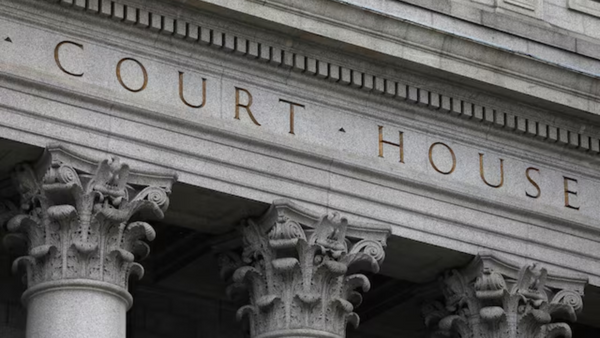
The court took the supplementary chargesheet on record and listed the matter for further proceedings on May 29.

The judge also directed that a hard copy of the chargesheet be supplied to the counsel representing accused Neelam Ranoliya and Amol Dhanraj, after the defence objected to the filing of the supplementary chargesheet at a stage when lengthy arguments on framing of charges are already underway.

Also Read | Parliament security breach row: Delhi High Court grants bail to accused Neelam Azad, Mahesh Kumawat

According to court proceedings, Delhi Police informed the court that copies of the supplementary chargesheet had already been supplied to all accused and their lawyers through pen drives because of the enormous volume of documents involved in the case.

The latest supplementary chargesheet is believed to contain additional forensic material, digital evidence, witness testimonies and details linked to the alleged conspiracy behind the attack.

The December 2023 security breach had triggered nationwide outrage after two intruders jumped into the Lok Sabha chamber from the visitors’ gallery during Zero Hour, releasing coloured smoke canisters and raising slogans before being overpowered by MPs and security personnel.

The breach occurred on December 13, the anniversary of the 2001 Parliament terror attack, amplifying concerns over security preparedness inside the new Parliament building.

Conspiracy planned over months, say investigators

Investigators claimed the group held multiple meetings in Mysuru, Gurugram and Delhi to finalise their plans, discuss logistics and decide on the method of execution. The accused allegedly used encrypted messaging platforms to communicate and discussed using smoke canisters and protective gel while carrying out the act.

Police sources earlier told PTI that the accused wanted to draw immediate national and international attention by targeting Parliament, which investigators described as “the very symbol of democracy”.

The breach unfolded in a coordinated manner.

While two accused, Sagar Sharma and Manoranjan D, entered the Lok Sabha chamber and released yellow smoke from canisters, two others sprayed coloured smoke outside Parliament premises while shouting slogans against “dictatorship”.

All four were detained shortly after the incident, while two more accused were arrested in the following days.

The incident had sparked uproar in Parliament and triggered sharp political exchanges between the government and opposition parties over alleged lapses in security arrangements. Several MPs were seen physically restraining the intruders before security personnel intervened.

The Special Cell had earlier maintained before the court that the act was designed to “terrorise” lawmakers and disrupt parliamentary functioning.

(With ANI inputs)

According to details that emerged during the investigation, the accused allegedly met through social media platforms and spent nearly two years planning the breach before executing it inside and outside Parliament.
Sign up to read this article
Read news from 100's of titles, curated specifically for you.
Already a member? Sign in here
Related Stories
Top stories on inkl right now
One subscription that gives you access to news from hundreds of sites
Already a member? Sign in here
Our Picks
Fourteen days free
Download the app
One app. One membership.
100+ trusted global sources.