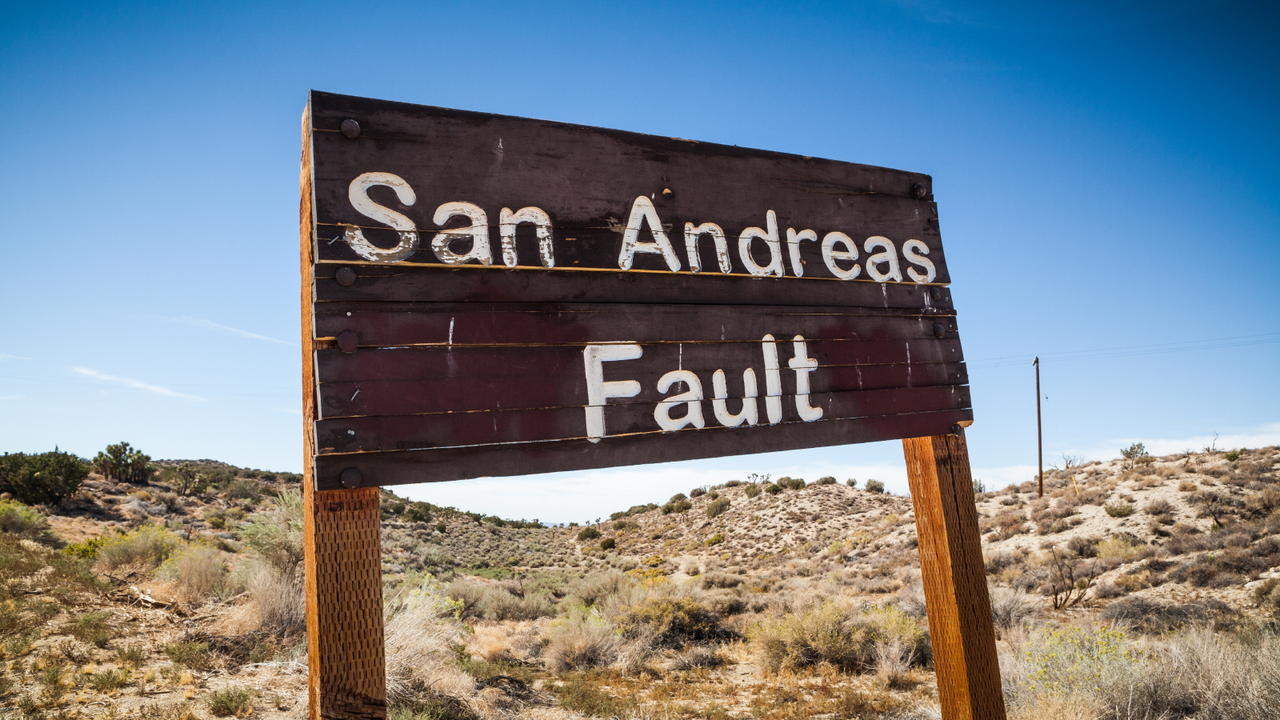
Predicting earthquakes before they happen is currently impossible, but scientists are edging closer and closer with new and innovative ways to monitor movements in Earth's crust. In this excerpt from "When Worlds Quake: The Quest to Understand the Interior of Earth and Beyond" (Princeton University Press, 2026), author Hrvoje Tkalčić, the head of geophysics at the Australian National University, delves into the reasons why earthquake prediction is so tricky, looking at the "Parkfield Experiment," where scientists waited nearly 20 years for an earthquake on the San Andreas Fault to strike.
You can often read rude and even vulgar comments under online newspaper articles about the purpose of the seismological profession when people in their post-earthquake trauma realize that seismologists don't forecast like meteorologists do, such as forecast hail or tornadoes with high accuracy.