Get all your news in one place.
100’s of premium titles.
One app.
Start reading
The Times of India
The Times of India
National
Sumati Yengkhom | TNN

Pandemic after-effect: Covid cases on wane but sleep cycle yet to return to old normal

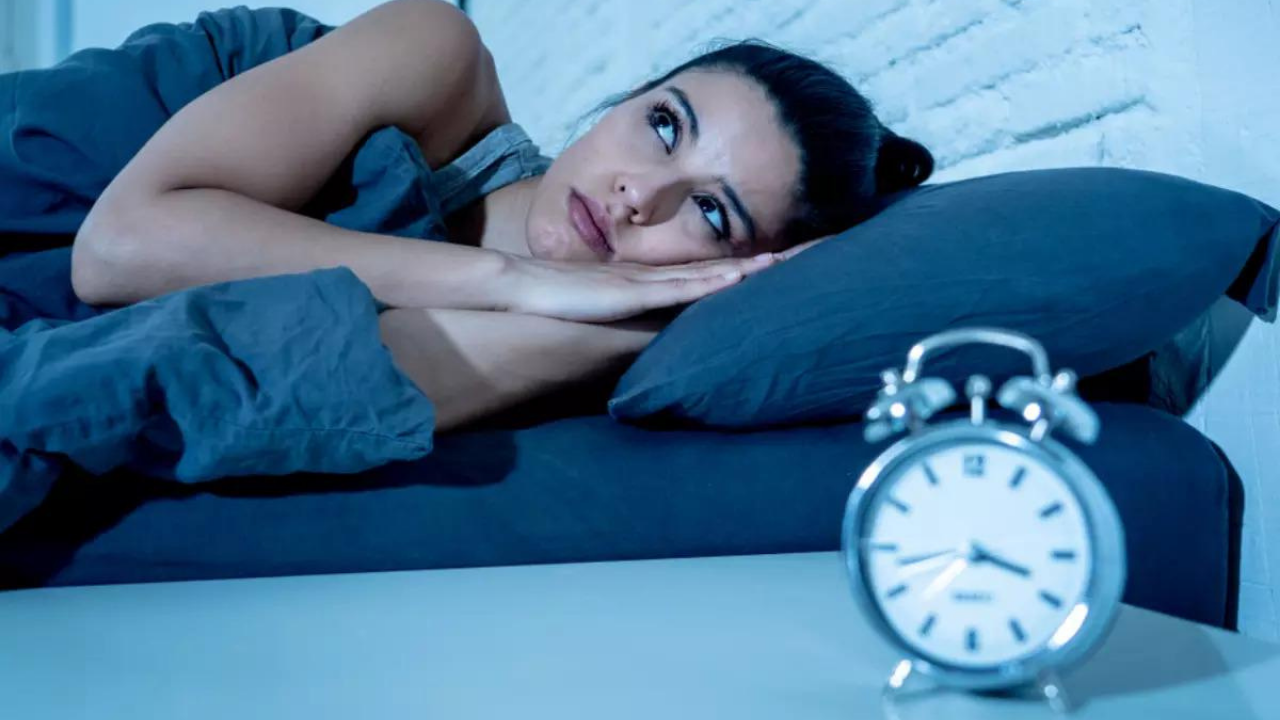
KOLKATA: The pandemic has robbed people of their sleep. And it is not only people recovering from Covid or those who have recovered from the infection who are suffering from sleep deprivation but also those who did not get the infection have been afflicted with sleeplessness. Even though the Covid surge has retreated, people are still struggling to get a sound sleep, which, doctors said on Thursday — a day ahead of World Sleep Day — was an issue of health concern.

“When the pandemic began, people had to stay indoors. Their circadian rhythm that regulates the sleep-wake cycle got deranged. Even as people were getting used to that cycle to a certain extent, reopening of offices and schools will now have an impact on sleep,” said Sourav Das, sleep medicine consultant with Somnos Sleep Clinic.

According to Das, sunlight exposure is one of the controlling factors for sound sleep, which work from home and the lockdown had denied to most. Another factor that has caused sleep disorder in many is the increased screen time, which is true for adults as well as the kids. With no outdoor activity, people would spend their leisure time watching television or movies on the laptop or the mobile phone.

“These digital devices emit what is called the blue light. And when people get glued to these devices for hours, their sleep is bound to get disturbed, bringing more serious consequences later,” said Arjun Dasgupta, ENT surgeon at CMRI.

Doctors said that the blue light disrupts the secretion of melatonin, a hormone that is vital for sound sleep.

Many had lost jobs and their loved ones during the pandemic, inflicting anxiety, stress and uncertainty that have snatched sound sleep from many. Adding to it is the lack of physical activity and changed eating habits pushing people to develop obesity.

“More people are being diagnosed with sleep apnea and an increased number of people are coming in with symptoms of sleep deprivation, If these problems call for medical attention as long-term consequences include metabolic changes. There are possibilities of heart problems and stroke in the long run,” said Uttam Agarwal, ENT surgeon at Belle Vue Clinic.

According to Arnab Bera, consultant pulmonologist at Medica, a person with quality sleep has less chance of catching an infection. “Mental function of a human depends on sleep. A sleep-deprived individual has chances of having depression — and even suicidal tendency — and they will have poor anger control,” said Bera.

Sign up to read this article
Read news from 100’s of titles, curated specifically for you.
Already a member? Sign in here
Related Stories
Top stories on inkl right now
One subscription that gives you access to news from hundreds of sites
Already a member? Sign in here
Our Picks
Fourteen days free
Download the app
One app. One membership.
100+ trusted global sources.