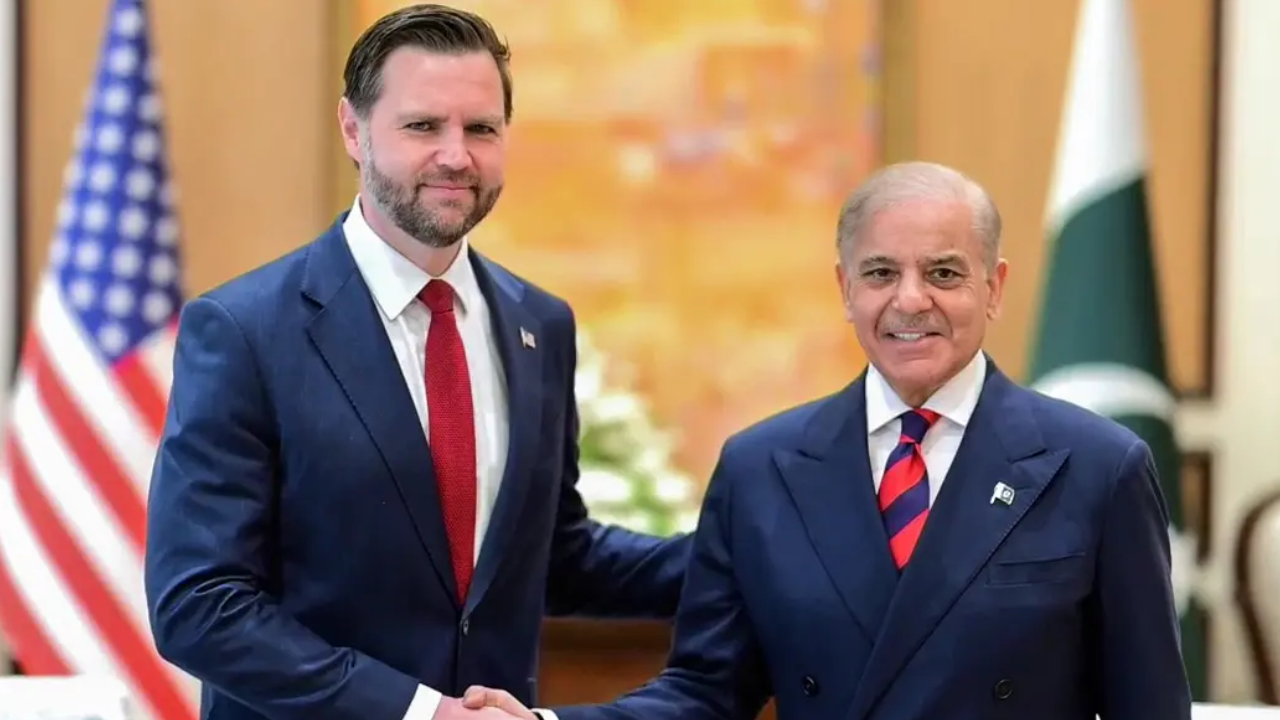
Pakistan on Thursday said that no dates have been decided for the second round of talks between the US and Iran, even as efforts continue to sustain dialogue between the two sides.
Foreign office spokesperson Tahir Andrabi said in response to a query that “no dates have been set as yet”, as he avoided rejecting the possibility of the second round of talks.
When asked about the arrival and composition of the delegations, he said, "Who will come, how large the delegation will be, who will stay, and who will leave — this is for the parties to decide.”
“The details and information of the negotiations that we had were entrusted to us by the negotiating parties,” he added.
He also said that the nuclear issue is among the subjects being discussed by the countries. “We will not comment on the positions of Tehran and the parties involved in the negotiations. This is part of the parties’ trust in us,” Andrabi said, as he asked the media to refrain from speculations.
The spokesperson noted that the talks were ongoing with a high level of trust and "secrecy." “It is essential for us to keep the negotiations confidential,” he added.
He also said that peace in Lebanon is essential for the peace talks.
He added that the Islamabad talks actually went on for 21 hours, while the overall process continued for about 30 hours “if we count movement of delegations and momentary breaks for meals and coffee”. “As such, the entire negotiation process was intensive and extensive, both in terms of scope and timelines,” he said.
The US and Iran held rare direct talks in Pakistan over the weekend aimed at ending their conflict, but the talks ended early Sunday without any agreement. US Vice President JD Vance, who led the American delegation, said the talks failed to reach a deal, citing Tehran not forgoing its nuclear programme as one of the key sticking points.
Iran, however, said that the Islamabad talks failed due to "excessive demands" made by the American side. Ghalibaf, who led the Iranian delegation in marathon peace talks, said that his team raised "forward-looking initiatives, but the opposite side ultimately failed to win the trust of the Iranian delegation in this round of negotiations.”