Get all your news in one place.
100's of premium titles.
One app.
Start reading
The Conversation
The Conversation
Vincent Hare, Senior Lecturer, University of Cape Town

Oxygen atoms in 15-million-year-old giant eggshells reveal how plants reacted to a hotter Earth – study

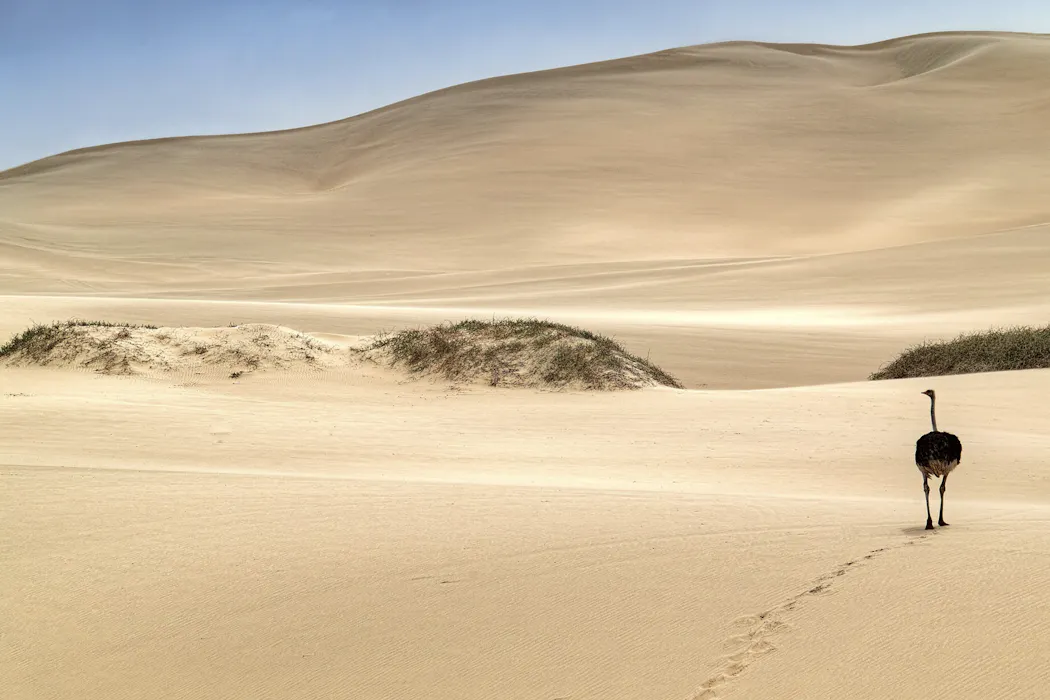
The modern-day Namib desert has been arid for at least 15 million years, when the extinct relatives of ostriches laid their eggs, which are like time capsules of ancient air. JP Koch/Red Dune Safaris

Some periods in Earth history are so different from our own that they may as well belong to another planet. Many people are interested in the age of dinosaurs, or the Ice Ages, but it is an intermediate world, the Miocene Epoch – a sort of “in-between” world, geologically speaking: less recent than mammoths and stone tools, but not the deep past of dinosaurs – that many scientists find interesting.

By the start of the Miocene, the dinosaurs had been dead for 40 million years. The continents were more or less in their current positions, yet our hominin ancestors had not ventured down from the trees.

Sign up to read this article
Read news from 100's of titles, curated specifically for you.
Already a member? Sign in here
Related Stories
Top stories on inkl right now
One subscription that gives you access to news from hundreds of sites
Already a member? Sign in here
Our Picks
Fourteen days free
Download the app
One app. One membership.
100+ trusted global sources.