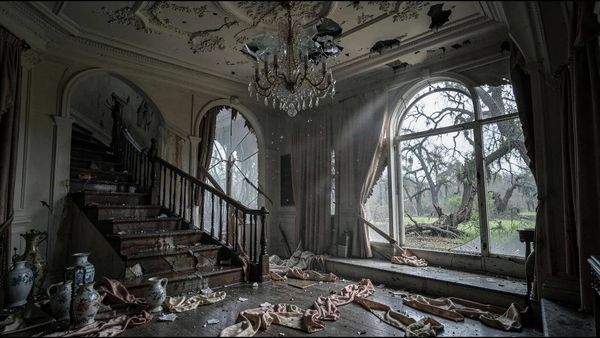
My mother-in-law and her boyfriend recently sold their aging home. They lived in a historic house in North Carolina. While it was beautiful, there was a lot of work that needed to be done on the home. As they got older, they just didn’t have the energy or time to keep up with it. So, they downsized. However, as they went through the inspection process, they discovered there were a number of other things they weren’t aware of in the house that needed some work. That said, here are five issues that may be lurking in your home if it was built before the 1990s.

1. Outdated Electrical Wiring
Many older homes still rely on knob-and-tube or aluminum wiring, both of which can be serious fire hazards. These systems weren’t designed to handle today’s power-hungry appliances and electronics. If your lights flicker, outlets feel warm, or breakers trip frequently, it’s time to call an electrician. Upgrading your electrical panel and wiring isn’t cheap, but it’s a critical investment in safety and insurability. In fact, some insurers won’t cover homes with outdated wiring unless it’s replaced.
2. Foundation Cracks and Settling
Over time, even the most solid foundations can shift or crack due to soil movement, water damage, or tree roots. You might notice uneven floors, sticking doors, or visible cracks in the walls or basement. These signs often point to foundation issues that can worsen if ignored. Left unchecked, foundation problems can lead to structural instability and costly repairs. A structural engineer can assess the damage and recommend solutions like piering or slabjacking.
3. Hidden Plumbing Problems
Galvanized steel pipes were once the norm, but they corrode over time and restrict water flow. You might not notice a problem until you experience low water pressure, rusty water, or a surprise leak. These old pipes are also more prone to bursting, especially in cold weather. Replacing outdated plumbing with copper or PEX piping is a smart move that can prevent water damage and improve water quality. It’s a big job, but it pays off in peace of mind and long-term savings.
4. Inefficient Windows and Insulation
Drafty windows and poor insulation are common in homes built before energy efficiency was a priority. You might be losing heat in the winter and cool air in the summer, along with your hard-earned money. Single-pane windows and minimal attic insulation can make your HVAC system work overtime. Upgrading to double-pane windows and adding insulation can slash your energy bills and boost comfort. Plus, energy-efficient upgrades may qualify for tax credits or rebates.
5. Lead Paint and Asbestos
If your home was built before 1978, there’s a good chance it contains lead paint. Asbestos was also commonly used in insulation, floor tiles, and ceiling materials. Both substances are hazardous to your health, especially during renovations. Disturbing them without proper precautions can release toxic particles into the air. Hire certified professionals to test and safely remove these materials if needed.
The Charm Is Worth It But Pay Attention
Owning an older home is like owning a piece of history, but it comes with responsibilities. The key is to stay proactive and address issues before they become emergencies. Regular inspections and preventive maintenance go a long way. Don’t let hidden problems drain your budget or compromise your safety. With a little foresight, you can enjoy the character of your home without the chaos.
What surprises have you uncovered in your older home? Share your stories in the comments!
What to Read Next
5 Quirky (But Lovable) Things About Older Cars
6 Warning Signs Your Home Plumbing System Is Near Failure
Home Renovation Costs Are Exploding And Men Are Adjusting Their Plans
DIY Danger: 10 Home Fixes That Are Actually Illegal
How Preventative Home Care Can Save You Big in the Long Run
The post Own an Older Home? These 5 Issues Are Lurking appeared first on Clever Dude Personal Finance & Money.