Get all your news in one place.
100’s of premium titles.
One app.
Start reading
Tom’s Guide
Tom’s Guide
Technology
Camilla Sharman

Should you drip your faucets 24/7 to prevent frozen pipes? An expert reveals what you need to know

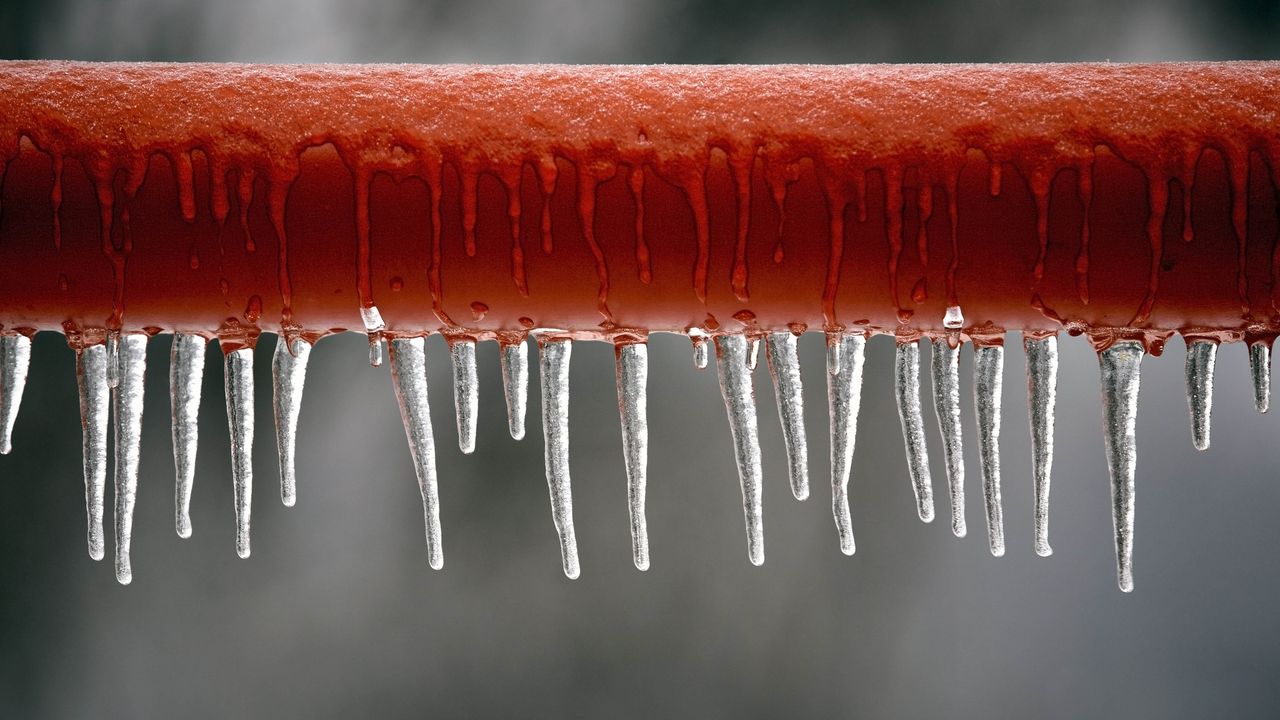
Frozen water icicles on brown pipe.

When bad weather hits and temperatures stay low for an extended period, you may have to deal with the frustration and inconvenience of frozen pipes. Not only are you without running water, but there's the added worry that they may burst.

And this weekend looks especially frigid, with 100 million Americans on alert for dangerously cold weather across the East.
While there are steps you can take to prevent pipes from freezing, there are several ways you can help them thaw without waiting for temperatures to rise. And one of the most popular methods is to leave your taps dripping.

Keeping your faucets open can help relieve pressure on your pipes and reduce the risk of a rupture, but you may be wondering: should I keep my faucets open 24/7? I asked a professional, and he recommended erring on the side of caution when dealing with extreme weather.

Do you need to drip your faucets 24/7?

(Image credit: Shutterstock)

“During extreme temperatures, it’s a good idea to allow a constant drip from the faucet so water is always flowing"

Chuck Pound, plumbing expert and supervisor at American Home Shield

According to experts, you should keep your faucets on throughout the day and night.

“During extreme temperatures, it’s a good idea to allow a constant drip from the faucet so water is always flowing," explains Chuck Pound, plumbing expert and supervisor at American Home Shield.

"This keeps water moving in your pipes and prevents pressure from building up; reducing the risk of frozen —or even burst pipes.”

While it may seem tempting to turn the faucets off when you turn in for the night, especially if the annoying dripping sound keeps you awake, his advice is to leave the taps dripping where possible.

Should every faucet be turned on?

The good news is that you don’t need to keep every faucet turned on to relieve pressure on your pipes. Instead, you should focus on specific areas of your home.

“Particular attention should be paid to faucets with piping on exterior walls, and fixtures furthest away from the shut-off valve on your main water waterline,” advises Pound.

He also recommends being able to locate and identify your home’s main water shut-off valve in case of emergencies.

How much of a drip is enough?

(Image credit: Shutterstock)

While you don’t need to fully open your faucets, you might be wondering how much is enough for it to make a difference without wasting water. Luckily, according to Pound, you won't have to make a big splash. “You want a fast drip — about 1 to 3 seconds apart,” says Pound.

However, depending on weather severity, this amount may increase. “When there is an extreme, deep freeze, increasing to a small thin stream of water is ideal,” Pound advises.

When do you need to drip your faucets?

Monitor the weather forecast to check when the temperature starts to drop. A warning sign that your pipes are at risk of freezing is when the temperature reaches 32°F.

But Chuck recommends taking action when it drops lower. “Plan to drip your faucets when the forecast calls for temperatures to drop into the 20s or to be below freezing for long periods of time, for example, longer than a few hours.”


Follow Tom's Guide on Google News and add us as a preferred source to get our up-to-date news, analysis, and reviews in your feeds.


More from Tom's Guide

Sign up to read this article
Read news from 100’s of titles, curated specifically for you.
Already a member? Sign in here
Related Stories
Top stories on inkl right now
One subscription that gives you access to news from hundreds of sites
Already a member? Sign in here
Our Picks
Fourteen days free
Download the app
One app. One membership.
100+ trusted global sources.