
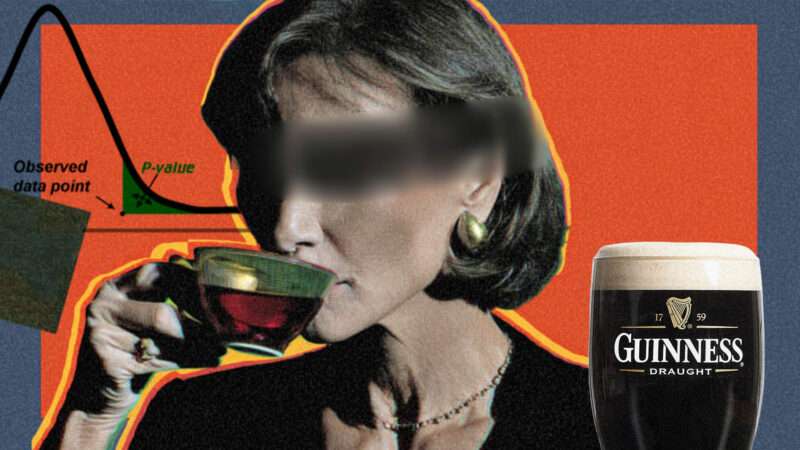
A century ago, two oddly domestic puzzles helped set the rules for what modern science treats as "real": a Guinness brewer charged with quality control and a British lady insisting she can taste whether milk or tea was poured first.
Those stories sound quaint, but the machinery they inspired now decides which findings get published, promoted, and believed—and which get waved away as "not significant." Instead of recognizing the limitations of statistical significance, fields including economics and medicine ossified around it, with dire consequences for science. In the 21st century, an obsession with statistical significance led to overprescription of both antidepressant drugs and a headache remedy with lethal side effects. There was another path we could have taken.












