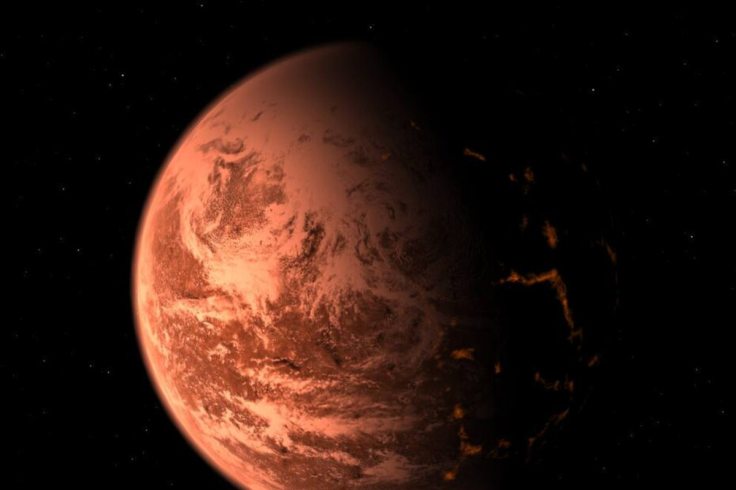
A nearby 'super Earth' in one of the closest star systems to our own appears far more likely to support alien life than first believed, after astronomers sharply downgraded its mass using new data gathered in Texas.
The researchers reanalysed GJ 3378b, an exoplanet discovered in 2024 orbiting a red dwarf star roughly 25 light-years from Earth. When it was first detected, the world seemed to be about five times as massive as our planet, hovering awkwardly on the boundary between a rocky super Earth and a small gas giant. That uncertainty, coupled with fears of crushing atmospheric pressure, kept expectations in check over whether anything resembling life could endure there.