
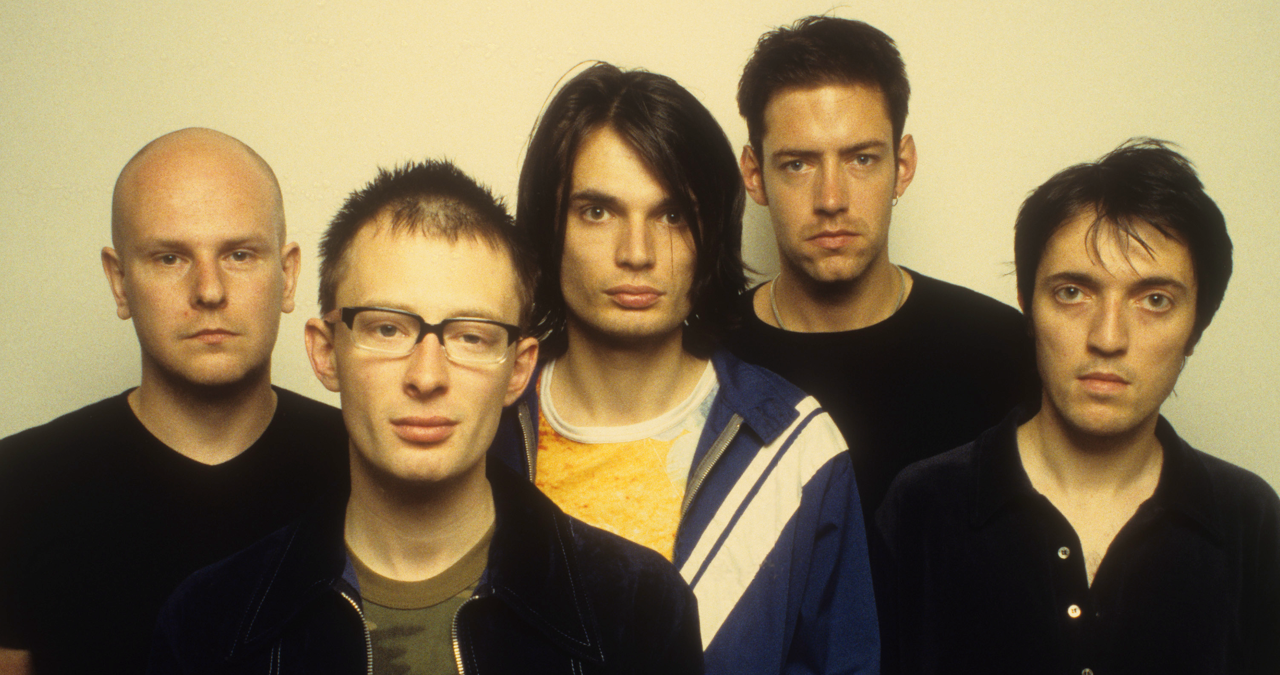
Perennially questing for new sonic frontiers, Radiohead have long been hailed as one of this century’s greatest bands. Their most acclaimed work is consistently held up amongst the likes of The Beatles and Pink Floyd for how often unconventional studio choices could result in some of their most absorbing tracks.
Whether it be hard, unsignposted swings from an introspective tone to one of fiery rage (Paranoid Android), the incorporation of synths, drum machine and tech typically associated with electronic dance music (Everything in its Right Place, 15 Step, Idioteque, Lotus Flower) to leaning into more erratic time signatures (Let Down, 2+2=5, Daydreaming) to prompt feels of instability - Radiohead have long delighted in shunning the orthodox.
But, if you’re reading this and thinking that Radiohead were not alone (and certainly not the first) to break rock’s mould, then you’re quite right. Rock and pop’s ever-flexible boundaries have been re-drawn countless times over the years by myriad artists - Frank Zappa, David Bowie, Yes, Genesis, Rush, Pink Floyd and Talking Heads (from whose songbook Radiohead cribbed their name) to name just a few of the most notable. However, that doesn’t mean that Radiohead’s fearlessness shouldn’t be celebrated - or that one specific example isn't worthy of examination.
Their decision to release an album that swung the band into the electronic domain - Kid A - back in 2000 was a massively risky thing to do at a time when both rock and dance music had more fiercely-held dividing lines. Both of the genres' respective subcultures were vying for their chosen music to be the alternative to the pop confectionery of the day.