As war in Iran unsettles global energy markets, Hungary's Prime Minister Viktor Orbán has raised the country's terror threat level and renewed pressure on Ukraine to allow Russian oil to transit through its territory.
The move comes after a week in which Orbán was largely isolated within the European Union over tensions surrounding the Druzhba pipeline. The conflict in Iran now allows him to recast his position ahead of a domestic political campaign.

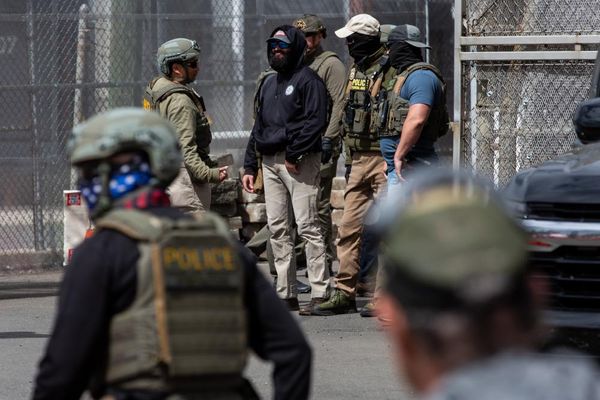
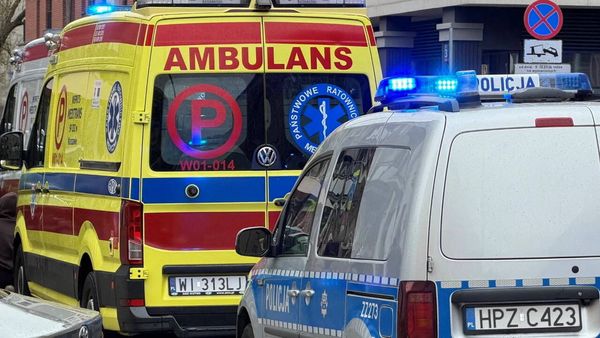
Following reports of Israeli and US strikes on Iranian targets, Orbán convened a national security meeting, after which Hungary raised its terrorist threat alert by one level, citing fears of retaliatory action by the Iranian regime.
"We must expect an increase in the likelihood of terrorist acts throughout Europe, particularly in countries with large migrant populations. Hungary is in a far better position, but we will still raise the terrorist threat level by one level," Orbán said on Saturday.
The Prime Minister also reiterated his call on Ukraine to permit the transit of Russian oil destined for Hungary and Slovakia. The Druzhba pipeline was struck in a Russian air attack at the end of January.
Hungary, Slovakia accuse Kyiv of stalling repairs
Hungary and Slovakia have accused Ukraine of stalling repairs and using the disruption as political leverage. In response, Budapest blocked the EU's €90 billion loan package for Ukraine and withheld support for the latest sanctions package against Russia.
"The conflict is likely to trigger a significant rise in energy prices on world markets. In this situation, it is crucial to end the oil blockade imposed by President Zelenskyy against Hungary. We will therefore maintain the countermeasures introduced against Ukraine in the coming weeks," Orbán said in a video posted to social media.
Hungary has faced sustained criticism within the EU for blocking financial aid to Ukraine. Budapest and Bratislava have established a joint expert group to assess the condition of the Druzhba pipeline.
Ukraine has so far denied access, arguing that repairs would be too dangerous to carry out. Hungary has already deployed soldiers to guard critical energy infrastructure.
"This is a very good opportunity for the ruling party to deepen further the sense of threat within Hungarian society, to argue that Hungary is practically on the verge of being dragged into a war.
The current developments fundamentally threaten Hungary's energy security," said Dániel Hegedűs, deputy director of the Institute for European Politics, speaking to Euronews.
Hegedűs added that Orbán could now position himself again as a defender of the nation and potentially play a more constructive role in the current international environment than he has in recent months.
However, he cautioned that it remained unclear how the conflict would ultimately affect voting intentions.