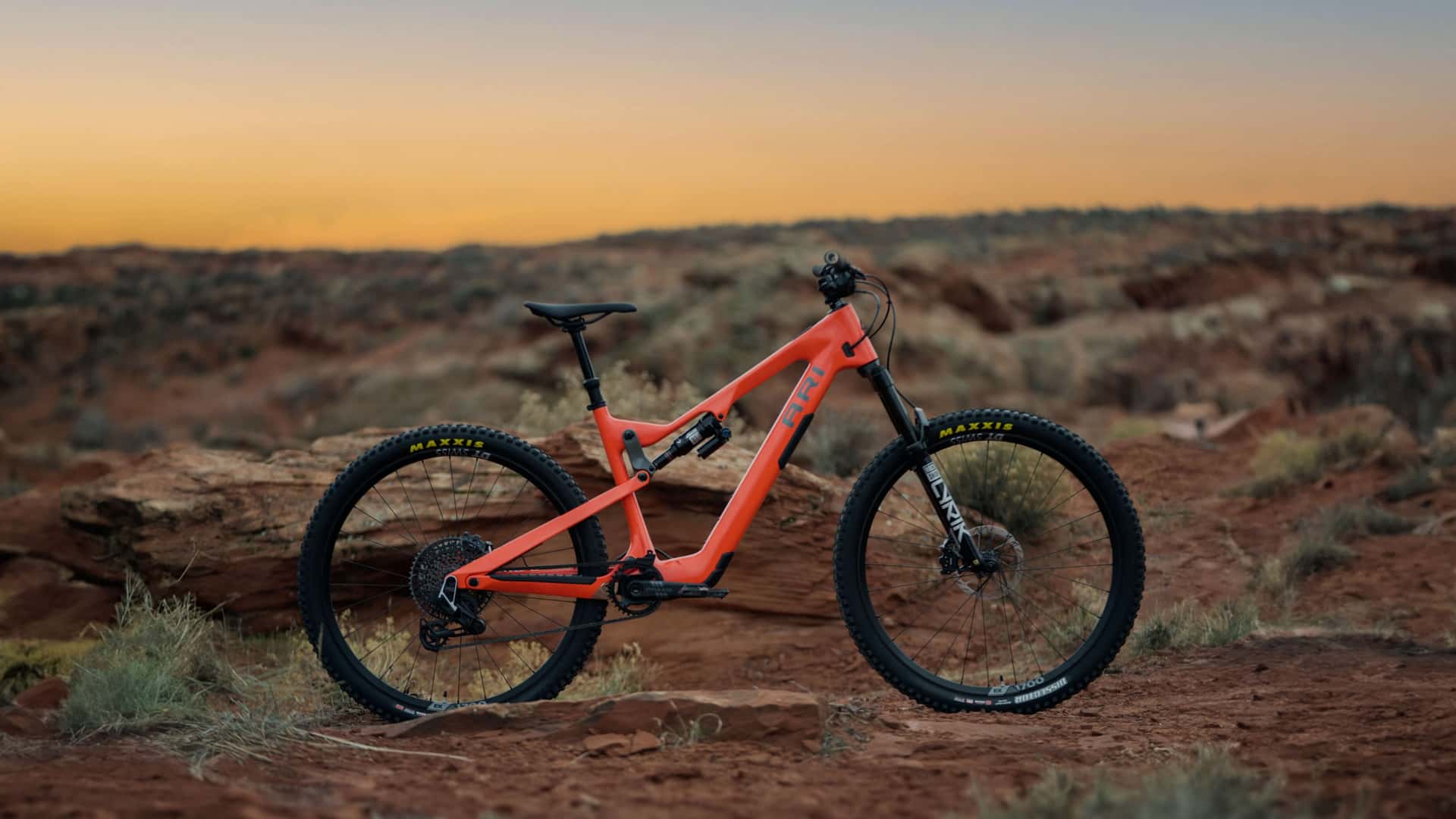
Orange County has an e-bike problem. Or maybe it has an electric motorcycle problem. Or perhaps it has a rider education problem. Depending on which machine, crash, law, or angry neighborhood Facebook post we're talking about, those can be very different things. Yet Orange County's latest attempt to make its streets safer has come up with an impressively simple solution: pay people to hand over their electric two-wheelers, then shred them.
The Orange County District Attorney's Office held what it believes was America's first e-bike buyback program on September 13, borrowing a concept normally associated with firearms. Participants could surrender unwanted electric two-wheelers in exchange for gift cards worth $200 to $1,000. Officials budgeted more than $100,000 for the program and apparently underestimated just how many people had an old e-bike and an appetite for free Target money.
Nearly 1,000 vehicles were reportedly surrendered, filling nine 26-foot U-Haul trucks. The batteries will supposedly be removed and properly disposed of, while the bikes themselves are headed for recycling and shredding. The turnout was so enormous that organizers ran out of gift cards, although some people apparently surrendered their bikes anyway. Orange County DA Todd Spitzer has already floated the possibility of doing another event.
Yes, There's A Real Problem Here
Before we start sharpening the pitchforks, Orange County isn't imagining the underlying issue. Southern California has been grappling with kids riding powerful electric motorcycles on public roads, sometimes on machines capable of speeds approaching those of conventional motorcycles. Authorities have also prosecuted parents accused of knowingly allowing their children to illegally operate them.
And yes, illegal is illegal. If a machine doesn't satisfy California's definition of an electric bicycle and instead qualifies as a motorcycle or moped, then authorities have every reason to enforce the appropriate licensing, registration, equipment, and age requirements. Calling a 50-mile-per-hour electric motorcycle an "e-bike" doesn't magically turn it into a bicycle any more than attaching pedals to a Yamaha R1 turns it into a Schwinn.
But here's where Orange County's buyback gets weird. It wasn't limited to those machines.
The program offered $300 for Class 1 e-bikes, $400 for Class 2 bikes, and $600 for Class 3 bikes. California defines Class 1 bikes as pedal-assist machines where assistance stops at 20 miles per hour. Class 2 bikes can use a throttle, but assistance likewise ends at 20 miles per hour. Class 3 bikes provide assistance while pedaling up to 28 miles per hour.
In other words, Orange County wasn't merely paying people to remove illegal electric motorcycles from circulation. It was also paying them to dispose of perfectly legal bicycles.
Maybe We Need To Remember What An E-Bike Actually Is
That's an important distinction because a Class 1 e-bike isn't some terrifying electric superbike disguised as a bicycle. Its motor helps you pedal, and at 20 miles per hour, that assistance goes away. The electric motor primarily makes acceleration easier, hills less miserable, and longer distances more accessible. It lets someone commute farther without arriving at work looking like they've just completed a Tour de France stage.
20 miles per hour isn't an outrageous speed for a bicycle, either. A reasonably fit cyclist can exceed that under their own power, particularly on flat ground or downhill. Yet we generally don't talk about confiscating road bikes because someone with strong legs can make one go quickly. Adding an electric motor changes how much effort reaching a given speed requires, but it doesn't automatically transform every e-bike into a hooligan machine.
None of this means e-bikes are incapable of hurting anyone. They're bicycles. You can crash one, ride one irresponsibly, ignore traffic laws, hit pedestrians, or make a truly impressive series of bad decisions aboard one. But those are arguments for responsible riding and sensible enforcement, not necessarily arguments for paying people hundreds of dollars to remove otherwise legal transportation from circulation.
Perhaps Education Is Worth More Than A Gift Card
This is where the buyback starts raising a more useful question: what behavior is actually being changed?
If someone surrenders an unused Class 1 commuter that's been collecting dust in their garage, Orange County has technically removed one e-bike from circulation. But has it removed a meaningful safety risk? Meanwhile, a teenager riding an illegally powerful e-moto still presents exactly the same enforcement problem tomorrow morning.
Perhaps the better investment is making sure riders, parents, retailers, motorists, and especially law enforcement understand the difference between an e-bike and an e-motorcycle in the first place.
Teach riders the rules of the road. Make sure parents understand that the 5,000-watt machine they're buying their kid isn't necessarily a bicycle just because it has pedals. Enforce motorcycle laws when something legally qualifies as a motorcycle. And maybe remind drivers that the person commuting on a Class 1 pedal-assist bike has as much reason to be on the road as someone riding an ordinary bicycle.
There's also a bigger cultural problem worth addressing here. Pedal-assist e-bikes aren't primarily about going faster. For many riders, they're about going farther while expending less energy. They can make bicycle commuting practical for older riders, people facing long or hilly journeys, people recovering from injuries, or anyone who simply doesn't want every grocery run to double as a cardio session.
Orange County's buyback doesn't necessarily acknowledge that nuance. Instead, it places a legal 20-mile-per-hour pedal-assist bicycle on the same surrender menu as an illegal electric motorcycle, even while California law very deliberately distinguishes between the two.
Yes, there are legitimate reasons to crack down on illegal e-motos and reckless riding. But if the goal is safer streets, teaching people what an e-bike actually is, how to ride one responsibly, and where the legal line sits might accomplish more than paying them to throw perfectly legal bicycles into a shredder.