
Optical illusions are fascinating mind-twisters that distort reality, and they're not just for entertainment. They provide an unexpected glimpse into how the brain works and, when used frequently, can potentially improve cognitive function.
The brain's lifelong capacity to adapt and generate new connections is essential for preserving cognitive function. Solving optical illusions compels the brain to reconcile conflicting information and promotes neuroplasticity, helping to maintain mental acuity.

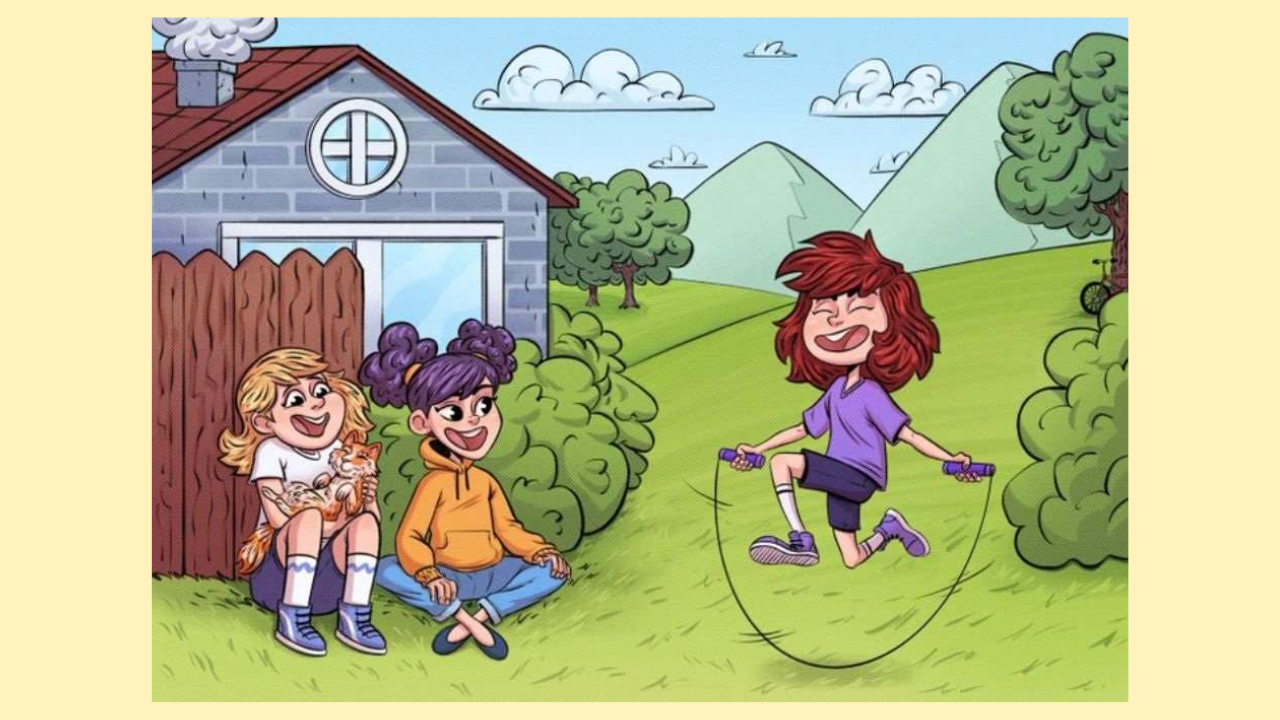
Consider yourself keen-eyed? Can you solve this cunning garden puzzle? Three faces blend in with the surrounding flowers and trees, almost undetectable. They resemble chameleons. If you can locate them all in only 11 seconds, you'll become one of those people whose wits are as sharp as detective flashlights!
Ready to put your abilities to the test? The clock is ticking! Look around the garden, let your thoughts wander, and try to identify the three faces concealed there. Show that you possess both the detective's deduction and the hawk's eyesight.
Is that a sly smile sneaking out from under a blushing pink bloom? Playing peek-a-boo while hiding behind a leaf? Furry eyebrows and beards etched directly into the bark? A mischievous laugh peeking out from behind the verdant shadows?
It takes more than just speed to locate these faces—it takes keen observation as well. Are there things you can see that others cannot? Do you have the eyes of a hawk and are a puzzle master? Your brain earns a gold medal for its visual abilities if you can locate all three in 11 seconds!
If you are still searching for the three secret faces, you are certainly not alone. To find the solution, look below:







