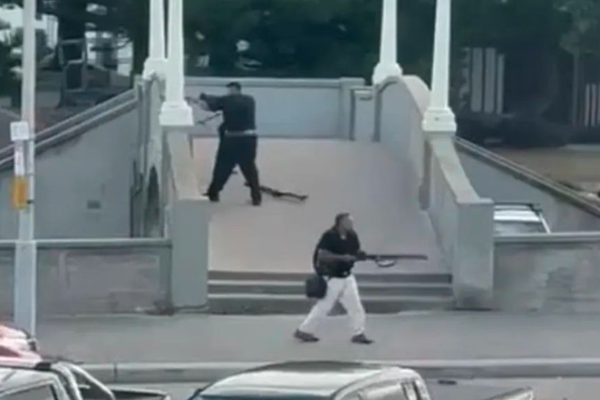
The Opposition will next week introduce a private member’s bill that would criminalise the use of social media to promote or publicise criminal activity. Offenders would face up to two years imprisonment and a two-year ban from social media.
The online regulator would also be given new powers to compel digital platforms to remove the material, under a proposal that has been picked up the leader of the Opposition.
The Albanese government has not seen the bill but is questioning whether the new offence and enforcement powers are needed, as states also move on the issue.
A criminology expert has also cast doubt on the immediate impact of “posting and boasting” laws on the youth crime they target.
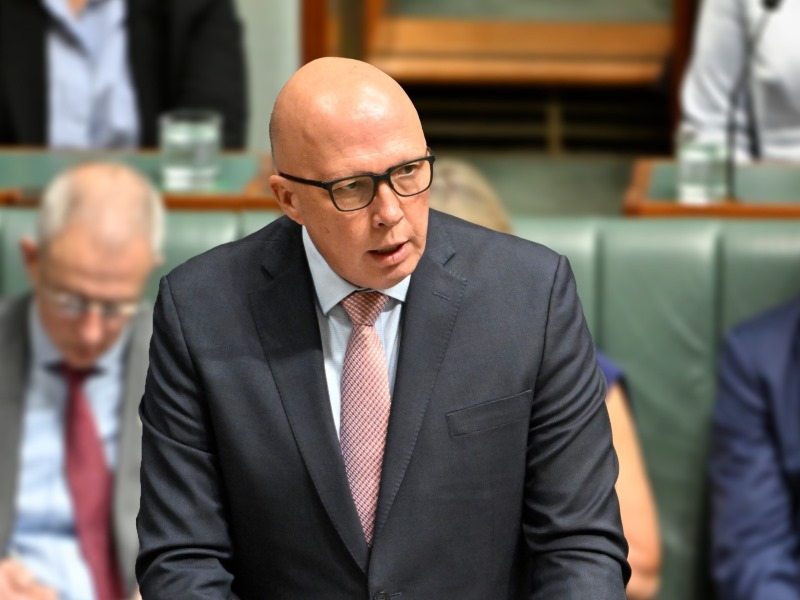
“When I was a policeman, many years ago, you’d go to a break and enter; largely it was somebody breaking in to steal goods or money to fuel a drug habit,” leader of the Opposition Peter Dutton said.
“Today, we know that cars are being stolen, that people’s houses are being broken into to steal the keys because kids get, if they’re part of a gang, or if they’re part of a culture… that wins them great kudos online and it gives them notoriety and it glamorises their crime. So it’s a big part of the motivation.”
The bill will be introduced next week when Parliament resumes. The Albanese government is yet to see it but has questioned the need for a new offence.
“There are existing offences in the Criminal Code that prevent using a carriage service – including online – to menace, harass or cause offence that carry a maximum penalty of 5 years,” a government spokesperson told InnovationAus.com
“Criminal offences are largely a matter for the States and Territories, and we note a number of States have already signalled their intent to act in this area.”
According to the Opposition, the bill will “deal with the increasing use of social media to promote or publicise criminal activity” by making it “an offence to post material depicting violence, drug offences or property offences for the purpose of increasing a person’s notoriety”.
The new offence would be punishable by up to two years’ imprisonment and the Crimes Act would be changed to allow courts to ban offenders using social media for up to two years.
Despite reports of youth crime waves in Queensland, overall crime rates in the state are trending down and the rate of youth offending is falling.
There are exceptions, with increasing overall rates for certain types of crime like assault, rape and shoplifting. Youth rates for certain offences like robbery and break-ins are higher than the general population.
University of Queensland associate professor Renee Zahnow said “posting and boasting” is a problem, but adding more criminal offences is not necessarily the solution to the “really complex” issue of youth crime.
“I don’t think it will stop people putting it [criminal content] up,” she told InnovationAus.com.
“Young people, if they’re stealing a car and they’re going to post it, do they care that there’s legislation that says this is a criminal offence? No, they don’t.
“Because they’re not thinking. Their brains haven’t developed to an extent where they’re thinking through the consequences and the long term consequences or having a criminal offence against their name.”
An overall reduction of the content online could make others less likely to engage in crime, Professor Zahnow said.
But it is difficult to measure and focusing on users’ own social media posting can overlook notoriety from other media sources, like sensational news reports.
“It’s not just about the individual who’s posting about it,” she said.
“It’s about the rest of the community also doing it. And then the traditional media exacerbating that… every night there’s a video footage of someone’s phone or someone CCTV on the news. That they’re replaying and replaying.”
The new proposal follows a Coalition backbencher’s Online Safety Amendment (Breaking Online Notoriety) Bill 2023, which was never brought on for debate last year.
The 2023 bill would have established similar new content removal powers for the eSafety Commissioner but did not include the new Commonwealth offence that is now being proposed.
The eSafety Commissioner already works cooperatively with law enforcement and digital platforms to remove criminal content, but doesn’t have a strict mandate to remove the content.
The NSW government announced earlier this week it will attempt to introduce similar changes as part of tougher bail laws. It would also add a two-year sentences if offenders post their crimes online.
“There’s strong circumstantial evidence provided by NSW Police that this exhibition-like behaviour is encouraging further criminal behaviour,” Premier Chris Minns said.
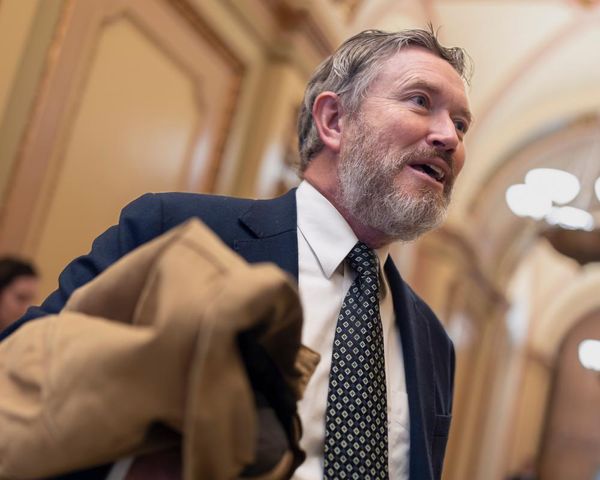
Shadow communications minister David Coleman’s office was approached for comment.