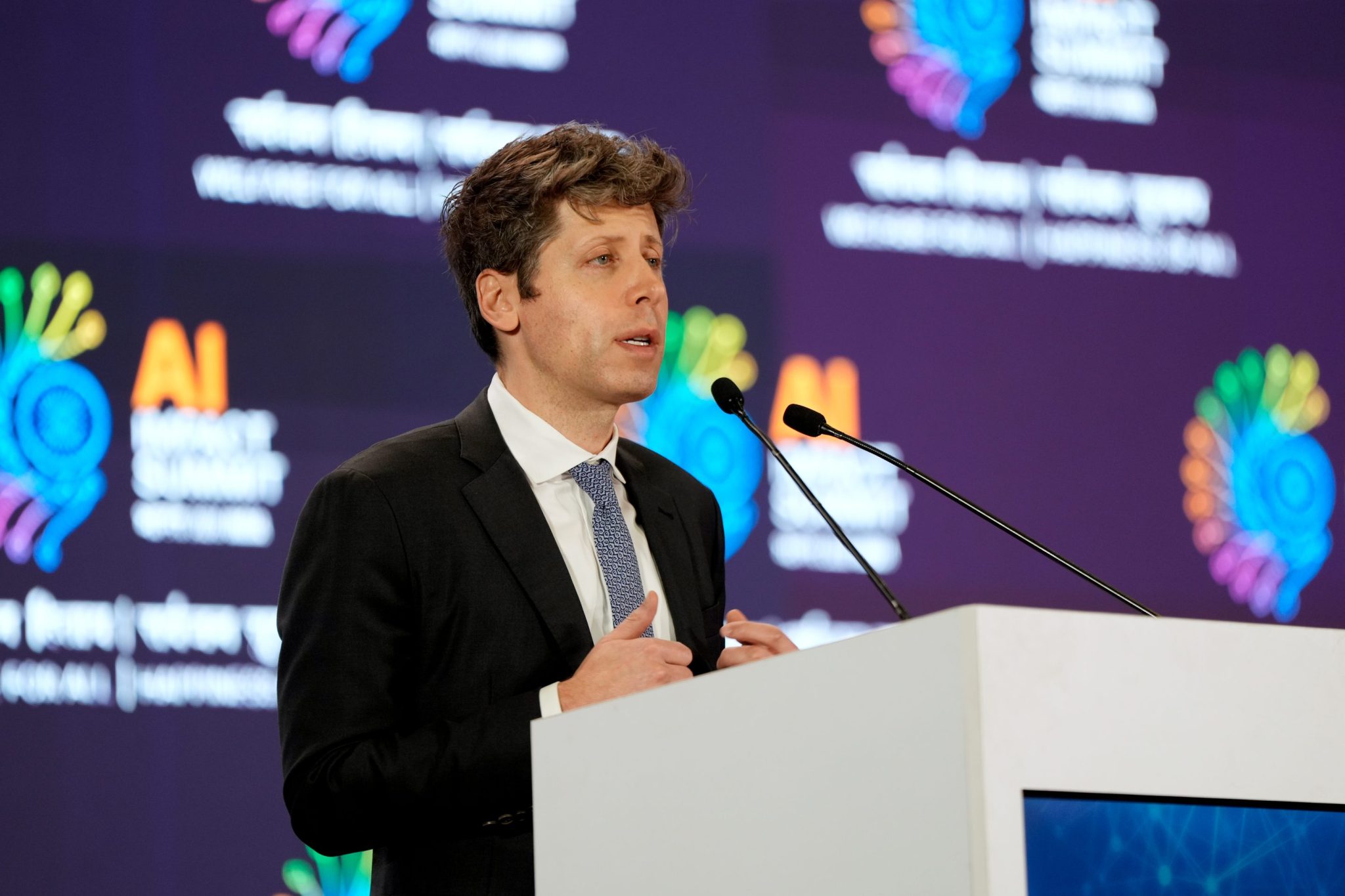
On Friday, just hours after publicly backing rival Anthropic for standing firm against the Pentagon’s demands, OpenAI CEO Sam Altman announced his company had struck its own deal with the Department of Defense. The move came shortly after the U.S. government had taken the highly unusual step of designating Anthropic a “supply-chain risk.”
OpenAI’s decision drew criticism from many AI researchers and tech policy experts, even though OpenAI said it had achieved limitations in its agreement around surveillance of U.S. citizens and lethal autonomous weapons that Anthropic wanted in its contract but which the Pentagon had refused.
One of the key points of contention was over domestic mass surveillance. Experts have long warned that advanced AI is capable of taking scattered, individually innocuous data—like a person’s location, finances, search history—and assembling it into a comprehensive picture of any person’s life, automatically and at scale. Anthropic CEO Dario Amodei has said that this kind of AI-driven mass surveillance presents serious and novel risks to people’s “fundamental liberties” and that “the law has not yet caught up with the rapidly growing capabilities of AI.”