Imagine getting paid $445,000 for a job to think about a problem that may not exist yet. Yes, you read that right. OpenAI has posted a job listing seeking a researcher to grapple with what happens when an AI can train better versions of itself. OpenAI, aiming to go public this year, is offering a whopping pay package of $295,000 to $445,000 (approximately ₹2.5 crore to ₹3.7 crore) and seeks "strong technical executors to support preparations for recursive self-improvement", reports Business Insider.
ALSO READ: Ashley St. Clair on Elon Musk relationship
"This work relies on reasoning about problems that might exist in the future, but might not exist now," the listing says, per Business Insider. "So it's especially important that people in this role are tasteful and strategic."
The listing is for a senior machine learning engineer position at OpenAI, reflecting how seriously the organisation is treating this hire and its focus on advanced AI safety work.
ALSO READ: Social Security Administration to send May 27 payments
Why the OpenAI job ad asks for someone “tasteful and strategic”
The unusual wording in the job listing for OpenAI reflects the nature of the work inside its Preparedness safety team, where the role is not just about engineering but also judgment.
The position is designed for situations where engineers must think beyond today’s systems and anticipate risks that may not yet fully exist. In that context, “tasteful and strategic” refers to the ability to make careful decisions about safety trade-offs, prioritise what matters most, and design approaches that are not only technically correct but also socially and ethically sound.
A job focused on future risks, not just present problems
According to report from Business Insider, the role may involve defending models against data poisoning, building tools to interpret model reasoning, and tracking how much of OpenAI’s internal research work could already be automated by AI systems.
This means the engineer would not only build systems but also evaluate how those systems might evolve and potentially replace parts of human-driven research. The researcher may also be asked to "track progress toward automation of technical staff," including measuring how extensively AI coding tools are being used within the company itself.
"This is urgent, fast-paced work that has far-reaching implications for the company and for society," the Preparedness postings say, per Business Insider.
Inside the Preparedness team’s focus
The Preparedness team at OpenAI works on emerging and high-risk areas of artificial intelligence, including:
Automated red-teaming of AI systems
Biological and chemical misuse risks
Agentic AI safety concerns
Early signals of highly autonomous systems
The goal is to identify and reduce risks before they become real-world problems at scale.
Industry predictions and timelines
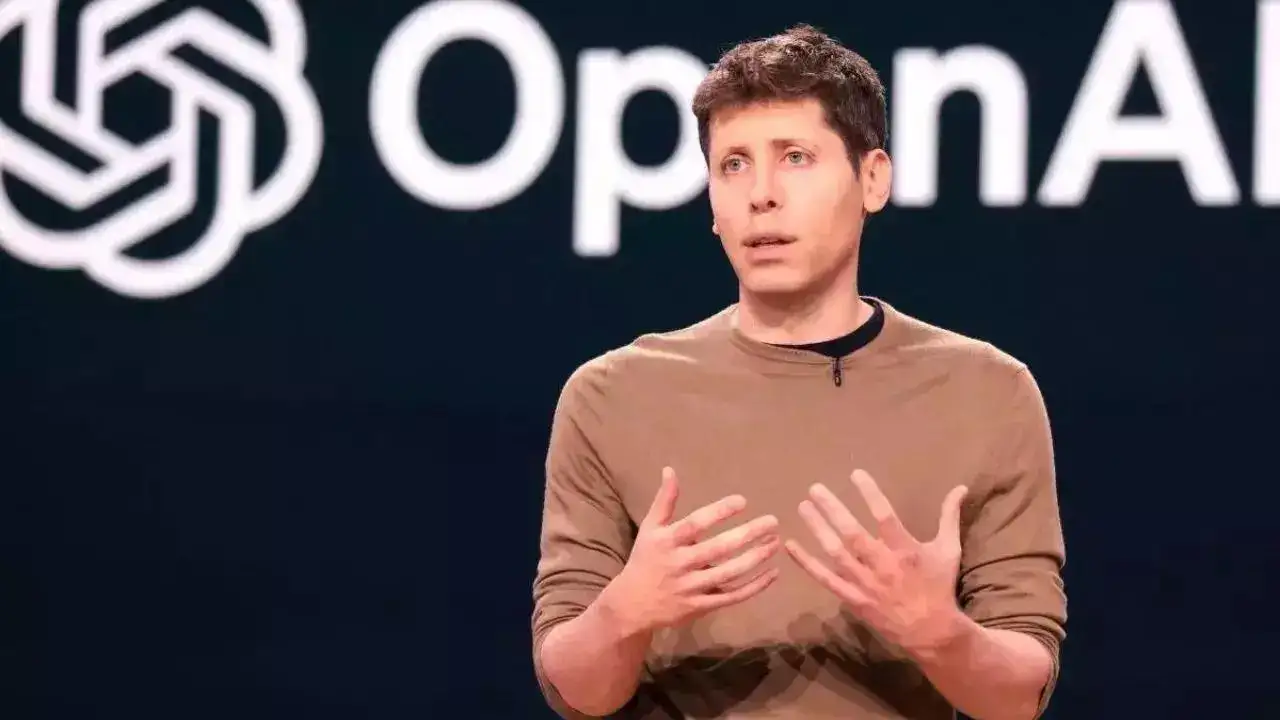
Sam Altman has suggested ambitions such as an “automated AI research intern” running at large scale in the near term, followed by more advanced automated AI researchers later this decade.
In October, Altman said the company had set a goal of running an "automated AI research intern" on hundreds of thousands of chips by this coming September, and a "true automated AI researcher by March of 2028." "We may totally fail at this goal," Altman wrote on X, “but given the extraordinary potential impacts we think it is in the public interest to be transparent about this.”
Demis Hassabis has described the current phase of AI development as the “foothills of the singularity.” Jack Clark has estimated significant chances of AI systems performing research and development tasks without human input by the end of the decade. METR chief executive Elizabeth Barnes wrote on Friday that in her view, “any 'reasonable' civilization would clearly be taking things much more slowly and carefully with AI.”