Get all your news in one place.
100's of premium titles.
One app.
Start reading
International Business Times
Business
Merin Rebecca Thomas

OPEC+ Raises Oil Output As Gulf Supply Disruptions Persist Amid Iran War

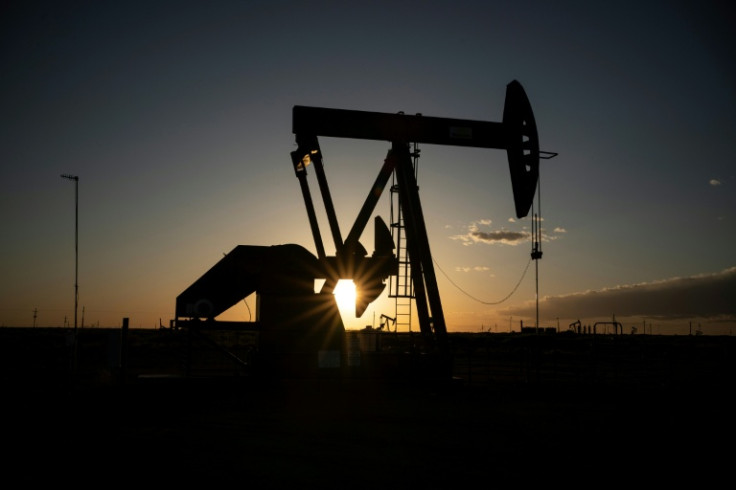
The alliance of Saudi Arabia, Russia, Iraq, Kuwait, Kazakhstan, Algeria and Oman confirmed it will raise production by 188,000 barrels a day, slightly below the previous month's increase. (Credit: AFP)

OPEC+ agreed to a modest increase in oil production for June as the group continues adjusting output during a period of disrupted global supply tied to the ongoing conflict involving Iran and restricted shipping through the Strait of Hormuz, as well as de departure of the United Arab Emirates from the cartel.

The alliance of Saudi Arabia, Russia, Iraq, Kuwait, Kazakhstan, Algeria and Oman confirmed it will raise production by 188,000 barrels a day, slightly below the previous month's increase. The adjustment was agreed during a virtual meeting focused on global supply conditions and market stability.

The decision is part of a series of voluntary production adjustments first introduced in 2023 and reviewed monthly by participating countries. The group said the latest change reflects continued coordination to manage supply while retaining flexibility to respond to market developments, according to the OPEC statement.

The meeting marked the first OPEC+ decision since the United Arab Emirates exited the group on May 1. The UAE's departure ended nearly six decades of membership and removed one of the alliance's largest producers from the coordinated quota system.

CNBC noted that the UAE had been the third-largest producer in OPEC prior to its exit behind Saudi Arabia and Iraq. The country's departure has altered the composition of the group's decision-making structure.

Separate reporting from IBT noted that the UAE exit followed long-standing disagreements over production quotas and broader regional tensions, while also highlighting the timing of the decision amid elevated geopolitical risk in the Gulf.

The production decision comes as oil markets continue to be shaped by disruptions in the Middle East. Shipping through the Strait of Hormuz has remained constrained due to the Iran conflict, affecting flows from several Gulf exporters and reducing available global supply.

According to Al Jazeera, the disruption has significantly affected oil shipments through the Strait of Hormuz, a key route for global crude exports, as the conflict continues to restrict maritime movement in the region.

The supply impact has also been reflected in price movements over recent months. According to another IBT report, U.S. petrol prices reached a four-year high earlier in 2026 as concerns over Hormuz shipping and wider Gulf supply constraints tightened global availability.

Market movements have also reflected shifts in diplomatic signals around the conflict. According to IBT, oil prices briefly eased when reports suggested renewed communications on potential agreements involving Iran, though broader supply risks tied to Hormuz remained in place.

OPEC+ members are scheduled to continue monthly meetings to assess production levels, compliance, and market conditions, with the next session set for June.

Sign up to read this article
Read news from 100's of titles, curated specifically for you.
Already a member? Sign in here
Related Stories
Top stories on inkl right now
One subscription that gives you access to news from hundreds of sites
Already a member? Sign in here
Our Picks
Fourteen days free
Download the app
One app. One membership.
100+ trusted global sources.