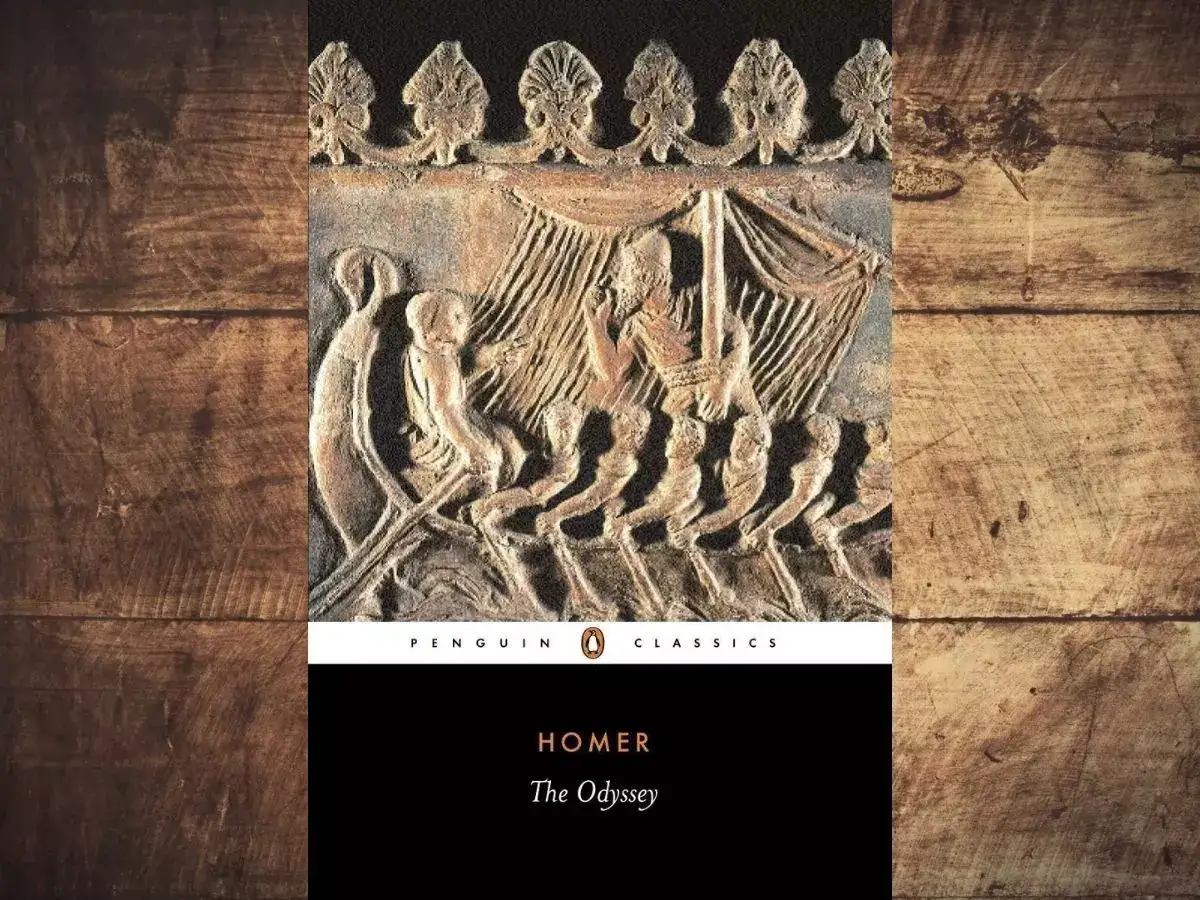
Nearly 3,000 years after it first captivated audiences, The Odyssey has found a new way to reach listeners. This time, the classic tale arrives with artificial intelligence at the center of its storytelling. A newly released audiobook uses an AI-generated version of Michael Caine’s voice, reigniting debates across Hollywood about creativity, consent and the future of performance. While some welcome the technology, others remain deeply cautious about where it could lead, as per a report by Smithsonian magazine.

The Odyssey has survived through spoken tradition, written manuscripts and countless retellings. Now, one of the world's oldest stories has entered a new chapter with the help of artificial intelligence.
Production company ElevenLabs has released a 13-hour adaptation of Homer’s epic poem featuring what sounds like the unmistakable voice of Michael Caine. Yet the performance was not recorded in a studio. Instead, it was generated through AI technology, alongside 20 additional voices, music and sound effects.
The release has added another layer to an ongoing conversation about how artificial intelligence is reshaping creative industries.
How was the new Odyssey audiobook created?
According to ElevenLabs, the production blends traditional storytelling with modern audio technology.
“For centuries, people have passed down stories like the Odyssey through voice and written text,” Jack McDermott, who leads marketing efforts at ElevenLabs, says in a statement. “This new production builds on that tradition. It combines human creativity and taste with A.I. audio tools that turn an ancient story into an immersive audiobook for today’s readers.”
Michael Caine, the 93-year-old British actor, licensed both his likeness and voice to the company's Iconic Marketplace. The agreement permits ElevenLabs to use AI-generated versions of his voice for commercial projects, as per a report by Smithsonian magazine.
This is not the first time the company has taken this approach. Earlier productions included The Wonderful Wizard of Oz, narrated through an AI recreation of Judy Garland’s voice, and Sherlock Holmes, featuring an AI version of Laurence Olivier.
Why is Hollywood divided over AI voices?
The growing use of artificial intelligence continues to split opinion across the entertainment industry.Some performers and companies view AI as a tool that can preserve iconic voices and introduce classic works to new audiences. Others worry about long-term consequences for creative professions and artistic ownership.
Those concerns intensified in 2025 when more than 400 entertainment leaders signed an open letter urging the U.S. government to strengthen regulations surrounding artificial intelligence and copyright protections, according to CBS News.
The debate has become especially significant within the audiobook industry, where human narration has traditionally been central to the listening experience, as per a report by Smithsonian magazine.

“The slippery slope of synthetic celebrity voices is, of course, that publishers will simply license those voices for more and more projects, resulting in fewer possibilities for everyone else,” audiobook narrator Edoardo Ballerini tells the New York Times.
What is the human consent registry?
Amid these discussions, a new initiative has emerged to address concerns about permission and ownership. This week saw the launch of the Human Consent Registry, a tool developed by an organization co-founded by actor Cate Blanchett. The registry aims to create a public and machine-readable system that records whether individuals approve or reject the use of their likeness, voices and movements by AI systems.
As reported by Gizmodo, however, there is still no clear mechanism for enforcing those preferences.
The conversation surrounding The Odyssey audiobook therefore extends beyond one production. It touches on larger questions about technology, creativity and consent that continue to shape Hollywood.
Homer’s ancient tale has once again found a new audience, proving that even stories nearly 3,000 years old can evolve alongside the tools of a changing world, while sparking fresh debates about who tells them and how.
FAQs
Who narrates the new Odyssey audiobook?
It uses an AI-generated version of Michael Caine’s licensed voice.
Why is the release drawing attention?
It has revived discussions about AI, consent and creative rights in entertainment.