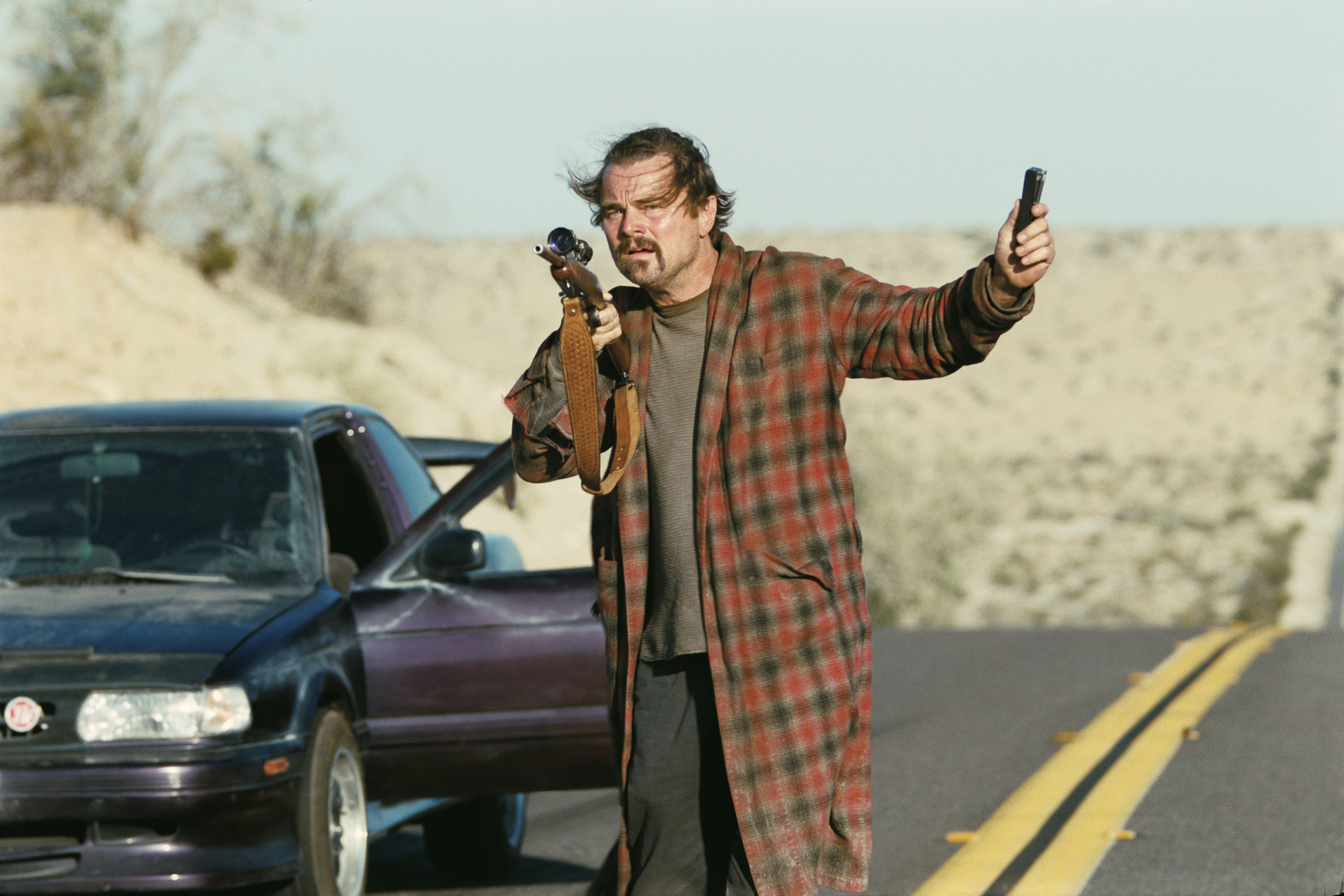
Paul Thomas Anderson’s One Battle After Another has only just hit theaters, but audiences have already made up their mind about the feature. It’s been lauded as a masterpiece (and rightly so) by countless critics, and dubbed the most successful political film Hollywood has produced in decades. Neither of those accolades feel like a reach: One Battle is a supreme flex from a director who rarely missteps. It’s timely — and even timeless — without feeling needlessly preachy; it lays the state of our nation bare without making the plight of marginalized Americans feel gratuitous. It also delivers one of the best versions of a trope that’s been gaining plenty of traction in recent years, that of the white supremacist cult that functions as an all-powerful secret society.
The latter is a fairly old concept — one, you could argue, is baked into the mythos of our nation itself — and one of the most glaring examples of art imitating life, but it hasn’t always been done with the most subtlety. As our own dystopia shifts closer into circumstances that border on fantastical, America’s prejudiced origins are impossible to ignore. It’s a facet of our day-to-day life at this point, and genre shows like The Boys and Peacemaker are determined to explore that through a heightened lens.