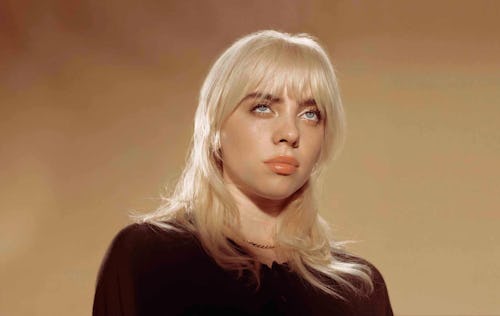
When Ringo Starr announced Billie Eilish as the winner of Record of the Year at the Grammys in March, her reaction spoke volumes. Seated next to her brother and mainstay producer Finneas, the 19-year-old gasped behind her mask, physically jolting back in her chair. "This is really embarrassing for me," she said at the podium. "Megan [Thee Stallion], girl, I was gonna write a speech about how you deserve this but then I was like, there's no way they're going to choose me. It's hers! You deserve this."
The victory secured her a seventh Grammy in just two years' time, a nearly unparalleled milestone for an artist of her age. The year prior, she joined an exclusive club by sweeping the Grammys’ Big Four, a feat that had only been achieved once before, by Christopher Cross in 1981. That consistent unlikeliness has been the DNA of Eilish's rocket-fueled career since her debut 2015 single "Ocean Eyes," a sepia-toned dreamscape carried by a confidence and control that belied her 14 years. Then again, Eilish isn't like other pop stars. A Los Angeles native, she's come of age in the spotlight, chiseling at the rigid pop conventions while concurrently, and unpredictably, finding universal acclaim. Her debut album, When We All Fall Asleep, Where Do We Go?, was a grim pop fantasia, like something plumbed from a menacing nightmare. It portrayed a teen so in touch with and understanding of her angst that it instantly made her an unequivocal Gen Z avatar.