CHENNAI: More than 18% of people discharged from the Government Medical College and Hospital in Omandurar have now developed diabetes, a hospital-based study has shown. Apart from pneumonia, blood clots, and other serious health concerns caused by moderate or severe infection of Sars-CoV-2, is triggering chronic diseases much earlier.
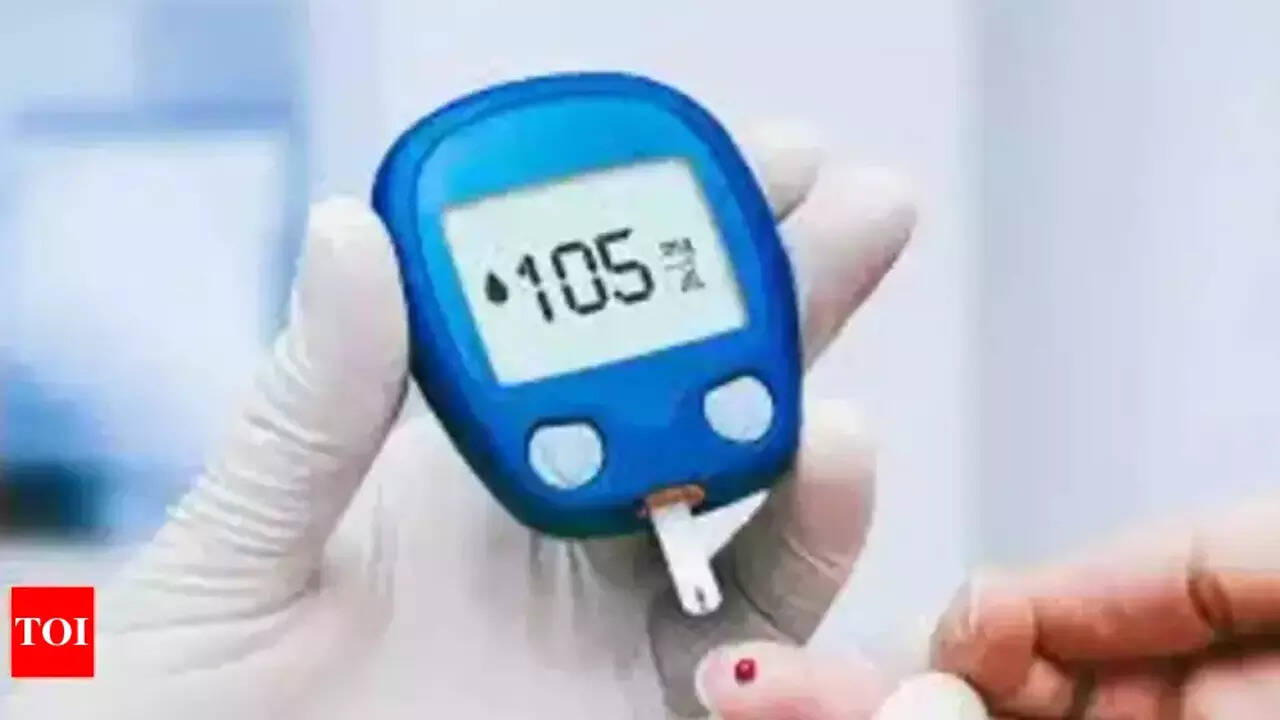
The hospital, which had an exclusive Covid-19 ward with 500 beds and runs a sequalae clinic. Of the 500 patients in the study, including 198 women, 92 of them developed diabetes after recovery. The mean random glucose level in the newly diagnosed diabetics was around 239 mg/dL compared to 114 mg/dL among non-diabetics.

"People who have survived C19 are at higher risks for many communicable and non-communicable diseases," says hospital dean Dr Jayanthi R.
What struck the study’s authors the most is that it affects even people below 30 years. For instance, of the 47 people in the 20-29 years age group, 9 of them had high glucose levels. The risk increases with age. Nearly 16 out of 35 patients in the 50-59 years age group developed diabetes. “Our study has limitations. It has 500 people, and it is a single hospital study, but similar studies from other government and private hospitals are showing similar results,” she said.
While there is no clear detailed evidence to show what triggers diabetes, doctors say inflammation inside the body caused by Sars-Cov2 brings about insulin resistance, a feature of type 2 diabetes, which means the body can’t make proper use of the insulin it produces. There are also suggestions that the virus affects the pancreatic beta cells, which produce insulin. “There are several other factors. Some drugs, such as steroids, used to treat Covid-19 can trigger diabetes,” said senior diabetologist Dr V Mohan.
“There is also another problem,” he said. “Over the last two years, lockdowns have led to increase in stress and obesity levels. They are both risk factors for diabetes and Covid infection would have been the last straw,” he said.
Doctors however maintain that their long-term studies may be required to explain the biological link between Covid-19 and diabetes. “We don’t yet know how many people who acquired diabetes are able to reverse the condition once they get back to their routine,” said director of medical education Dr Narayanababu.
Post Covid clinics in medical college hospitals are helping long Covid patients and collecting data for detailed research, he said.