
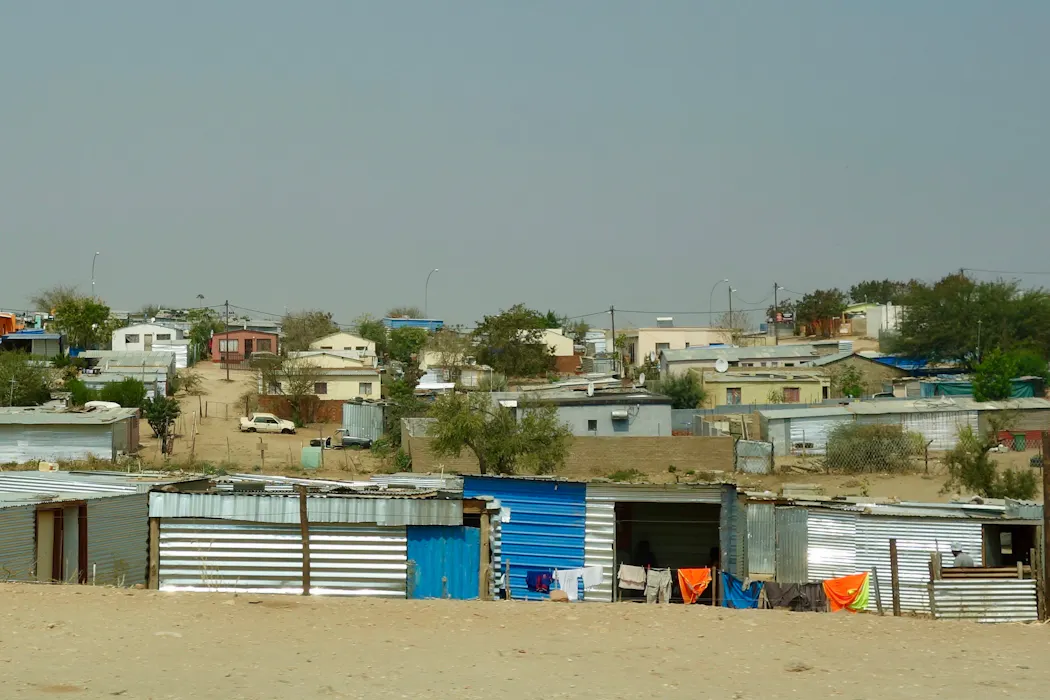
Your grandmother in Windhoek, the capital of Namibia, is struggling to breathe. You call the public ambulance service, but you’re told it could take more than 24 hours to arrive, if it comes to your area at all. So you make the only call that might actually save her: the City of Windhoek’s ambulance service. It arrives quickly. It also comes with a bill of 800 Namibian dollars (about US$50).
If you can’t pay on the spot, the city doesn’t turn you away, it simply adds the charge to your municipal account alongside your water and electricity. That should be a relief. In practice, it becomes a trap. Fall behind on that bill, and the city can cut your water and power.




