
American consumers seeking relief at the pump might want to look away the next time they pass a fuel station. WTI crude futures recently topped $105 per barrel before settling around $100, and diesel prices are soaring to unprecedented heights. A quick end to the Iran war seems out of reach, and investors are flocking toward stocks with upside in a prolonged conflict. In the early stages of the war, the focus was on crude prices as a proxy, but the profitability split between raw materials and refined products became too wide to ignore, which sent refining stocks soaring.
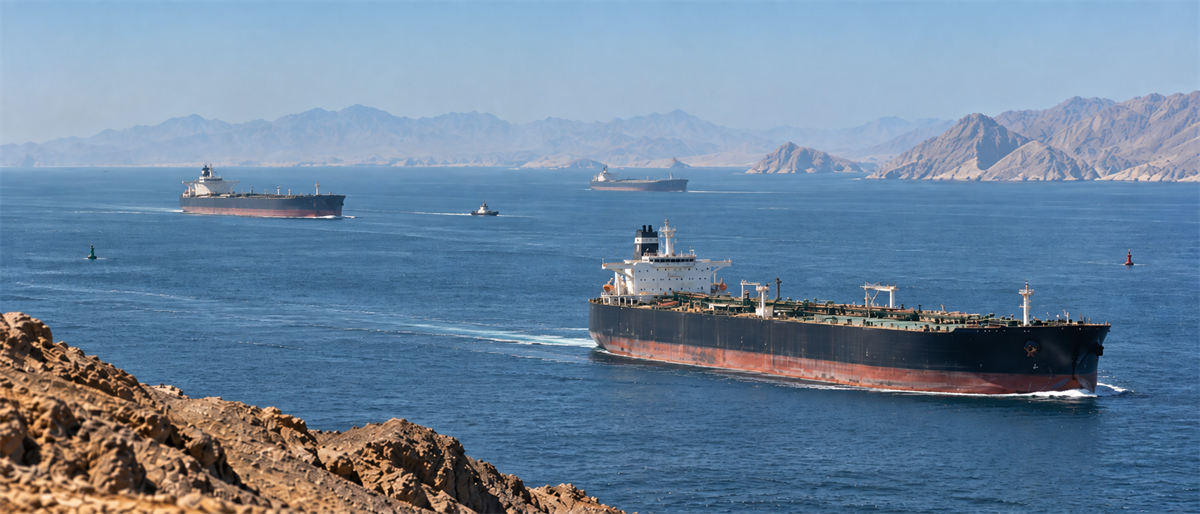
After all the turmoil of 2026, investors know how to adjust expectations, and the next trend in oil markets may not come from either upstream or downstream. Tanker rates have risen far faster than oil or gas prices, and adding capacity or bringing facilities back online can't fix this problem. Rates on the commonly used Baltic TD3C route connecting the Arabian Gulf to China topped $1 million per day on Sept. 16, and the spillover effect is even raising prices on routes far from the war zone. The setup now favors three distinct approaches, depending on where tanker rates go next.


-copy-dd1f2bf0.jpeg?w=600)











