Afternoon summary
A quick recap of the main points.
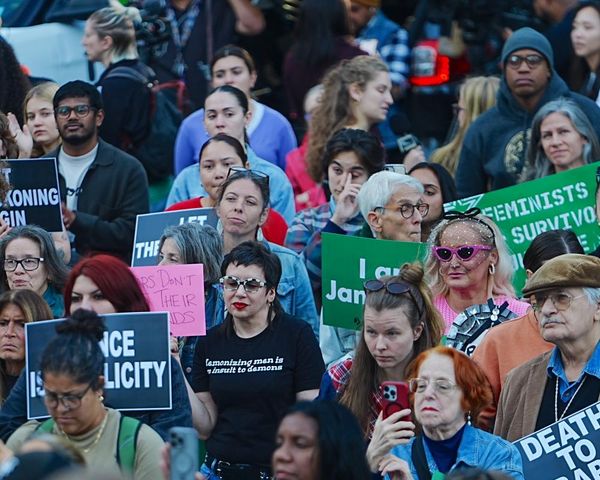
Asia-Pacific markets have dropped as anti-Covid lockdown protests broke out at dozens of Chinese cities last weekend.
The demonstrations, as Covid-19 infections rise at record pace, have fuelled fears that China’s economic recovery could stumble.
Oil has hit its lowest level since January, while China’s yuan fell to a two-week low, as investor anxiety rose.
UK retailers have reported a drop in sales this month, and warned that December will be weak too, as the cost of living crisis hits the sector.
World trade growth has slowed, the WTO reports, another warning sign.
And the National Grid has backed away from triggering a power-saving plan to prevent blackouts tomorrow.
National Grid avoids triggering emergency blackout plan
Good news: National Grid no longer expects to activate its emergency winter plan tomorrow.
The UK electricity network operator has told the industry that “there is no longer considered to be a requirement for DFS” (its “demand flexibility service”).
That means households and businesses won’t be asked to cut their power demand tomorrow to avert power cuts.
UK National Grid **cancels** the need for its electricity-saving "Demand Flexibility Service" for tomorrow | #EnergyCrisis
— Javier Blas (@JavierBlas) November 28, 2022
As we reported earlier, the DFS is designed to reduce household consumption when supply is tight, by rewarding businesses and households that shift their power usage away from times of peak demand.
The plan to trigger the DFS has been cancelled, as the Grid now believes it has enough power to keep systems running.
This means households should be free to watch the World Cup, with England and Wales playing their final group game at 7pm GMT (other TV broadcasts are available, power permitting….)