
Get all your news in one place.
100's of premium titles.
One app.
Start reading
The Conversation
The Conversation
Environment
Noah Kaufman, Senior Research Scholar in Climate Economics, Columbia University

Oil and gas communities are a blind spot in America’s climate and economic policies

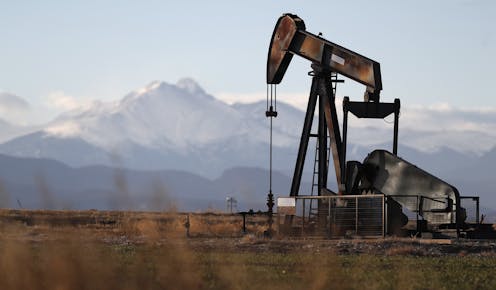
Several rural communities in the western U.S. rely heavily on the fossil fuel industry. AP Photo/David Zalubowski

On a recent visit to Rangely, a small town in northwest Colorado, my colleagues and I met with the administrators of a highly regarded community college to discuss the town’s economy. Leaving the scenic campus, we saw families driving into the mountains in off-road vehicles, a favorite activity for this outdoors-loving community. With a median household income above US$70,000 and a low cost of living, Rangely does not have the signs of a town in economic distress.

But an existential risk looms over Rangely. The town is here because of an oil boom during World War II. Today, the oil and gas industry contributes over half of the county’s economic output.

Sign up to read this article
Read news from 100's of titles, curated specifically for you.
Already a member? Sign in here
Related Stories
Top stories on inkl right now
One subscription that gives you access to news from hundreds of sites
Already a member? Sign in here
Our Picks
Fourteen days free
Download the app
One app. One membership.
100+ trusted global sources.







