The Ohio Department of Health has declared the state's third measles outbreak of 2026, involving four confirmed cases across two counties. Three of the patients live in Ashtabula County in the state's northeast corner, and one lives in Tuscarawas County, roughly 100 miles south. Their ages range from 4 to 30. All four were unvaccinated.
An outbreak is defined as three or more related cases, which means the state has determined these infections are linked rather than separate importations. The geographic spread between the two counties is the detail that will shape the coming weeks, because linked cases separated by that distance imply travel or gathering exposure rather than a single household.
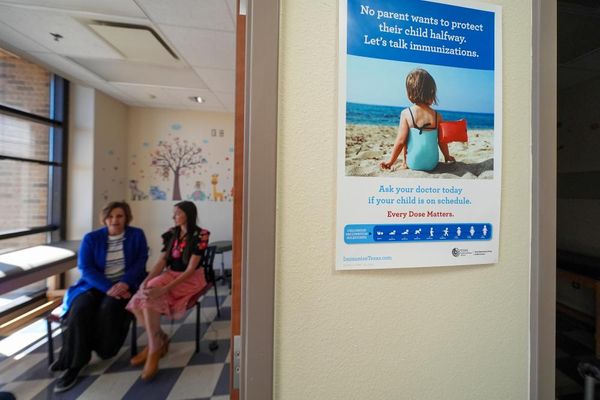
Contact tracing is underway. ODH said it is working with local health departments in both areas to follow up on potential exposures and to promote vaccination. Additional cases connected to this cluster would not be surprising given measles transmission dynamics, though no one has predicted a number and none has been confirmed.
Four Cases Against a Rising State Baseline
Ohio has now recorded 15 measles cases in 2026. That figure sits against 45 cases in 2025, seven in 2024 and one in 2023.
Two earlier outbreaks were declared this year. The first, in January, involved three unvaccinated children from one Cuyahoga County household who had traveled to a part of the United States with an active outbreak. The second was declared in Franklin County in February.
Three outbreaks in seven months is the pattern ODH Director Dr. Bruce Vanderhoff addressed directly. "It's unfortunate that these outbreaks have become more common in Ohio over the past few years," he said in the department's announcement, framing the recurrence as evidence of a preventable gap rather than an unavoidable seasonal event.
Ashtabula County has been here before. In March 2025, ODH identified 10 measles cases there, nine of them linked to the state's first case of that year. None of those individuals were vaccinated either.
Transmission Dynamics Set the Contact Tracing Window
Measles is among the most contagious diseases known. The virus survives in the air for up to two hours after an infected person coughs or sneezes in a space, and a person who breathes that air or touches a contaminated surface and then their eyes, nose or mouth can be infected.
Nine out of 10 unprotected people exposed to measles will become ill. A person is contagious for four days before the rash appears and four days after, which is why exposure notification is slow and often incomplete. The infectious window opens before anyone knows they have measles.
Symptoms typically appear one to two weeks after infection. They begin with high fever, cough, runny nose and red, watery eyes, followed by a blotchy red rash that starts on the face and spreads downward. Complications include pneumonia, which affects as many as one in 20 children with measles and is the most common cause of measles death in young children, along with encephalitis.
Anyone who suspects measles exposure and develops these symptoms should call a clinician before going to a clinic or emergency room, so staff can prevent exposure in a waiting room. Difficulty breathing, severe dehydration, seizures or confusion require urgent care. This article is general information and is not a diagnosis.
Infants and Immunocompromised Residents Carry the Largest Exposure Risk
The four confirmed patients were all unvaccinated, and that is the group at direct risk. But the population that cannot protect itself is broader.
Infants under 12 months are too young for the routine first MMR dose. People undergoing cancer treatment, organ transplant recipients and others with weakened immune systems may not mount a full response to vaccination even when they have received it. Pregnant women face elevated complication risk. Adults over 20 experience more severe measles than school-age children.
These are the people who depend on community coverage rather than personal immunity, and they are the reason a four-case cluster in two rural counties is treated as a public health event rather than four individual illnesses. In communities where kindergarten MMR coverage has fallen below the 95% threshold associated with herd immunity, a single introduction can spread widely.
Parents in Ashtabula and Tuscarawas counties can look up local coverage rates through Ohio's kindergarten immunization dashboard, searchable on the state's data portal under the annual kindergarten immunization level assessment. It reports utilization by year, county, school and vaccine.
Vaccination Timing and Access in the Affected Counties
Two doses of MMR are 97% effective against measles, according to ODH. The CDC schedule calls for the first dose at 12 through 15 months and the second at 4 through 6 years. The vaccine can also be given to adults who are unvaccinated or whose status is unknown, and a booster is safe for adults uncertain of their history.
Two timing points matter during an active outbreak. Infants as young as 6 months can receive an early dose in outbreak settings, a decision for a pediatrician rather than a parent alone. And MMR given within 72 hours after a known exposure may prevent illness or reduce its severity, which makes prompt reporting of suspected exposure genuinely consequential.
Cost should not be the barrier. The federal Vaccines for Children program covers MMR at no cost for eligible children, including those who are uninsured or Medicaid-enrolled, through participating providers and local health departments. Most private insurance covers routine immunization without cost sharing. Ashtabula County and Tuscarawas County health departments are the practical starting point for families without a regular pediatrician, since both are rural jurisdictions where specialist access is limited and county clinics carry much of the immunization load.
Do not stop or change any medical treatment based on a news article. Families with questions about vaccination timing for an immunocompromised household member should speak with the treating clinician.
Open Questions and the Next Data Point
Several things remain unknown. ODH has not disclosed how the four cases are linked, whether an exposure site list will be published, or whether the cluster originated from domestic or international travel. Contact tracing results have not been released.
Additional cases within the incubation window would appear over the next several weeks. Ohio's outbreaks in January and February each began small, and national data show that most 2026 measles cases have been outbreak-associated rather than isolated.
MedicalDaily will report updated case counts, any exposure notifications issued by the Ashtabula County or Tuscarawas County health departments, and any expansion into additional counties.
Frequently Asked Questions
What happened? Ohio declared its third measles outbreak of 2026 after confirming four linked cases, three in Ashtabula County and one in Tuscarawas County. All four patients were unvaccinated, with ages from 4 to 30.
What counts as an outbreak? Three or more related cases. The designation means health officials have determined the infections are connected.
How many measles cases has Ohio had this year? Fifteen, following 45 in 2025, seven in 2024 and one in 2023.
What symptoms should families watch for? High fever, cough, runny nose and red, watery eyes, followed by a blotchy rash beginning on the face. Symptoms appear one to two weeks after exposure.
How contagious is it? Nine of 10 unprotected people exposed will become infected. The virus lingers in the air for up to two hours, and a person is contagious four days before the rash appears.
What should I do if I think we were exposed? Call a clinician before visiting in person. MMR given within 72 hours of exposure may prevent or reduce illness.
Where can uninsured families get the vaccine? Through the federal Vaccines for Children program at participating providers and county health departments, at no cost for eligible children.
Are more cases expected? Contact tracing is ongoing. Officials have not projected a number, and no additional cases connected to this cluster have been confirmed.