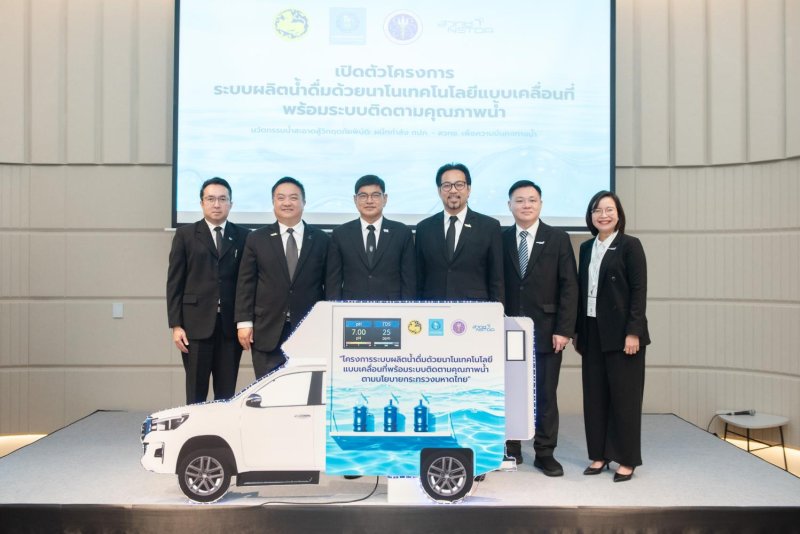
Mobile nanotechnology-based water purification vehicles have been launched to strengthen emergency water supplies in disaster-hit areas, as authorities seek to improve resilience against increasingly frequent floods, droughts and water contamination.
The Provincial Waterworks Authority (PWA) and the National Nanotechnology Centre (Nanotec), under the National Science and Technology Development Agency (NSTDA), recently unveiled the AquaNano vehicles at Thai Water Expo and Water Forum 2026 in Bangkok.
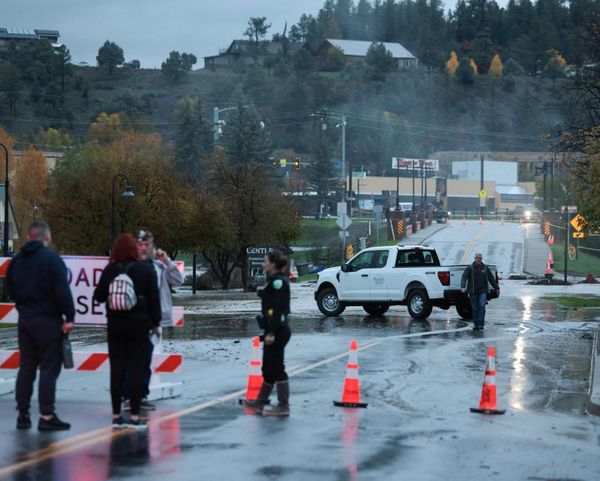
The initiative follows a series of major disasters since 2021, including severe flooding in Mae Sai, Chiang Rai, Chiang Mai and Hat Yai, where inundated water treatment plants disrupted clean water supplies and exposed weaknesses in Thailand's conventional water production system.
Building on earlier deployments of fixed nanotechnology-enabled filtration stations, the new mobile units can be rapidly sent to affected areas and produce up to 250 litres of drinking water an hour from nearby raw water sources, allowing continuous operation during emergencies.
The project also responds to growing concerns over deteriorating water quality, particularly in northern Thailand, where rivers have been contaminated by heavy metals and other pollutants.
NSTDA deputy executive director Worawarong Rakreungdet said the seven-stage purification system combines advanced nanomaterials, adsorption technology and silver-based antimicrobial treatment to remove pathogens, heavy metals and organic contaminants while disinfecting the water.
The treated water is comparable in taste to commercially bottled drinking water, he said.
Each vehicle is equipped with a real-time water quality monitoring system that tracks filtration performance and alerts operators when filter media require replacement, helping ensure the water consistently meets safety standards.
Sutat Nutchapan, PWA deputy governor for Operations 3, said the vehicles enable the authority to shift from supplying water solely through fixed treatment plants to delivering clean drinking water directly to communities during crises.
With 10 AquaNano vehicles now available, PWA can deploy emergency water treatment units within hours instead of transporting water from distant facilities, improving response times during floods and other disasters.