The care your elderly relative receives in a nursing home depends on an adequate number of trained staff being present every shift. That equation is under increasing pressure, and a growing number of nursing home operators say the pressure is becoming unsustainable.
Long-term care facilities across the United States were already operating well below optimal staffing levels before 2026. Nearly half of U.S. nursing homes report limiting admissions because of staffing shortages, and only 19% currently meet the minimum staffing levels mandated by the Centers for Medicare & Medicaid Services by 2029, according to research published in JAMA. Now, immigration enforcement actions affecting legally working foreign-born employees are compounding those deficits at exactly the moment when the aging Baby Boomer generation is driving demand for long-term care to a generational peak.

This is not a future risk. Operators, advocates, and research institutions across the country describe it as an immediate crisis that is already reaching the people their facilities are supposed to protect.
Why This Matters
Staffing levels in nursing homes are not an administrative abstraction — they determine the lived reality of nursing home residents. Research published by the Centers for Medicare & Medicaid Services and multiple peer-reviewed studies have established consistent connections between short-staffing and worsened patient outcomes: higher rates of pressure ulcers (bedsores), more frequent falls, more medication errors, higher rates of hospitalizations, and increased infections.
For families with a parent, grandparent, or spouse in a nursing home, the staffing crisis translates directly into whether someone is available to answer a call light, notice a change in mental status, assist with medication at the right time, or catch a fall before it happens.
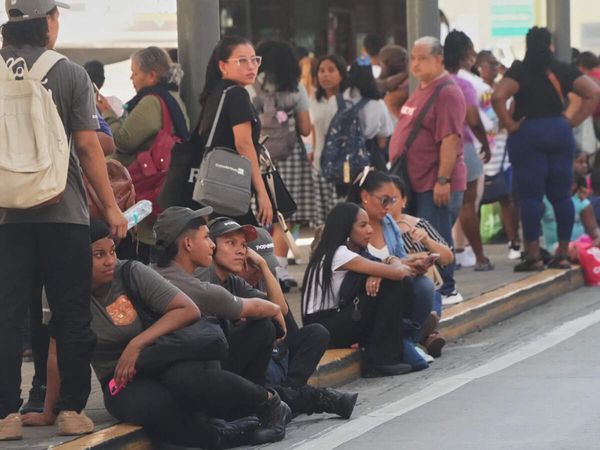
The immigration policy changes of 2025 and 2026 have removed protections for workers from Cuba, Haiti, Nicaragua, and Venezuela who had been working legally in the United States under Temporary Protected Status (TPS) and humanitarian parole programs. These workers are not undocumented immigrants — they are legally authorized workers who have, in some cases, worked in the same facilities for years.
What We Know So Far
From research and industry reporting documented across multiple professional nursing home and health care organizations:
- Foreign-born workers make up 21% to 25% of the nursing home workforce nationally , with that percentage significantly higher for specific roles, including housekeeping and certified nursing assistants
- More than 25% of all direct care workers — nursing assistants, home health aides, and personal care aides — are foreign born , according to PHI, a nonprofit focused on the caregiving workforce
- Home care aides are 41% foreign-born , making home-based eldercare even more exposed than institutional settings
- At Atlanta-based A.G. Rhodes, which operates three nursing homes, immigrants make up approximately 40% of staff and represent workers from about three dozen countries
- The termination of TPS protections means workers can receive notice of their changed status with sometimes less than 24 hours of warning , leaving employers to fill gaps overnight
- Some legally authorized workers have stopped coming to work even before their documents expire — paralyzed by confusion and fear — creating staffing losses that exceed those directly attributable to deportation
Where the Risk Is Highest
The impact is not uniform across the country. Nursing homes in states with high concentrations of immigrant care workers — including Florida, New York, Georgia, California, New Jersey, Maryland, Wisconsin, Virginia, and Minnesota — are experiencing the most immediate staffing effects.
High-impact facilities include those that have historically recruited from Haitian, Cuban, Venezuelan, Nicaraguan, and Central American communities. At Goodwin Living in the Washington D.C.-area, for example, immigration policy changes have limited hospice and certified home health service offerings — not for lack of patient demand, but for lack of qualified staff to deliver care.
In New Rochelle, New York, Mark Sanchez, chief operating officer of United Hebrew, described the pipeline of international nursing talent shrinking dramatically, with qualified nurses increasingly choosing Canada and Germany over the United States.
What Doctors and Experts Say
"The impact is not theoretical or long term; it is immediate," said Amanda Mead, director of workforce policy for LeadingAge, the national association representing non-profit aging services providers. "When legally authorized workers lose status or face sudden changes in eligibility, providers are forced to fill gaps overnight."
"Members are losing valued staff who have worked legally for years but are now suddenly unable to work or too fearful to continue reporting to their jobs," Mead told McKnight's Home Care.
"We feel completely beat up right now," said Deke Cateau, CEO of A.G. Rhodes, who is himself an immigrant from Trinidad and Tobago. "The pipeline is getting smaller and smaller."
Separately, research published by Harvard and MIT economists found that every 1,000 additional immigrants in a metro area leads to approximately 173 additional healthcare workers, including 96 aides, nurses, and doctors, and that these gains are additive, not substitutive, for domestic workers. The same research estimated that restricting immigration could cost thousands of American seniors their lives annually through deteriorating care access.
What the Evidence Shows — and What It Does Not
The research connecting staffing levels to nursing home outcomes is robust and well-established in peer-reviewed literature and in CMS quality data. The connection between the current immigration enforcement environment and worsening staffing levels is documented by multiple industry organizations reporting first-hand facility data.
What remains harder to quantify precisely is the specific number of patient-harm events directly attributable to this staffing loss in 2026, because nursing home outcome data lag by months. However, the mechanism — fewer staff, more patients, worse care — is not in dispute.
This is not a partisan policy story. It is a care quality story. The evidence on what adequate staffing produces in long-term care facilities is settled. The question of whether current policy choices are compatible with those staffing levels is a factual one with a clear data answer.
Who Faces the Greatest Risk?
Nursing home residents most vulnerable to the consequences of short-staffing include:
- Adults with dementia or Alzheimer's disease who cannot self-report deteriorating conditions or communicate discomfort
- Residents with high fall risk who rely on timely response to call lights and regular safety assessments
- Residents receiving complex medication regimens where timing and dosage errors have serious consequences
- Patients post-surgery recovering from hip replacements, cardiac procedures, or other interventions
- Residents with pressure ulcer risk who require regular repositioning and skin assessment
- Non-English-speaking residents who relied on culturally and linguistically concordant staff
Symptoms and Warning Signs to Watch For
If a family member is in a nursing home, these are signs that staffing shortfalls may be affecting their care:
- Call lights going unanswered for extended periods
- Meals being delivered late, cold, or missing items
- Medication administration happening noticeably later than scheduled times
- New pressure sores or existing ones worsening
- Unexplained bruises or injuries (possible falls)
- Changes in mood, alertness, or social engagement in a resident who was previously engaged
- Hygiene or grooming standards declining
- Staff members appearing rushed, visibly overwhelmed, or providing care to several residents simultaneously in a way that limits time per person
What You Can Do Now
- Ask for the facility's current staffing ratios. You have a legal right to this information under federal nursing home transparency rules. Ask specifically: How many certified nursing assistants are on duty per resident on each shift? Is this facility meeting CMS's minimum staffing standards?
- Check the facility's CMS Care Compare score at Medicare.gov/care-compare , which includes staffing data, inspection results, and quality measures in a publicly searchable format.
- Visit at different times of day. Morning and evening visits — not just during typical visiting hours — give a more realistic picture of staffing levels and how calls for assistance are handled.
- Talk directly with nursing staff during visits. Ask about workload. Staff who are able to speak candidly will often provide a clearer picture of daily conditions than administrators.
- If you suspect unsafe staffing is harming a resident , contact your state's Long-Term Care Ombudsman. Every state has a federally mandated ombudsman program that investigates complaints and advocates for nursing home residents. Find your state's program at ltcombudsman.org .
- Document concerns in writing and request written responses from facility administrators. A documented record is important if you later need to escalate to the ombudsman or a state health department.
Cost and Access: What Patients Should Know
Nursing home care is covered by Medicare for short-term skilled care (up to 100 days per benefit period, with cost-sharing after day 20) and by Medicaid for long-term placement in facilities that accept Medicaid. Staffing quality data is publicly available at no cost through Medicare.gov/care-compare.
Long-Term Care Ombudsman services are free to residents and families and are available in every state. Ombudsman representatives can visit facilities, mediate concerns, and escalate serious problems to state regulatory agencies.
If a nursing home is operating below minimum staffing standards, this can be reported to the state health department, which has the authority to issue citations, require corrective action plans, and, in serious cases, remove the facility's Medicare and Medicaid certification.
What Happens Next
LeadingAge and the American Health Care Association are continuing to advocate for immigration reform pathways that would allow qualified care workers to enter or remain in the country legally. The NURSE Visa Act, introduced in Congress in February 2026, would expand work visa access for internationally trained nurses, though its passage timeline is uncertain.
The CMS staffing minimum rule, which requires nursing homes to meet minimum nurse-to-resident ratios by 2029, creates an additional pressure point: facilities already unable to meet those standards in 2026 due to workforce loss are further from compliance, not closer.
MedicalDaily will continue tracking both federal immigration policy developments and their documented effects on nursing home staffing and resident outcomes.
The Bottom Line
Nursing home staffing was already in crisis before immigration enforcement actions accelerated in 2025 and 2026. Adding an abrupt reduction in one of the sectors' most reliable workforce pools — legally working foreign-born employees, many of whom have been in their facilities for years — is measurably worsening that crisis in real time. For families with relatives in nursing homes, the practical action is not to panic but to stay informed: check staffing data publicly available through CMS, ask direct questions during facility visits, and know how to contact your state's Long-Term Care Ombudsman if you have concerns about care quality.