
Get all your news in one place.
100’s of premium titles.
One app.
Start reading
Kids Ain't Cheap
Kids Ain't Cheap
Latrice Perez

Nurses Warn: 5 Hospital Items You’ll Now Pay For That Used to Be Free

hospital bills

Image source: Unsplash.com

Walking into a hospital has always been a stressful experience, but the sticker shock at discharge is reaching a breaking point. Most patients expect to pay for surgeries, medications, and specialized tests, but the list of billable items has expanded significantly through a process called unbundling. Nurses on the front lines see this shift every day as hospitals move away from inclusive room rates toward charging for individual supplies. This shift matters because hospitals now scan supplies in real time, adding costs to your ledger that were once absorbed as overhead.

1. The Growing Cost of Personal Care Supplies

In the past, a hospital admission often included a basic hygiene kit as a standard part of the room and board. Staff considered items like a toothbrush, toothpaste, and a comb as fundamental necessities for an overnight stay. Nowadays, many hospitals have shifted these into billable personal care categories that appear as separate charges on your final statement. These charges often appear as personal care kits or comfort kits on itemized bills. If you do not bring your own toiletries, you might find that these convenience items carry a significant markup compared to retail prices. It is a subtle way for the administration to recover costs on routine necessities that were once complimentary.

2. Barcoded Comfort and Recovery Aids

Recovery often requires specific items to manage pain or assist with mobility, such as specialized pillows or therapeutic cold packs. Nurses have observed a shift where staff must now scan these individually barcoded items into your electronic health record as billable medical supplies. Previously, an extra pillow or a disposable ice pack served as a simple gesture to ensure patient comfort. Now, hospitals increasingly categorize these aids as non-routine supplies or billable comfort items with a price tag to match. This change turns a standard comfort measure into a trackable financial transaction for the facility.

3. Unbundled Monitoring and Sensor Disposables

Technology in healthcare is a double-edged sword when it comes to your wallet. While advanced monitoring saves lives, the disposable components like pulse oximetry sensors and EKG leads are now frequent, separate additions to the bill. In earlier years, the general room rate often bundled these costs as part of standard bedside monitoring. However, many hospitals now unbundle these consumables to charge for every single sticker, lead, and wire used during your stay. Consequently, your bill can grow every time a nurse has to replace a sensor that has lost its stickiness.

4. Specialized Discharge Supplies and Kits

Leaving the hospital used to involve a simple folder of printed instructions and a few basic wound care supplies as a courtesy. Surprisingly, more institutions are now billing for pre-packaged discharge kits and specialized educational materials. Some patients report charges for these kits that they previously assumed were included in the cost of care. They argue that the curation of these medical supplies and the administrative cost of the information constitute a billable service. For the patient, it can feel like a cover charge just to go home and manage your own recovery. This represents a final financial hurdle at the end of an already exhausting experience.

5. Itemized Fluid Administration Hardware

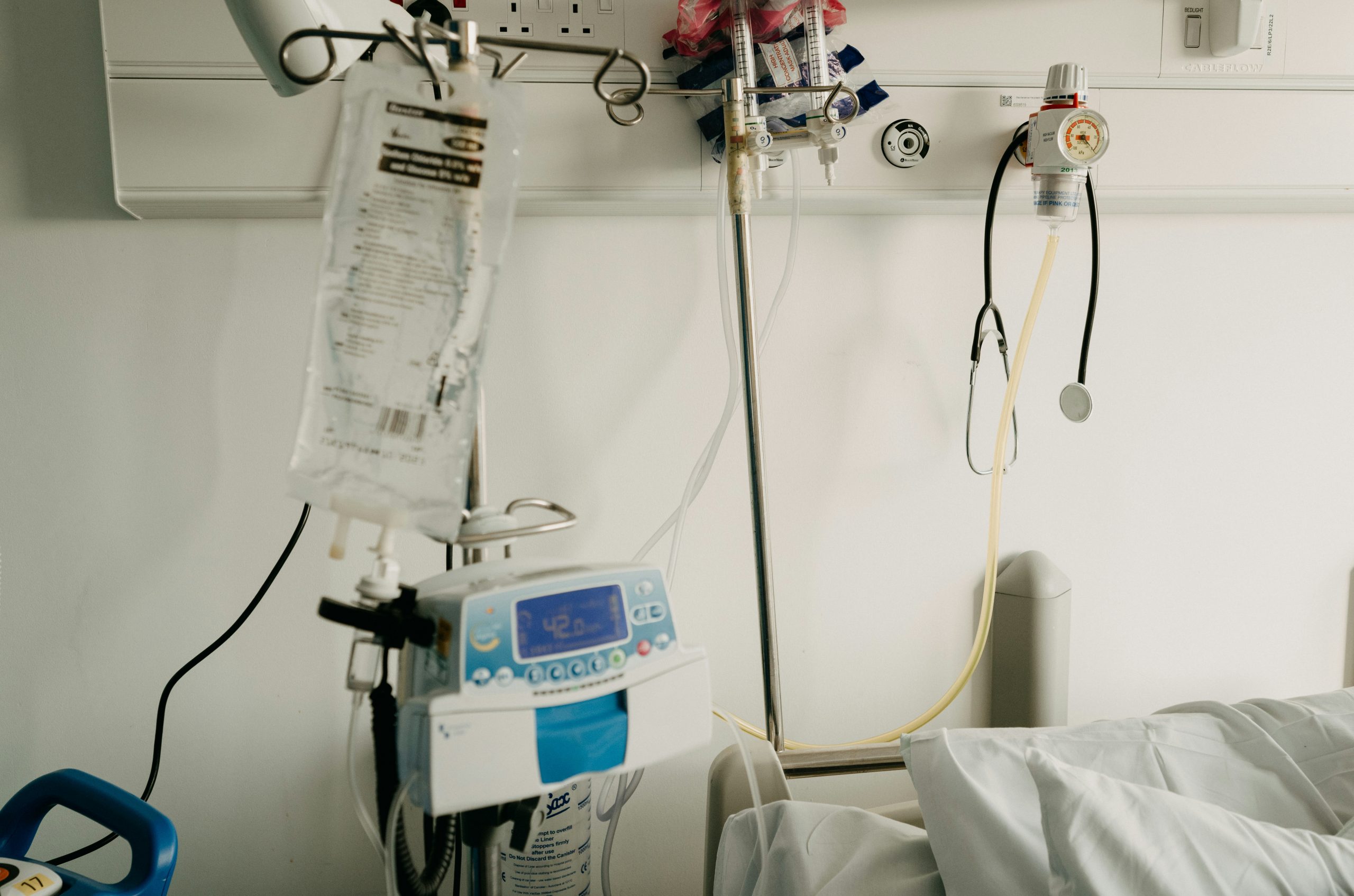
While most patients know that IV medication is expensive, the actual hardware used to deliver it is increasingly treated as a separate line item. This includes the plastic tubing, the sterile tape used to secure the line, and the individual saline flushes. Nurses often feel frustrated by the requirement to scan every single piece of plastic and every syringe before use. This micro-billing strategy ensures that the hospital recovers the cost of every consumable. However, it often results in the hardware costs feeling disproportionately high compared to the medication itself.

Protecting Your Wallet During a Health Crisis

The modern hospital billing system is designed to be complex, making it difficult for the average person to dispute these minor charges. However, being aware that these items are frequently billed separately allows you to come prepared with your own basics when possible. You have the right to ask for an itemized bill and to question charges for supplies you did not use or that should be part of standard care. Taking control of your medical finances is an essential part of the healing process in today’s economic climate. Have you noticed any strange charges on your recent medical bills? Leave a comment below and tell us what the hospital tried to charge you for.

What to Read Next…

The post Nurses Warn: 5 Hospital Items You’ll Now Pay For That Used to Be Free appeared first on Kids Ain't Cheap.

Sign up to read this article
Read news from 100’s of titles, curated specifically for you.
Already a member? Sign in here
Related Stories
Top stories on inkl right now
One subscription that gives you access to news from hundreds of sites
Already a member? Sign in here
Our Picks
Fourteen days free
Download the app
One app. One membership.
100+ trusted global sources.