
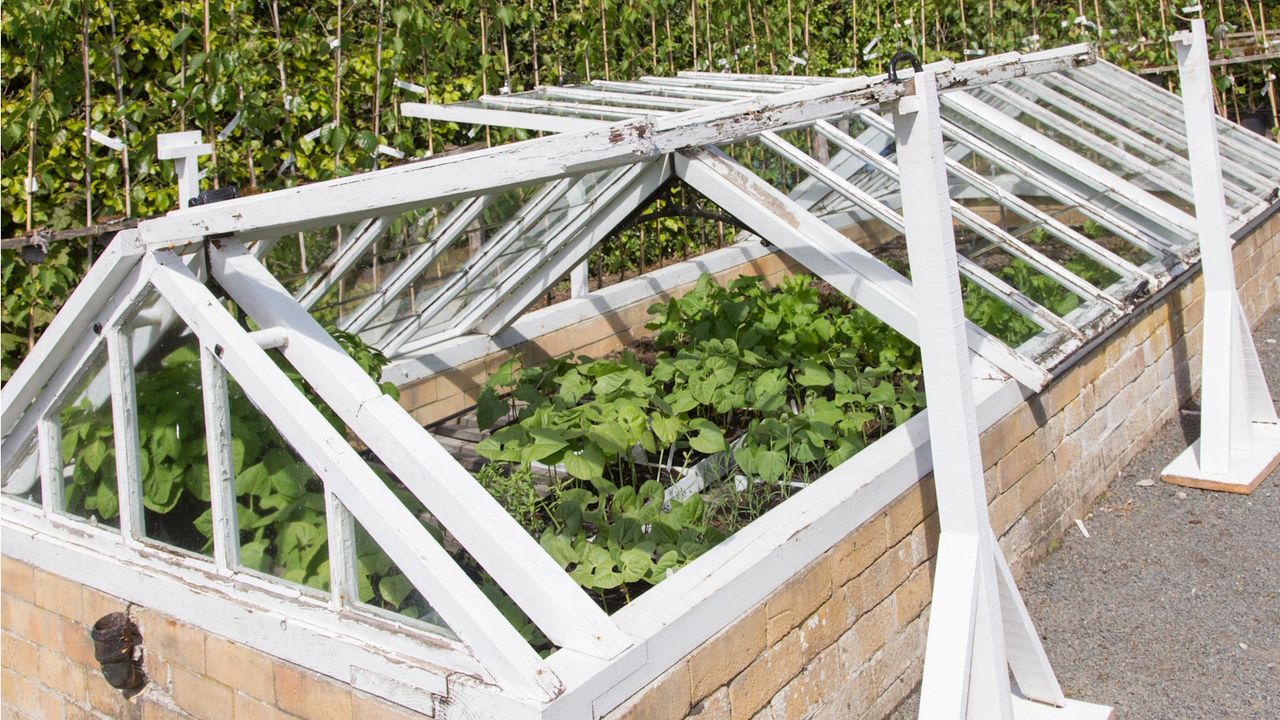
A cold frame is one of the most invaluable things a gardener can own during the winter. It offers a safe place for tender plants to overwinter, provides a growing environment to start seeds where outside conditions don't allow, and can even be used as a greenhouse during the warmest months.
There are so many different types of cold frames on the market, so it can be hard to decide which is the right for you. From fixed ones you build into your yard, to portable ones that can be moved around as needed (like this PVC cold frame from Amazon that can be packed away), there's a style for every garden.
It's an essential for overwintering a garden, creating vital space to keep plants protected from the frostiest temperatures. Here, I talk through five different types of cold frames so you can find the right fit for your yard and gardening needs.
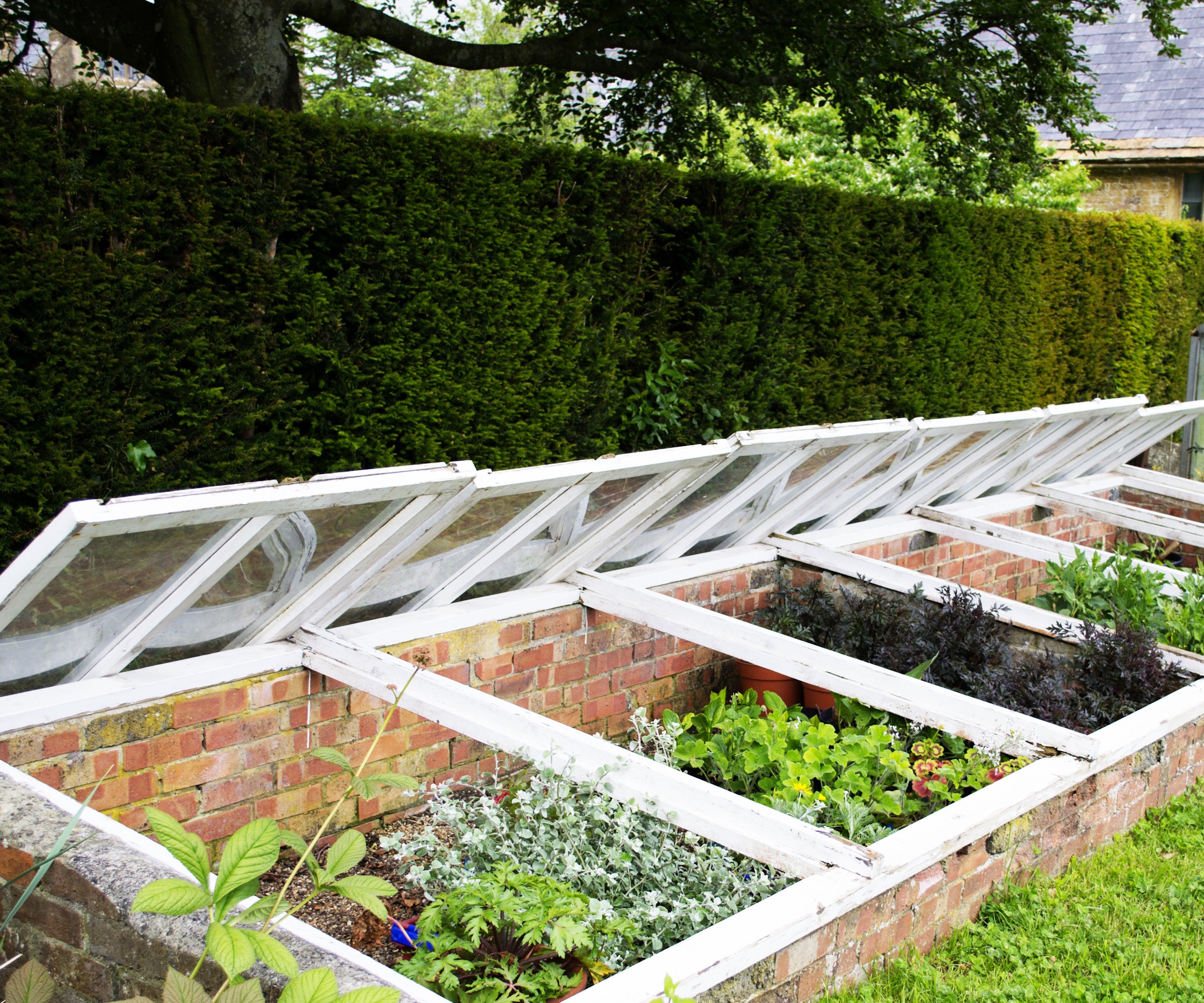
5 Types of Cold Frames
Whether you're looking for a solution to protect plants from frost or want some extra greenhouse space, a cold frame is great investment to make.
1. Fixed Cold Frame
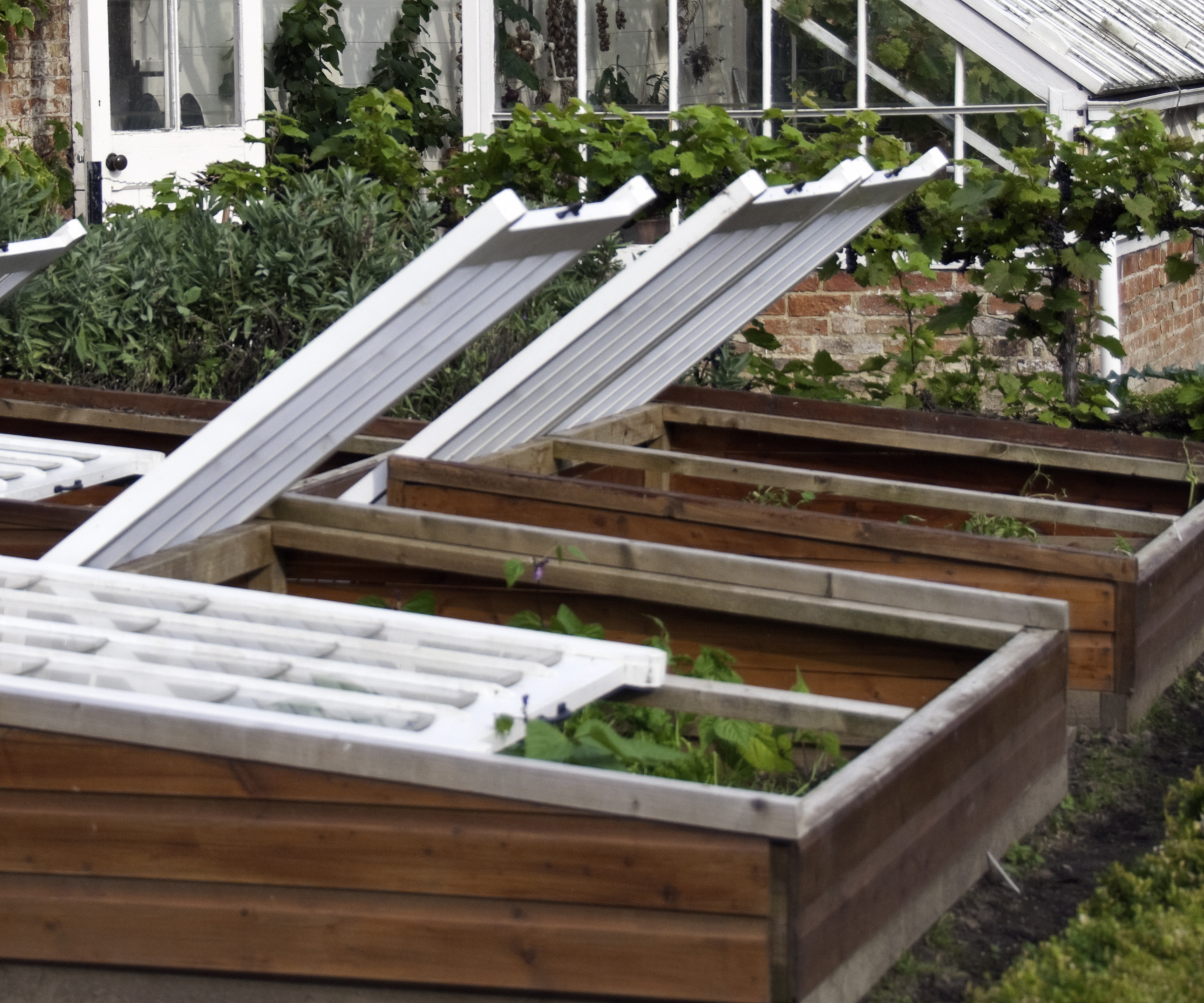
The first of the types of cold frames on our list is a permanent cold frame. This is one usually made of brick or wood, built into the ground or on a foundation, with glass windows and panels.
It's a good choice for the avid kitchen gardener who will get use out of a cold frame year-round.
Though, it should be noted the upfront cost of this type of cold frame can be higher.
This timber cold frame measures 40.16"x31.89"x14.96" with a sturdy timber frame, pressure treated against rot.
2. Portable Cold Frame
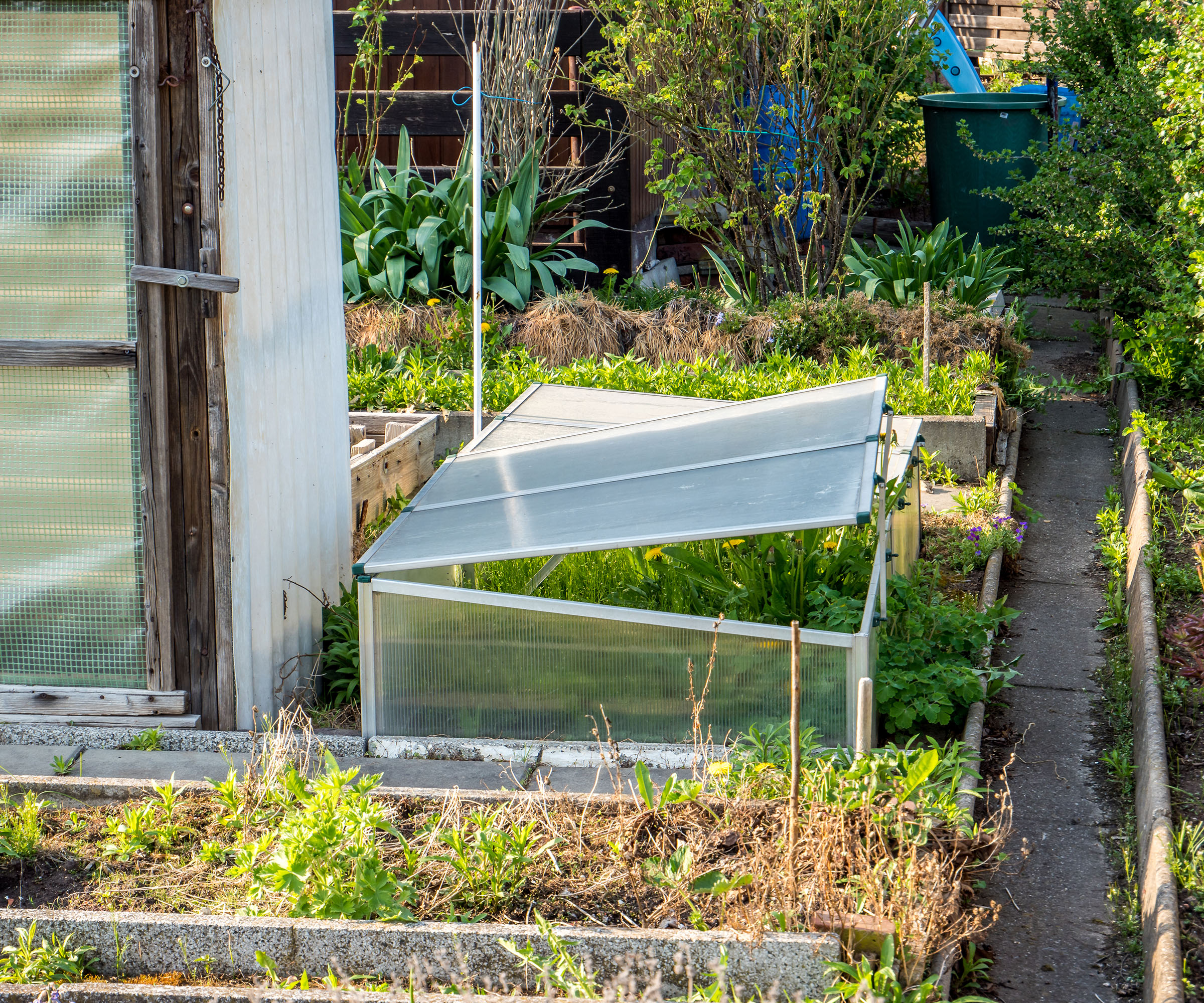
A more affordable option, a portable cold frame offers a more flexible approach.
These are cold frames that are lightweight, usually made from PVC or similar, and can be moved as needed.
They're ideal for gardeners working with limited space, perhaps just a single bed or border, where the cold frame can be put in place for winter and then packed away in the warmer months.
This PVC cold frame acts as a mini greenhouse. It's lightweight, waterproof, and has two roof doors that can be opened for ventilation. It measures 71"x36"x36".
3. Cold Frame Greenhouse
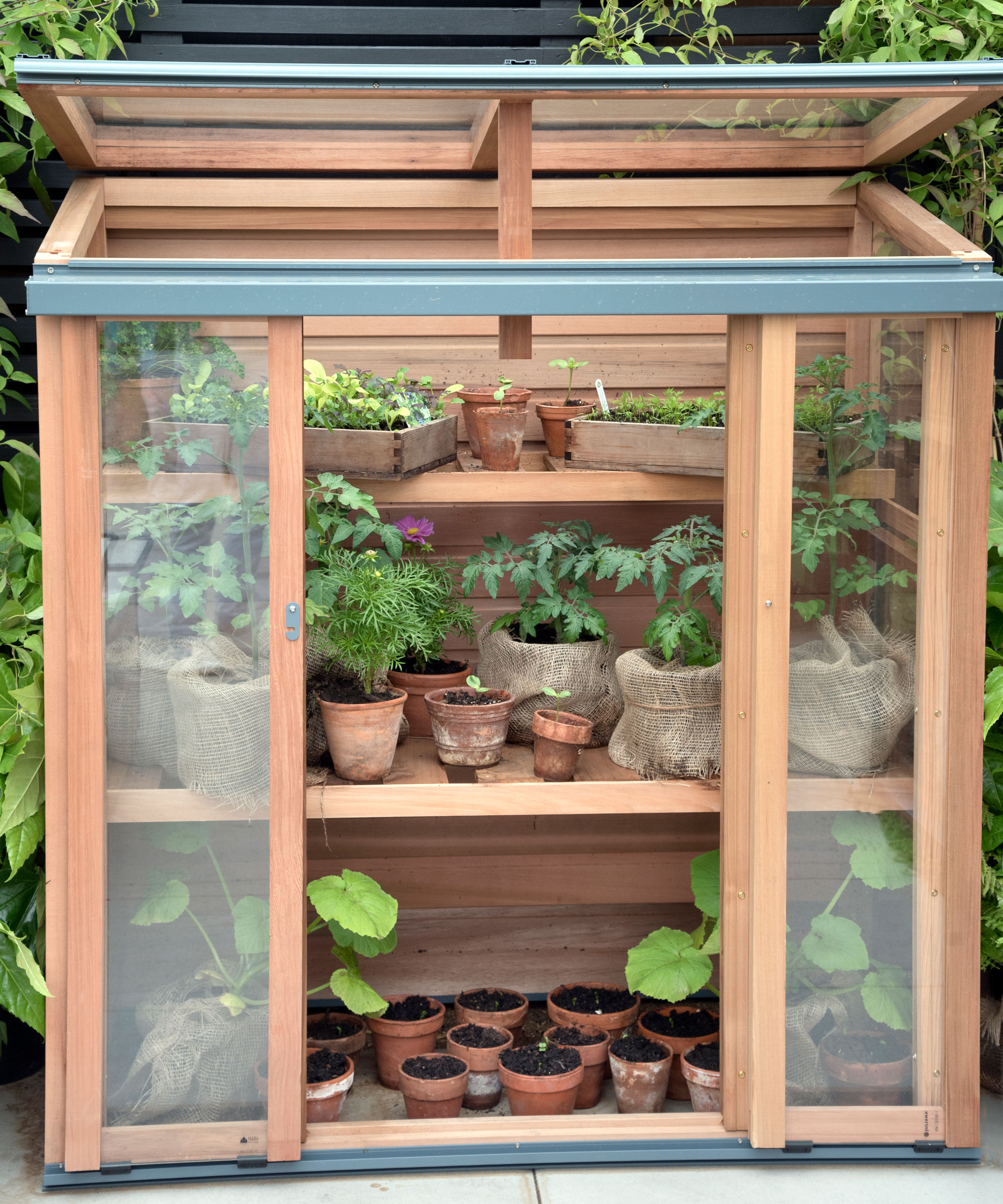
This is another impermanent, portable solution for a type of cold frame, but arguably with a bit more style.
A cold frame greenhouse takes form of a mini greenhouse, where more traditional cold frames sit low to the ground to take advantage of ground heat.
It's usually made of a wooden frame with PC windows to let light in and trap warmth. And with multiple shelves, it's a great space-saving option, maximizing capacity for plants.
They're often used in indoor gardens, too, as indoor greenhouses to grow vegetables, for example.
This cabinet cold frame is constructed from fir wood and measures 44.5"x24.8"x55.4". It has 2 adjustable shelves and the roof and door can open for ventilation.
4. Raised Bed Cold Frame
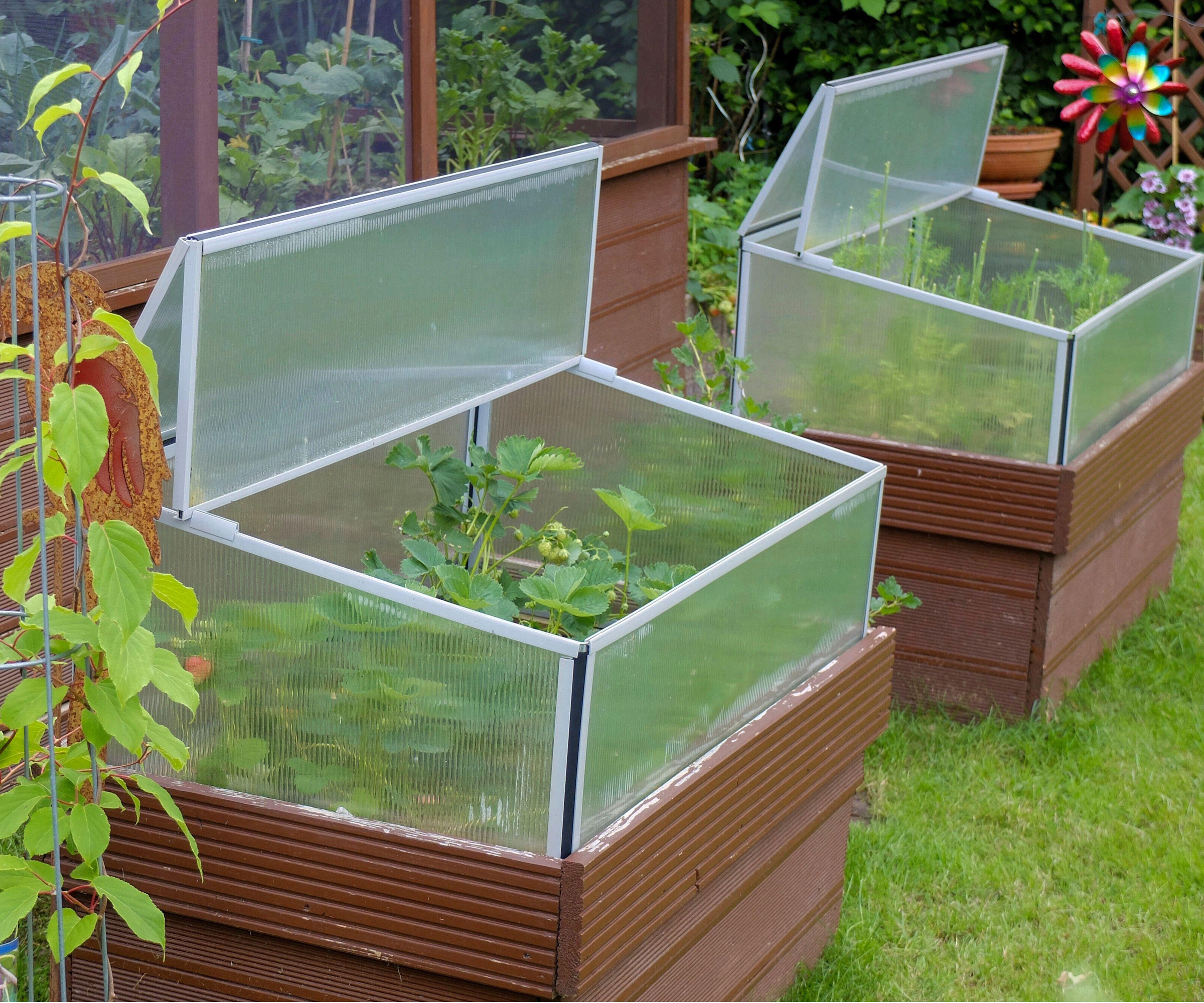
This one combines a raised garden bed and a cold frame.
It has a bed for growing space and a cold frame cover that can be placed on top.
It's a space-saving solution, good for small gardens. The lid is removable, too, so you can put it away for the growing season and put it in place for the coldest months.
An added bonus is you get all the benefits of a raised bed, with better drainage, and elevation off the floor, reducing the risk of pest damage.
This raised garden bed cold frame is constructed of wood and PC boards to let in plenty of light and trap heat. It has dual purpose, where the cold frame cover can be removed, leaving you with a raised garden bed. It measures 48"x24"x32".
5. Solar Cold Frame
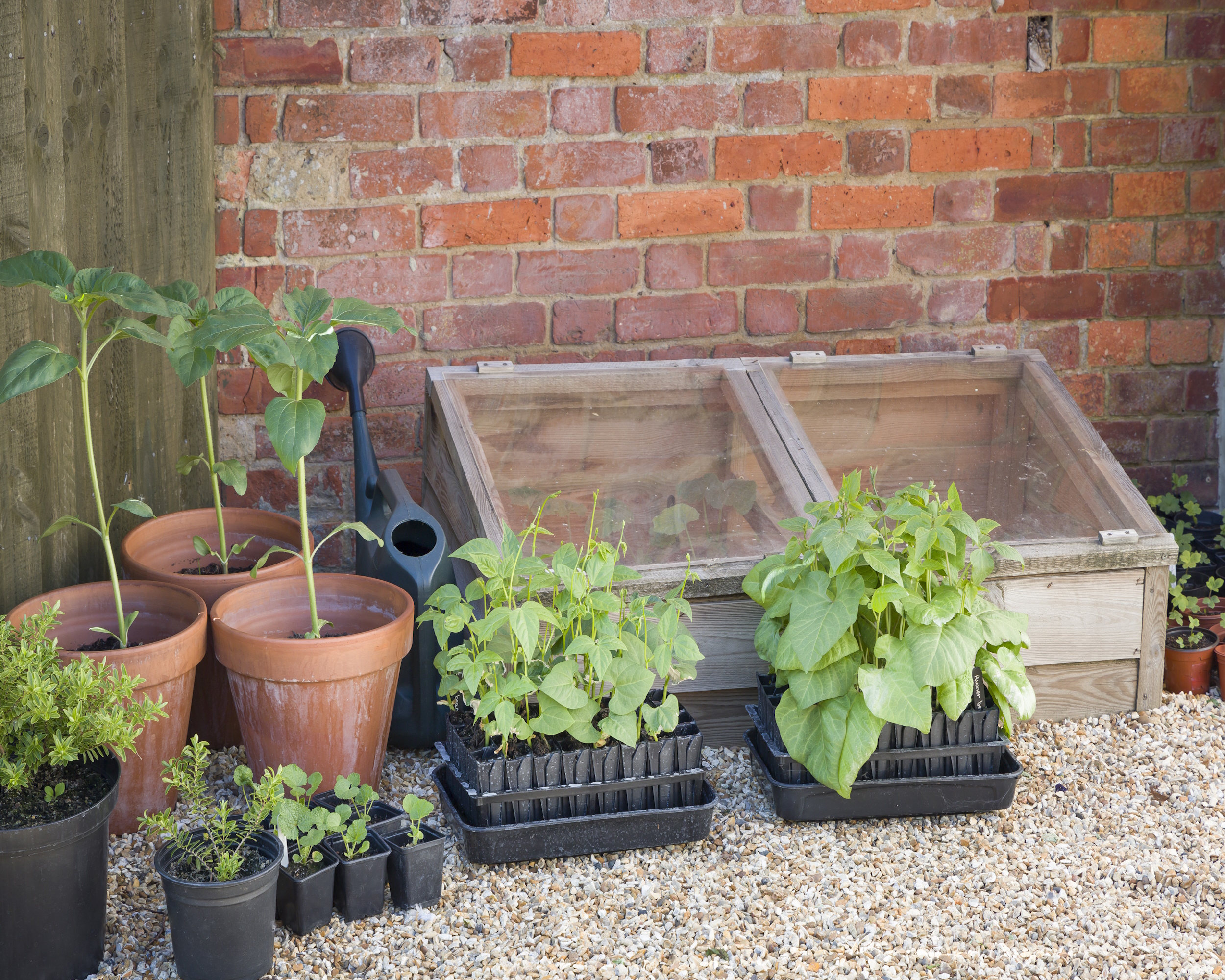
A solar cold frame is a passive approach to cold frame growing.
Like other cold frames it's bottomless, but intentionally positioned somewhere sunny (like a south-facing wall). It also has plenty of insulation, a thermal mass (like stone of brick) to capture and store heat, and it usually has a slanted roof.
Essentially, it's designed to maximize the amount of solar heat it captures and stores.
These types of cold frames are often more bespoke and can be built for the yard, much like a DIY greenhouse. You can even use wooden slats (like these from Walmart) to make your own.
You can also use the below cold frame shell to get you started on a DIY solar cold frame, then add a thermal mass to maximize heat retention:
This wooden cold frame has transparent PC panels to let light and warmth in to help plant growth and protect them from frost. The roof can be opened, acting like a vent. It measures 39"x26"x16".
FAQs
Can I Use a Portable Greenhouse as a Cold Frame?
Yes, you can use a portable greenhouse as a cold frame, but you should be aware that cold frames tend to be lower to the ground to use heat from the earth. This means plants positioned higher up in a mini greenhouse may not benefit in the same way as they might in a cold frame. Nevertheless, a potable greenhouse will protect plants from frost, much the same as a cold frame.
Beyond plants, cold frames can be used in many other ways in the yard, including protecting pots and planters from frost.
Shop Gardening Accessories
This garden apron is made from canvas. It has a neck and waist tie for a comfortable fit, as well as multiple pockets for tools.