
Get all your news in one place.
100's of premium titles.
One app.
Start reading
Homes & Gardens
Homes & Gardens
Tenielle Jordison

Nothing I Tried Stopped Gnats Until I Made These 5 Changes – My Houseplants Have Been Pest-Free Ever Since

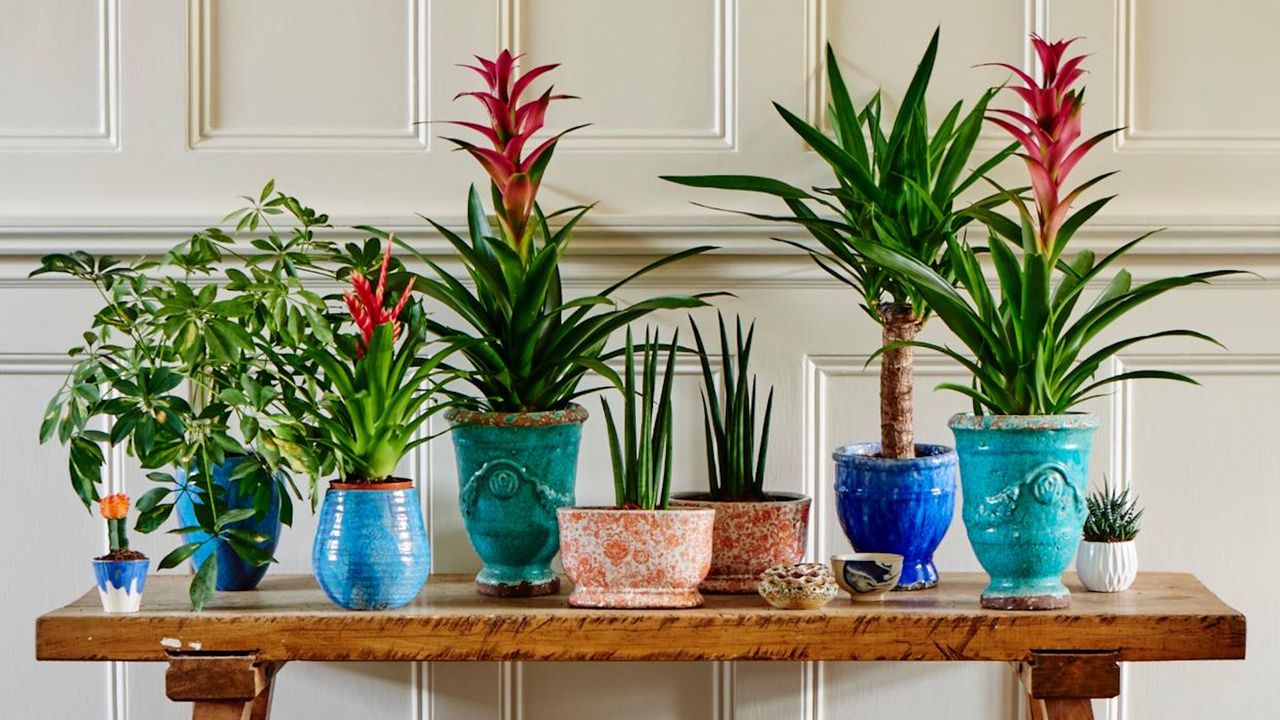
Houseplants on a table.

My home increasingly looks like an indoor jungle and I love it. Though, I'm the first to admit I've made my fair few houseplant mistakes along the way, including overwatering. This causes a lot of problems for plants, including discoloring foliage and – perhaps the most annoying – the tiny black flies known as fungus gnats.

Common indoor plant mistakes like incorrect watering often attract fungus gnats because it creates a damp and moldy environment for them to thrive in. The worst part? These little bugs multiply quickly and will take up residence in every indoor plant you have if you don't act fast (I find these yellow sticky fly traps from Amazon work every time for catching them.)

This happened to me when a houseplant gnat infestation got a little out of control, so I began researching how to get rid of gnats in plants. Ever since, I've made some adjustments to my indoor plant care regime and they're now looking the best they ever have – my indoor garden has been free of gnats ever since. So, to help you conquer these tiny pests, I've compiled my top tips to keep them away.

1. Always Use Houseplant Potting Mix

(Image credit: Cavan Images via Getty Images)

It all starts in the soil, as not every soil type will be right for every plant. For example, growing orchids, require a very light potting mix that allows for proper drainage and for aerial roots to have good airflow. This orchid potting bark from Walmart is a top choice.

So, what is the best potting soil for indoor plants? It really does depend on the specific requirements of your plant, however you should always use a well-draining potting mix for potted plants so that excess moisture doesn't become trapped in the container and cause houseplant root rot.

This is where I made my first error. In the excitement of adding new plants to my home, I used quite a dense potting soil that wasn't quite right for each of my plants – especially those that don't like soggy soil, like calatheas.

This incorrect potting mix not only creates a damp environment for fungus gnats to thrive, but it also causes foliage to turn yellow and curl.

The first thing I did in an attempt to rid my plants of gnats is change out the soil, rinsing roots down before repotting them to get rid of any fungus larvae that may be lurking below soil level.

I then sought out well-draining houseplant soil, like this indoor potting mix from Amazon, to ensure my plants wouldn't be sitting in oversaturated soil and excess water good drain easily.

'You can also amend your soil with chunky amendments like perlite (like this from Amazon) or pumice to optimize drainage,' notes Vladan Nikolic from Mr. Houseplant.

2. Maintain Good Airflow

(Image credit: FollowTheFlow via Getty Images)

It's a no-brainer that having good air circulation will prevent a damp environment and stop a build-up of fungus and mold in your houseplant soil – things that will attract fungus gnats and other common houseplant pests.

While it's true that placing houseplants close together can beneficially increase humidity for indoor plants, I also take care to ensure my plants have good air circulation by giving them space and regularly opening windows.

'Proper room ventilation is another good preventive measure against gnats. It’ll bring down excess humidity and help the soil dry faster, reducing gnat numbers as a result,' notes Julia Omelchenko, botany expert for the Plantum app.

'Aside from regularly opening your windows, you can also run a fan on low speeds where your plants are situated. Avoid cold drafts and don’t point the fan at the plants,' she adds.

You might want to invest in a fan like this tower fan from Walmart, although it's also worth researching how much it costs to run a fan 24/7 and adjust how long you have your fan on accordingly.

Ensuring there is good air circulation around my houseplants has also helped to keep larger plants, like my monstera, looking brighter, as my houseplants capture less dust.

3. Allow Houseplant Soil to Dry

(Image credit: Evgen_Prozhyrko via Getty Images)

The root of all gnat problems is dampness and incorrect moisture levels in soil, so I learned very quickly that you need to give your plants time to dry out in order to effectively get rid of a houseplant gnat infestation.

This may sound concerning if you have particularly thirsty houseplants that don't like to sit in dry soil, however allowing a period of dryness to clean up your gnat problem will leave your plants happier in the long term.

'The first and easiest remedy for a gnat infestation is to allow the soil to dry out. Hold off watering until at least the top half of the soil has dried. Let the soil dry completely if you have succulents,' says Vladan.

'Fungus gnats dislike dry soil, and they can’t survive in dry conditions. To help your plants absorb water faster and speed up soil drying, give your plants more light,' he adds.

I also opt for terracotta indoor planters and pots with drainage holes for my indoor plants, which aids drainage and speeds up the drying out process. These terracotta pots from Amazon are a good example.

Get Rid of Fungus Gnats for Good

Use these sticky fly traps to capture fungus gnats and stop them from spreading to more indoor plants.

This indoor potting mix is a special blend for houseplants. It's nutrient-rich and well-draining.

Use this soil moisture meter to monitor your houseplants' watering needs. You'll never over or underwater again.

4. Ditch a Watering Schedule

(Image credit: Pixel-shot via Alamy Stock Photo)

Not only do you need to allow your soil to dry out to get rid of a houseplant gnat infestation, but it's also important to improve your watering regime going forward to avoid creating a damp environment again.

Knowing when to water plants is something that took me a little while to master, and every novice houseplant owner will have to tackle the hurdle of becoming familiar with the watering requirements of new plants.

The rule of thumb is to always check your soil before watering your houseplants, as there is no set frequency for every plant.

'The watering frequency depends on plant species and environmental factors, but you should always let at least the top inch of the soil dry out,' notes Vladan.

'Optimal watering is important not only to ensure good plant health but to prevent fungus gnat infestations as well. Water each plant according to its requirements, allowing the topsoil to dry off between watering,' says Julia.

'Check the soil moisture level with your finger or a wooden stick,' she adds.

Before I experienced gnat infestation, I tried establishing a watering schedule – often once a week for most of my plants. Now, I never water my houseplants without a moisture meter (like this soil moisture meter from Amazon.) It allows you to check how much of the soil has dried in your plant pot, ensuring you don't over or underwater again.

5. Use Sticky Fly Traps

(Image credit: Dima Berlin via Getty Images)

Amending the moisture levels in your soil isn't enough to get rid of adult fungus gnats that are already flying around. Instead, they need to be captured to stop them lay any more eggs in your houseplants' soil.

These sticky fly traps from Amazon helped me to rid my indoor garden of gnats quickly. They're simple to use, as you just place them in your plant pot and it will capture flying gnats.

'Since gnats are attracted to yellow color, they fly towards the sticky traps and get stuck,' explains Vladan.

Depending on how severe your infestation is, you may find you need to swap out your sticky fly traps with new ones a few times. Just take care to not get them stuck to the foliage of your plants, as it could rip leaves and cause damage.

These traps will also help with other pests and can be used outdoors, too. Going forward, it can be a good idea to pop these fly traps in plants as soon as you spot gnats to prevent an infestation developing.

Shop Our Houseplant Edit

This beautiful planter has a vintage feel with its floral design. Its ceramic and measures 10x9.5x9.5", ideal for small and medium plants.

Use these pebble humidity trays to boost humidity levels for your moisture-loving houseplants.

A grow light can aid houseplant growth, especially during winter and early spring when daylight is limited.

FAQs

How Long Does It Take to Get Rid of a Gnat Infestation?

Fungus gnats have a lifespan of one to two weeks, so it is recommend to persistently tackle a gnat infestation for up to two months to get rid of the problem entirely. This means not only capturing the adult gnats that are flying around, but also tackling the larvae and eggs in the soil that are yet to hatch. Maintain an uninhabitable environment in your plant's soil for a few weeks at a time and you should see your gnat problem disappear.

Can I Use Insecticides to Get Rid of Gnats?

Yes, you can use insecticides to get rid of gnats. However, be aware that some of these products contain chemicals that many are hesitant to release into their plant's soil. Some products that experts recommend include neem oil spray, like this neem oil from Amazon, and mosquito bits, like these mosquito bits from Amazon.

'Mosquito bits are pellets made of corn cob. They contain the bacteria Bacillus Thurigiensis israelensis (BTI), which is effective against fungus gnats,' notes Vladan Nikolic from Mr. Houseplant.

'Put Mosquito bits in water that you use to water your plants. Mix 4 tablespoons of mosquito bits per half a gallon of water. Leave them in for about 30 minutes so BTI can separate from corn cobs and be released into the water. Gnat larvae will eat BTI and die,' he adds.

We recommend always researching insecticides before use and following manufacturer instructions.

After around six weeks of consistently tackling my gnat infestation, there wasn't a gnat to be seen. I have since continued to provide my houseplants with this optimal care and they look healthier than ever.

If you're struggling to tackle a gnat infestation, try one of these DIY gnat traps to help eliminate them from your home. Alternatively, you can try the hack to get rid of fungus gnats using a potato.

If you love inspiring garden ideas, outdoor advice, and the latest news, why not sign up for our newsletter and get the latest features delivered straight to your inbox?

Sticky Fly Traps Indoor Potting Mix Soil Moisture Meter Vintage Floral Planter Pebble Humidity Tray Bamboo Grow Light
Sign up to read this article
Read news from 100's of titles, curated specifically for you.
Already a member? Sign in here
Related Stories
Top stories on inkl right now
One subscription that gives you access to news from hundreds of sites
Already a member? Sign in here
Our Picks
Fourteen days free
Download the app
One app. One membership.
100+ trusted global sources.