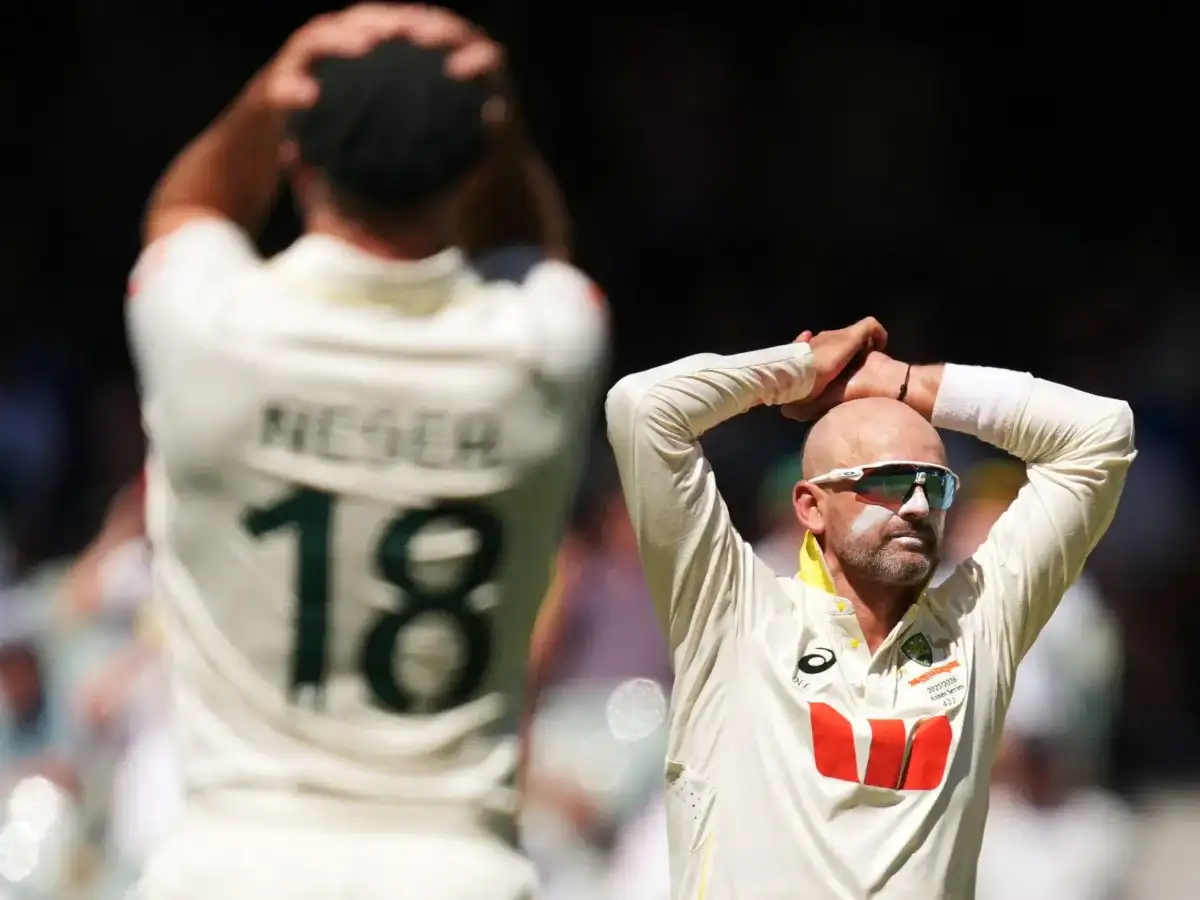
Wellington: New Zealand officials hit out behind closed doors at their Australian counterparts over a "unilateral" breach of a treaty they dubbed "in poor form and certainly not cricket", documents obtained by AFP showed.
The trans-Tasman neighbours enjoy strong cultural and diplomatic ties but have been known to clash -- most notably over sport and who invented the pavlova, a meringue-based dessert.
But documents obtained under official information laws by AFP also revealed tensions behind the scenes this year over a controversial change to a tax treaty between the antipodean partners.
In a briefing to ministers, New Zealand officials said Australia's decision to "unilaterally" override their treaty obligations "without consultation or negotiations" was "in poor form and was certainly not cricket".
Under the changes to the law, non-resident New Zealanders can face additional taxes when buying property in Australia.
In response to the briefing, officials were urged to "fight this much harder", the documents show.
Foreign minister Winston Peters and finance minister Nicola Willis sent a letter in April to their Australian counterparts decrying the taxes as "inconsistent with Australia's treaty commitments to New Zealand".
The language is less testy than during a low ebb of ties in 1981, when Australian cricket captain Greg Chappell ordered his younger brother Trevor to bowl an underarm delivery to prevent any chance of a New Zealand win in a move widely seen as unsportsmanly.
New Zealand's then-Prime Minister Robert Muldoon condemned it as an "act of true cowardice" and said it was "appropriate that the Australian team were wearing yellow".
New Zealand officials may hope their protests deliver a similar outcome now as they did back then -- a law change which prevents a similar controversy in the future.
In response to an inquiry from AFP, a spokesperson for Australia's Department of the Treasury said: "Treasury continues to engage closely with New Zealand counterparts on this and other matters as part of the current renegotiation of our tax treaty."