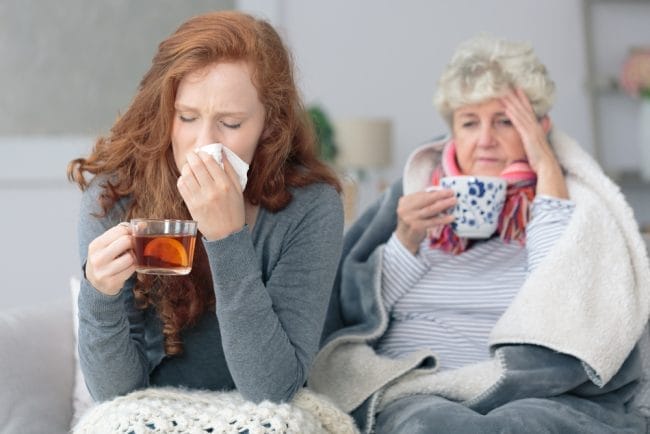
As winter sets in, health experts note a sharp rise in norovirus cases across the country. This highly contagious virus, often called the “winter vomiting bug,” causes acute inflammation in the stomach and intestines. While many people mistake it for the stomach flu or food poisoning, norovirus is a unique and resilient pathogen. Doctors want you to understand the specific warning signs and how to protect your household during this surge.
Telltale Symptoms and Timing
The hallmark of a norovirus infection is its sudden and intense onset. Symptoms usually appear between 12 and 48 hours after exposure. Most patients experience abrupt, forceful vomiting and watery diarrhea. These primary symptoms often come with stomach cramps, nausea, and a low-grade fever.
Some individuals also report headaches and general body aches. While the illness typically lasts only one to three days, the physical toll is significant. Adults often experience more diarrhea, while children tend to vomit more frequently. If your symptoms appear within a few hours of eating, you might have food poisoning instead. Norovirus generally takes at least a full day to manifest.
Why the Virus Spreads So Easily
Norovirus is incredibly hardy and requires only a tiny amount of particles to infect a person. A single person can shed billions of virus particles, but it takes fewer than 100 to make someone else sick. The virus survives on surfaces like doorknobs and counters for up to two weeks. It even resists many common household cleaners and high heat.
Transmission typically happens through the fecal-oral route. This occurs when you touch a contaminated surface and then touch your mouth. You can also catch it through direct contact with an infected person or by consuming contaminated food and water. Because people remain contagious for several days after they feel better, the virus moves quickly through schools and workplaces.
The Hand Sanitizer Myth
One of the most important things doctors want you to know is that hand sanitizer does not work against norovirus. Most alcohol-based gels fail to kill the virus’s protective outer shell. To remove the virus, you must wash your hands thoroughly with soap and warm water for at least 20 seconds.
Clean your hands after using the bathroom, changing diapers, or caring for someone who is ill. Always wash before preparing food or eating. If someone in your house gets sick, use a bleach-based solution to disinfect high-touch surfaces. Standard wipes often lack the strength to neutralize this specific germ.
When to Seek Medical Attention
The greatest risk during a norovirus surge is dehydration. Constant vomiting and diarrhea deplete the body of essential fluids and salts. Young children and older adults face the highest risk for complications.
Watch for warning signs like decreased urination, a very dry mouth, or feeling dizzy when standing up. In children, look for lethargy or crying without tears. Seek immediate medical care if you see blood in the stool, experience severe abdominal pain, or cannot keep any liquids down for 24 hours.
If you are recovering from a stomach bug, stay home for at least 48 hours after your symptoms stop. This helps prevent further spread in your community.
Have you or your family been hit by this year’s stomach bug? Tell us about your early symptoms in the comments.
What to Read Next…
- Norovirus Is the One Nobody Plans For: 7 Ways It Spreads in Homes (Even When You’re Careful)
- Salmonella Outbreak 2026: Check Your Pantry for These Two Common Health Supplements
- Health Alert: FDA Detects Multiple Pathogens, Dog Food Brand Won’t Recall Products
The post Norovirus Is Surging This Winter — Here’s What Doctors Want You to Watch For appeared first on Budget and the Bees.