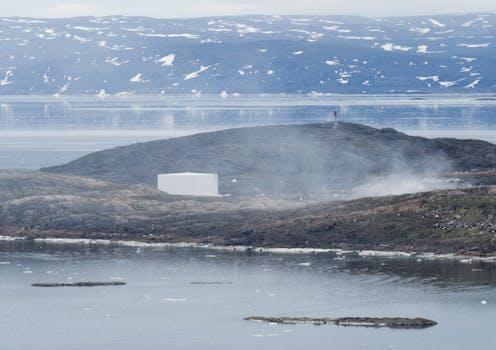
Last year, Harry Towtongie, the mayor of Rankin Inlet, Nunavut, bemoaned how toxic substances released from the community’s dumpsite into the nearby ocean have been harming local food sources. He said the dumpsite was full and overflowing, and must be decommissioned before a new one is built, but financial support is not readily available.
Many First Nations, northern and remote communities face similar struggles as they find it difficult to properly manage municipal solid waste (MSW). They also often lack access to waste diversion programs, such as recycling. Inadequate funding and infrastructure, lack of capacity, unfavourable weather conditions, small population sizes and socio-economic factors add to their woes, making waste management a daunting task. Burning and burying waste have, therefore, become common management practices in these remote communities.