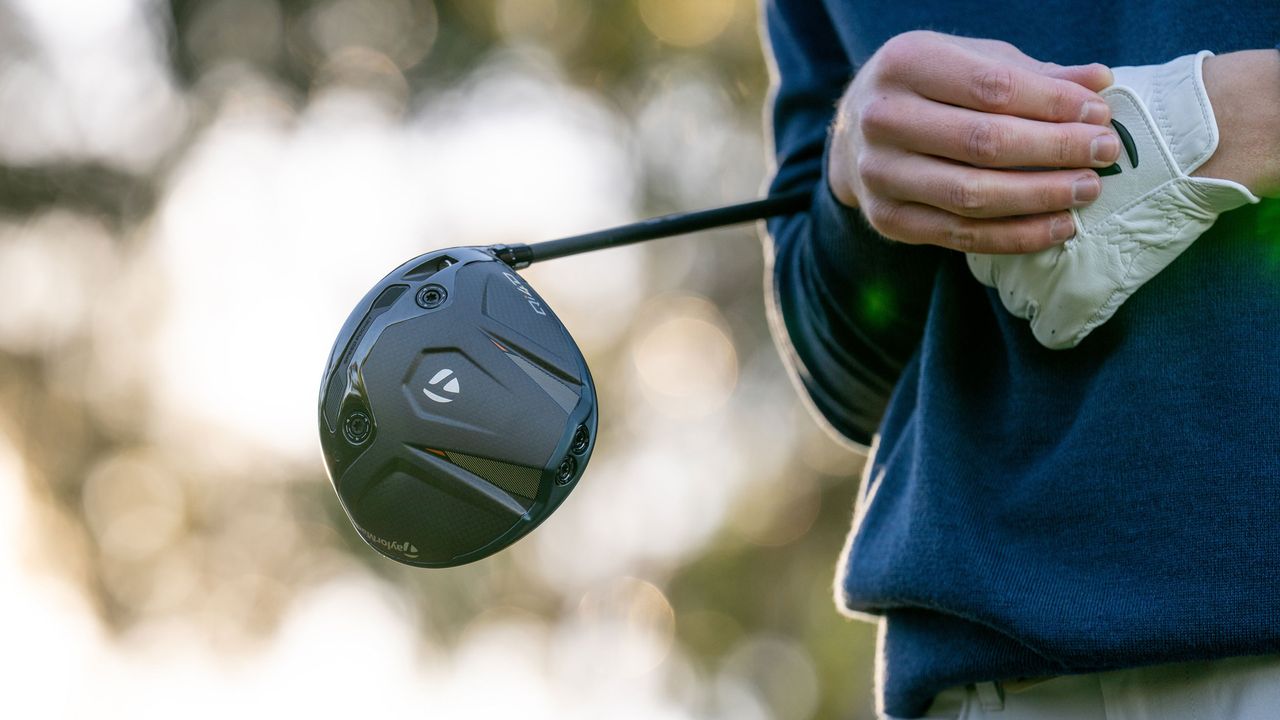
In a move that marks a significant shift in the modern golf equipment landscape, TaylorMade Golf has officially announced it will transition to a two-year product release cycle for its metalwood franchises, effective immediately.
The decision sees the industry titan step away from the annual launch calendar that has defined its business model for over two decades. By moving to a biennial schedule, TaylorMade aligns itself with competitors like Titleist, Ping, and Srixon, brands that have long found success - and consumer loyalty - by giving their flagship technologies more time to breathe in the marketplace.

A Win for Retailers and Consumers
Industry analysts and retailers have greeted the news with widespread approval. For years, the ‘January Launch’ meant golf shops were regularly left with significant excess inventory from the previous year, forcing aggressive discounting that eroded profit margins.
Under the new two-year cycle, retailers will have a far greater opportunity to achieve full sell-through of products without the looming shadow of a replacement model arriving just twelve months later.

This stability extends to the consumer as well.
A TaylorMade driver is generally a premium investment, and golfers have often voiced frustration when their ‘state-of-the-art’ purchase was rendered a ‘previous generation’ model within a year.
This shift ensures that a customer’s driver remains the current, in-line product for a full 24 months, better protecting both its resale value and prestige.
Fitters will also gain more experience with the products they are fitting, potentially leading to greater performance gain.

Innovation Over Iteration
From a technical standpoint, the move also seems in part designed to supercharge TaylorMade’s Research and Development teams. The pressure of an annual cycle can often lead to ‘evolutionary’ tweaks rather than ‘revolutionary’ breakthroughs. By doubling the development window, TaylorMade’s engineers now have the breathing room to pursue more ambitious technical leaps.
Stability on the Professional Tours
The impact of this decision will also be felt deeply on the professional tours around the world. Professional golfers are notoriously meticulous about their equipment, and the transition period for a new driver can be fraught with difficulty.

We saw this firsthand during the struggle to move marquee names like Rory McIlroy and Scottie Scheffler into the Qi35 driver from the older Qi10 model. Both players expressed extreme comfort with the older head, leading to prolonged testing periods, and a ‘will he, won’t he?’ scenario that played out under the public eye.
By extending the product life, TaylorMade’s tour staff can build deeper confidence in their equipment without being ‘encouraged’ to switch to a new model every January. This stability is expected to foster better performance and reduce the friction that can often accompany the adoption of new gear during the high-stakes early season.

As the industry adjusts to this new normal, all eyes will be on how TaylorMade’s first two-year flagship range in Qi4D - expected to carry the brand through 2027 - performs against the market.
For now, the message is clear: the race for speed is no longer a sprint, but a calculated, two-year marathon.