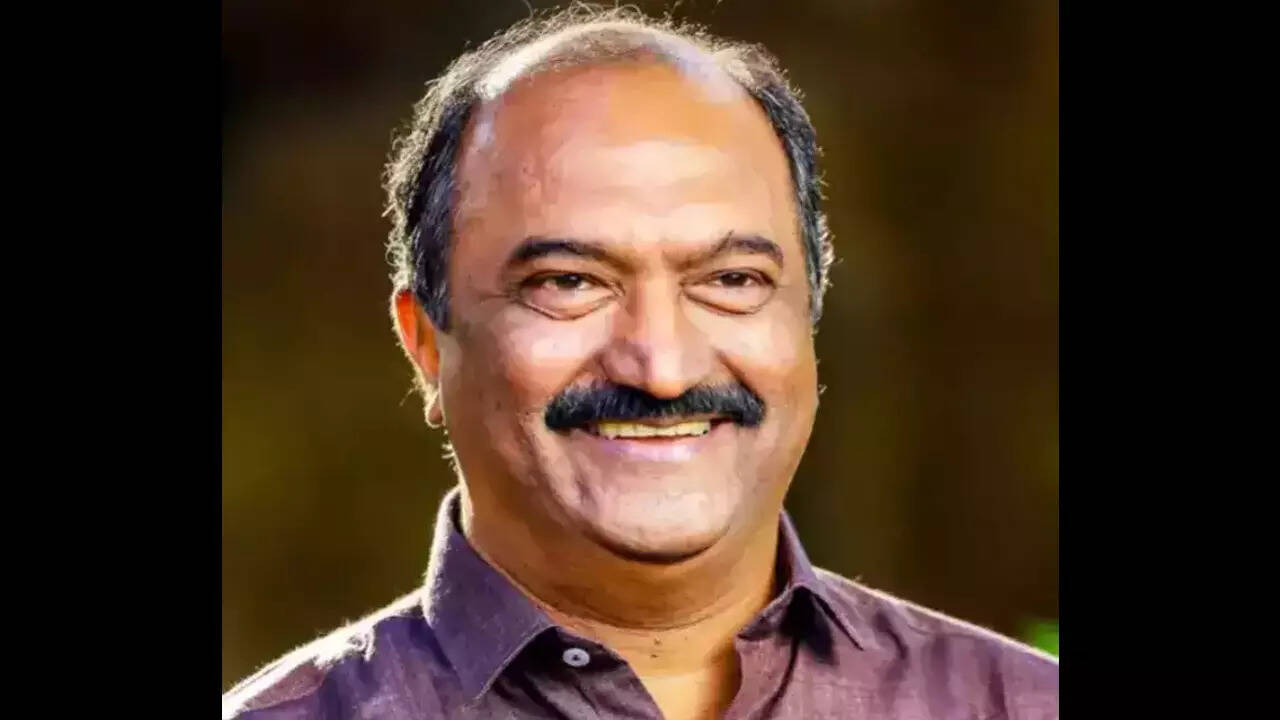
THIRUVANANTHAPURAM: The state budget being presented on Friday would be a realistic one without frills and fancies. "Don't expect any magic. I am doing a tight-rope walk," said finance minister KN Balagopal here on Tuesday during a pre-budget interaction with the media.
At the outset, the minister ruled out the scope for the introduction of tax on liquor and automobiles, two prominent areas the state government generally explored in pursuit of big money. "There could be restructuring in certain areas to improve the tax and non-tax revenue. Those things are being finalized," he said. Some of the major suggestions pending before the government is to revise land tax directly proportional to its value and increase various government service fees.
Considering the significant improvement in tax collection, the financial position of the state doesn't look abysmally bleak. "There are some green shoots. We can turn things around if we get our due share of tax revenue from the Centre," he said.
In the given situation, Balagopal hopes that the central government would accede to the demand of states for extension of GST compensation. "Or else, the Centre would have to put in place some other compensation mechanism. The Centre is bound to share with states a significant portion of the tax collection. Several states have demanded that the Centre should share 60% of the total tax collection from the state," Balagopal said.
"The budget is being prepared on the assumption that the GST compensation would continue beyond the current fiscal. The state has been denied at least Rs 20,000 crore of tax revenue annually following the introduction of the GST regime," he said.
One of the major areas of focus of the budget would be new schemes and programmes in higher education. Industry academia linkage and research to product development assistance and empowerment of students and youth to successfully market their products would get a renewed thrust. "When we talk about a knowledge economy, the focus is not just on IT and allied sectors. Knowledge being explored for its commercial and professional potential can be varied. Also, the skilling of potential candidates for industries should be tailormade, not readymade," said the minister.