For as long as she’s been famous, Gwen Stefani has been everything all at once. As the frontwoman of the pop-ska-punk group No Doubt, she was a day-glo Debbie Harry, sporting bindis, adult braces and layers of concert sweat. At gigs, she moved like Iggy Pop, her body as flexible and unpredictable as a spring. Once she went solo, she was a David LaChapelle portrait come to life – a hyper-real yodeller and pop queen who rapped about bananas alongside a troupe of Japanese back-up dancers. Her transformations were seamless, every one of them feeling as natural as slipping on a new skin. Perhaps because there was something underneath them that stayed consistent: she wrote about heartbreak better than anyone.
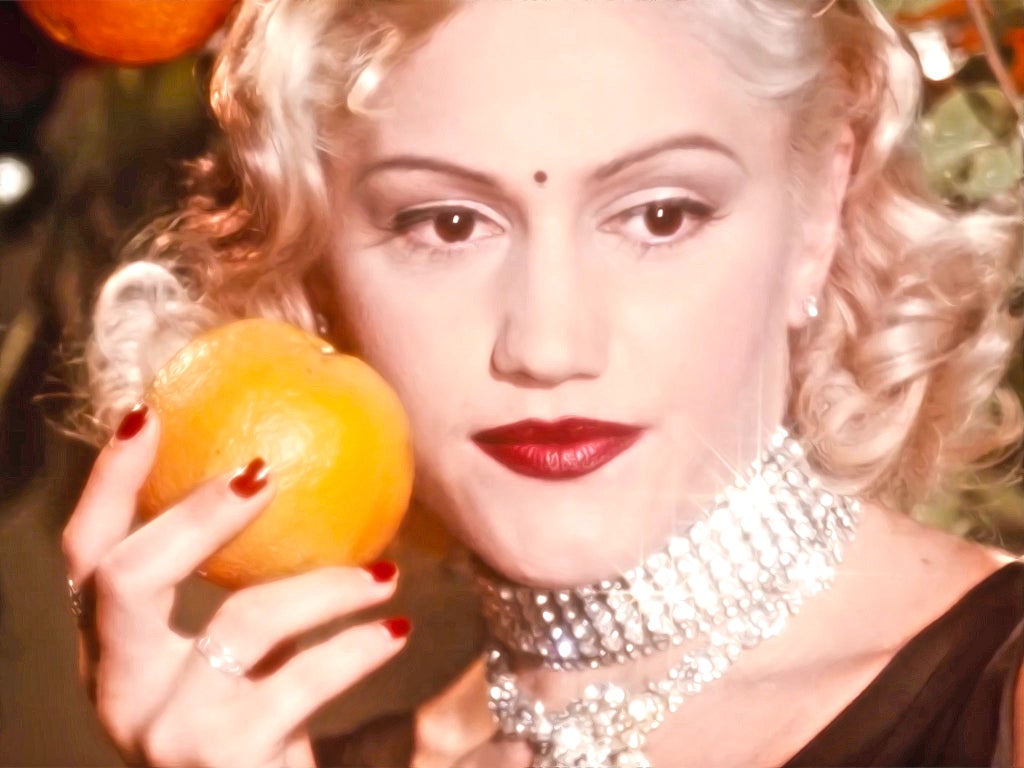
Twenty-five years ago next month, Stefani cemented herself as pop’s patron saint of tears. The single “Don’t Speak” – an angry yet devastated mid-tempo ballad about losing your best friend and lover – also transformed No Doubt into a late-Nineties phenomenon. In its video, Stefani is three different versions of herself: an anarchic rock star on stage, a glamorous solo act with diamonds around her neck and a band that resents her, and a wounded young woman whose only hope of recovery is pouring her heart out. Released in the UK in February 1997, it topped the charts for three weeks, an instant classic.