While Leica gave the 35mm film format some respectability during the 1930a, 40s and 50s with its rangefinder cameras, it still wasn’t really considered a serious tool for the working photographer. A few adventurous souls had adopted the 35mm rangefinder camera for its compact size and speed of use, but beyond photojournalism, the professional scene was dominated mainly by rollfilm cameras – such as the twin lens reflexes (TLRS) – or large format cameras, either for the studio or the field.
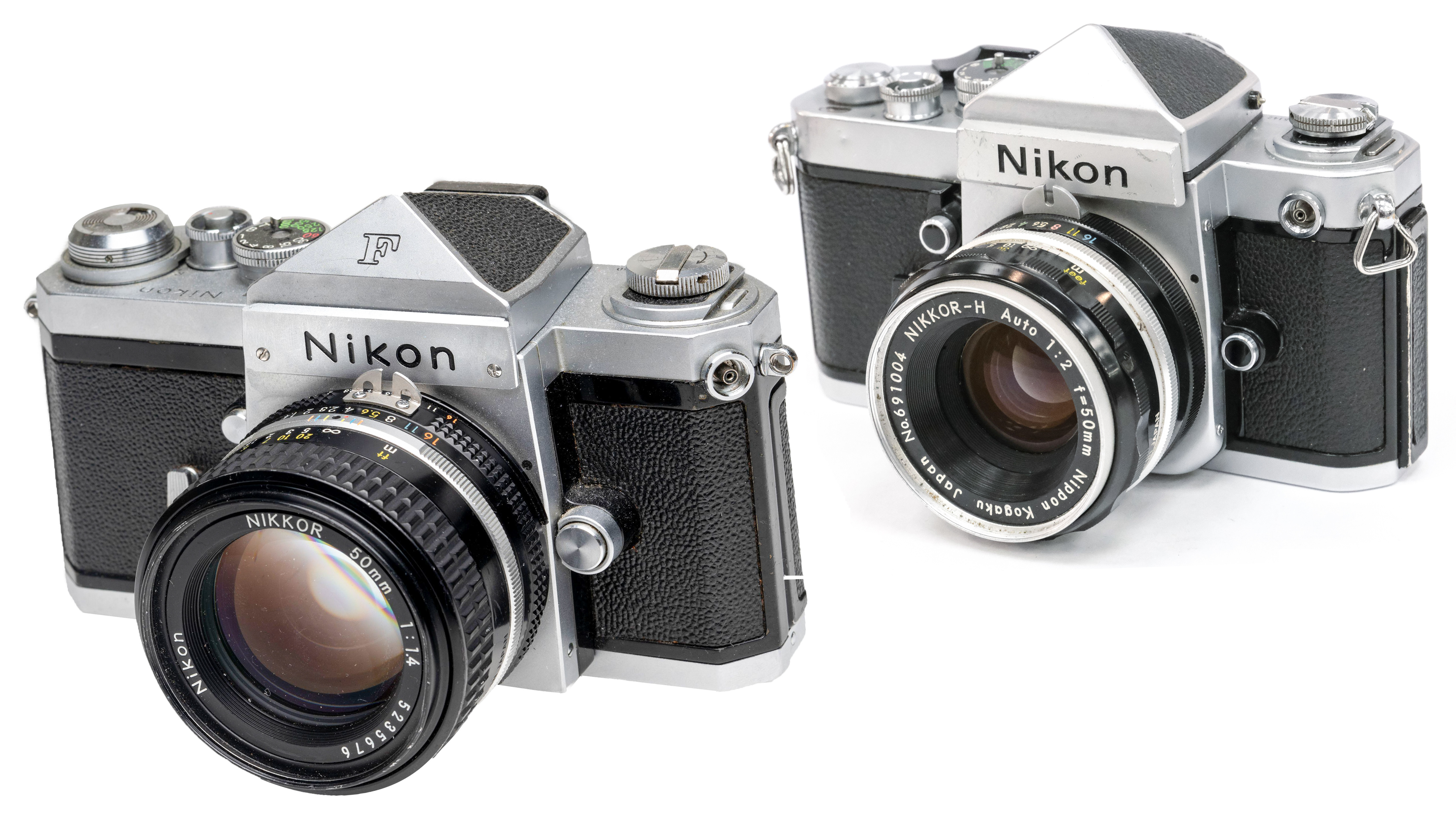
Prior to 1959, the 35mm SLR was primarily considered an amateur’s camera and, frankly, the existing models really didn’t offer the same degree of flexibility as the larger format equipment. Nikon started making 35mm cameras in 1948 (although the company’s history in optics dates back to 1917), and these were S series rangefinder models which established the company’s reputation for well-featured and well-made products. The line culminated in the SP (the ‘P’ is generally accepted to stand for ‘professional’), which had a titanium-bladed shutter with a top speed of 1/1000 second and it could be fitted with a battery-powered motordrive, enabling film advance at up to three frames per second. Launched in 1957, the SP was very popular with photojournalists and went to war with a number of famous names, establishing Nikon’s credentials as a maker of professional-grade cameras. The next step was obvious... an SLR.