For decades, New York Harbor was better known for its skyscrapers, ferries and heavy shipping traffic than for oysters. But beneath the surface, a quiet restoration effort is trying to bring back one of the harbor's once-important inhabitants.
The Billion Oyster Project is working toward an ambitious goal: restoring 1 billion oysters to New York Harbor by 2030. The project says more than 200 million oysters have already been restored, alongside the rebuilding of nearly 19 acres of oyster reef habitat.

What happened to New York’s oysters?
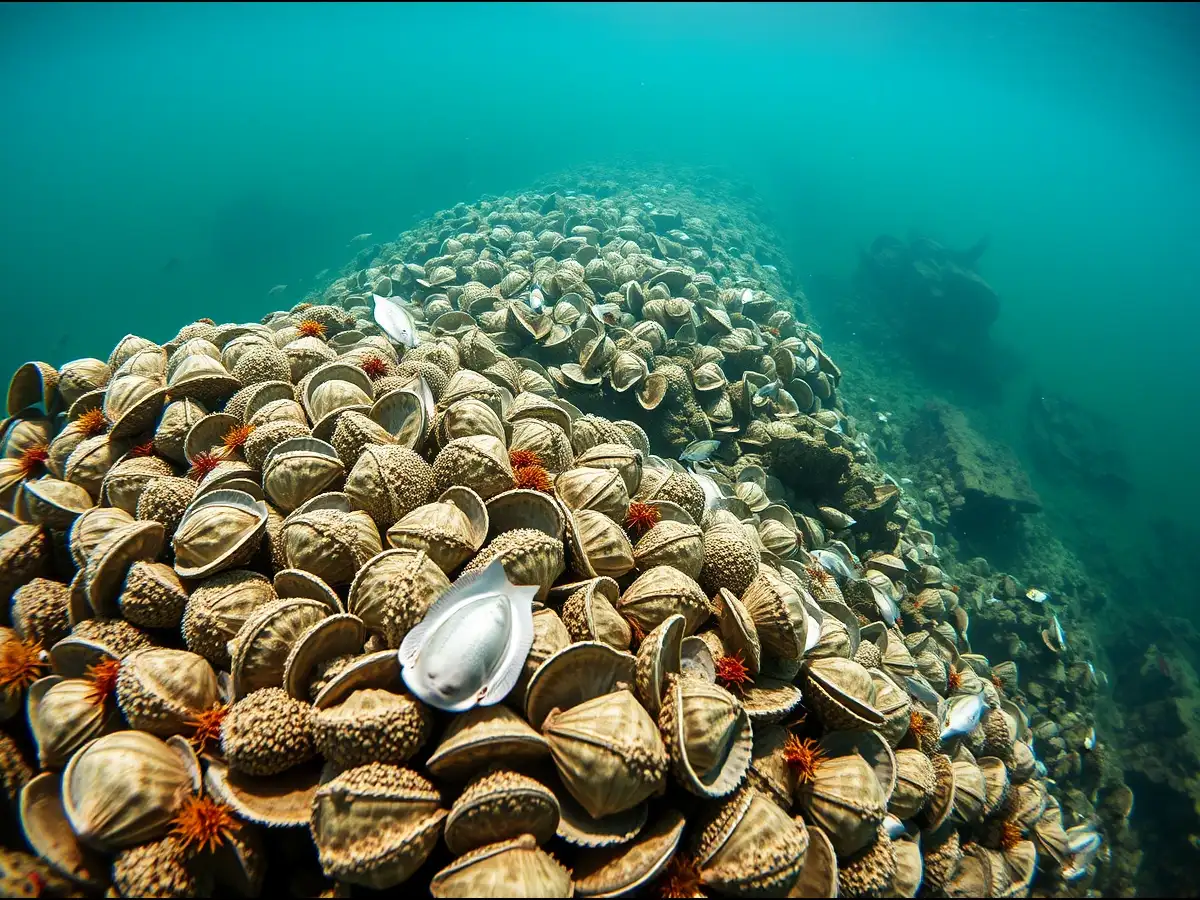
Oyster restoration holds particular significance because oysters were once a crucial element of New York Harbor’s ecosystem. Prior to extensive urban development, pollution, and intensive harvesting, vast oyster reefs covered large areas of the harbor's waters. Oysters also constituted a major part of New York’s food economy, with the city's oyster industry once supporting enormous harvests. However, over time, pollution, habitat destruction, overharvesting, and alterations to the harbor environment led to the collapse of the oyster population. The Billion Oyster Project is endeavoring to reverse some of this historical loss by rebuilding reefs and reintroducing oysters to suitable areas within the harbor.
Millions of discarded shells are getting a second life
New York City restaurants are contributing hundreds of pounds of discarded oyster shells daily to the Billion Oyster Project. These shells are then collected and transported for restoration efforts instead of being sent to landfills. The Billion Oyster Project reports that its restaurant network provides more than 300,000 pounds of oyster shells annually. This amounts to roughly 800 pounds collected each day. These shells are particularly valuable because they offer the hard surface that young oysters require to settle and grow. What begins as waste on a restaurant plate can thus become an integral part of the physical structure of a new underwater reef.
The discarded shells cannot be placed directly into the water after collection. They first undergo a lengthy curing process. This process is designed to remove remaining organic material and minimize the risk of introducing harmful organisms into the harbor. The Billion Oyster Project processes these shells on Governors Island. There, they are cleaned and left to cure for several months. This curing period can extend to nearly a year, ensuring the shells are suitable for restoration work. Once prepared, they are incorporated into reef structures and serve as substrate for young oysters. This meticulous process converts what would have been food waste into a safe and beneficial material for marine restoration.
After curing, the shells are used in conjunction with concrete structures. This combination creates complex surfaces where oysters can settle. Oyster larvae need hard substrate to attach to as they develop, making old oyster shells especially useful for reef restoration.
Why does an oyster matter?
Oysters are more than just reef-building organisms; they are filter feeders. They remove suspended particles from the water as they feed. Consequently, a large and healthy oyster population can contribute to clearer water and improved ecosystem conditions. The benefits extend beyond the oysters themselves, as reefs provide shelter and surfaces for other marine organisms. The Billion Oyster Project's latest monitoring efforts recorded 44 different taxa of fish, crabs, shrimp, and other invertebrates utilizing restored reef areas. This indicates that the developing reefs are functioning as habitats for a broader community of marine life, rather than solely serving as locations for transplanted oysters.
The restored reefs may also contribute to New York's broader initiatives to enhance the resilience of its waterfront. Oyster reefs possess the ability to absorb some wave energy and create natural habitats along coastal areas, positioning them as examples of nature-based infrastructure. While not a substitute for engineered flood protection, healthy reef systems can be integrated into a comprehensive strategy for protecting coastal ecosystems. Their value lies in their multifaceted functions: providing habitat, supporting biodiversity, filtering water, and potentially reducing the energy of waves reaching vulnerable shorelines. This makes oyster restoration relevant not only to conservation efforts but also to the long-term environmental resilience of New York Harbor.
The goal is 1 billion by 2030
The Billion Oyster Project's current target is to restore 1 billion oysters by 2030. The organization says the goal represents an effort to restore a population and reef system that was once an important part of New York Harbor.
The project also involves monitoring restoration sites and collecting data to understand how the reefs develop over time. Its public data portal provides information from restoration and monitoring work.
The project's own explanation of the 2030 target, published in May 2026, describes the billion-oyster goal as part of a broader effort to create a self-sustaining oyster population rather than simply release a fixed number of animals.