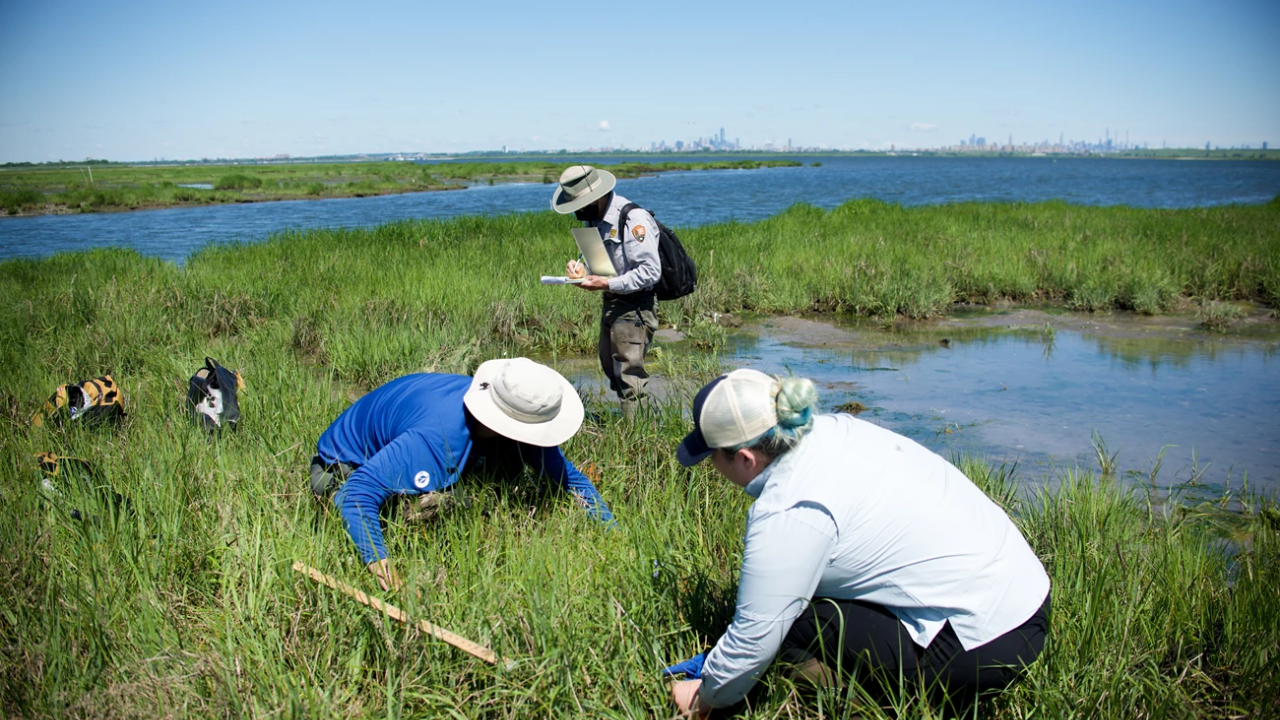
In 2003, a restoration effort at New York City’s Big Egg Marsh took a major step when National Park Service scientists and 100 volunteers planted 20,000 smooth cordgrass seedlings across an area that had been raised with clean sand. The work was part of an experiment to restore a salt marsh in Jamaica Bay, where marshes had been disappearing for decades. The seedlings faced early setbacks, including grazing by geese, tides and marine debris. The vegetation continued to spread. Just two years into the restoration, more than 80% of the experiment site was reported to be vegetated and healthy, offering an encouraging result for the damaged marsh. The project also showed how carefully designed restoration can help rebuild habitat in heavily altered coastal areas. As the cordgrass established itself, it provided vegetation that could support wildlife while helping the marsh regain some of its natural ecological functions over time.
Get breaking news anytime, anywhere. Download the TOI app now!