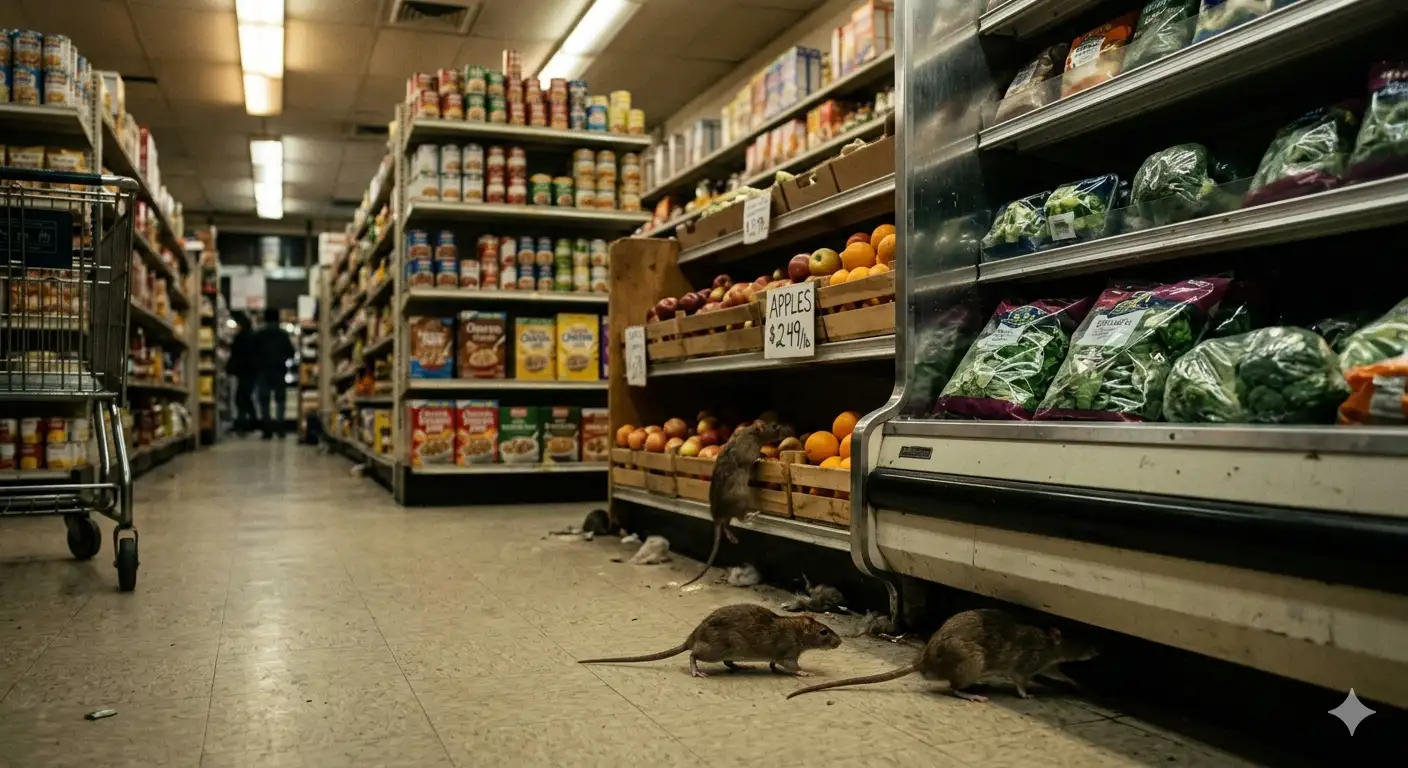
Rat problems across major US cities are rising again in pest-control rankings, with New York City, Chicago, and Los Angeles consistently appearing among the worst affected. Experts say the issue is less about “dirty streets” and more about how modern cities are built — especially waste systems, dense populations, and underground infrastructure.
From subway tunnels to ageing sewer networks, US metros unintentionally create stable environments where rodents can thrive all year.

Why Rats Thrive in Big US Cities
Across American cities, the pattern is surprisingly consistent:
High population density produces constant food waste
Old sewer systems create safe underground movement routes
Subway networks act as hidden shelter zones
Construction activity disrupts habitats and spreads rodents
Warm climates or indoor heating allow year-round survival
In short, urban growth itself has created ideal survival conditions for rats.
List of rat-infested cities in US
| Rank | City | State |
|---|
| 1 | Los Angeles | California |
| 2 | Chicago | Illinois |
| 3 | New York City | New York |
| 4 | San Francisco | California |
| 5 | Hartford | Connecticut |
| 6 | Washington, D.C. | District of Columbia |
| 7 | Detroit | Michigan |
| 8 | Philadelphia | Pennsylvania |
| 9 | Minneapolis | Minnesota |
| 10 | Denver | Colorado |
New York City: Waste + Subway Network Fuel the Problem
New York City remains one of the most discussed rat hotspots in the US.
Huge daily volume of street-level garbage
Subway tunnels and basements form a vast underground network
Dense population increases food waste concentration
Rats remain active throughout the year
Despite ongoing pest-control efforts, the scale of the city makes complete control extremely difficult.
Chicago: Old Infrastructure Keeps Rats Active
Chicago’s rat problem is strongly linked to its historic urban design.
Old alley-based garbage systems still influence movement patterns
Subway tunnels and river-adjacent infrastructure create connectivity
Seasonal weather forces rats indoors during colder months
Control efforts require repeated treatments rather than elimination
The city’s layout unintentionally supports long-term rodent activity.
Los Angeles: Warm Climate Supports Year-Round Activity
Los Angeles stands out because rats remain active in every season.
Warm weather supports continuous breeding cycles
Storm drains and freeway tunnels act as transport routes
Heavy food waste from commercial zones fuels populations
Urban sprawl creates multiple nesting pockets
Even with strong sanitation programs, environmental conditions keep populations stable.
Other US Cities Facing Similar Challenges
San FranciscoLimited land area intensifies local outbreaks
Aging sewer systems provide underground access
Construction activity displaces rodents into nearby zones
Washington, D.C.
Rowhouse architecture offers easy entry points
Mixed federal and local infrastructure complicates control
Seasonal spikes in outdoor activity during warmer months
Philadelphia
Industrial-era infrastructure still shapes rodent movement
Dense housing and warehouses create nesting zones
Sewer networks connect large parts of the city
Detroit
Abandoned buildings provide ideal breeding spaces
Uneven redevelopment leaves pockets of infestation
Waste concentration varies across neighbourhoods
Minneapolis
Cold winters push rats indoors
Basements and heating systems become shelters
Seasonal visibility changes but not population size
Denver
Rapid urban expansion disrupts habitats
Construction spreads rodents across neighbourhoods
Mild climate supports year-round activity
The Bigger Reality Behind US Rat Hotspots
Across all cities, a clear pattern emerges:
Waste management systems create steady food supply
Underground infrastructure provides hidden movement routes
Older buildings offer nesting spaces
Dense urban growth ensures continuous survival conditions
Rather than isolated infestations, US rat problems reflect how modern cities function at scale. In many ways, the more a city expands, the more stable the environment becomes for rodents — unless infrastructure and waste systems evolve alongside it.
(With TOI inputs)