Right here, right now, the new international order is in the making. Because of the war in Ukraine, the divided world and its leaders had to rendezvous in Southeast Asia for nearly a week recently. Those with the stamina to last the duration have benefited the most from bilateral discussions, aired their new ideas and grievances, cemented new and old friendships and built one-on-one rapport and relations. Many valuable lessons can be drawn from the three summits to which Cambodia, Indonesia, and Thailand played host.
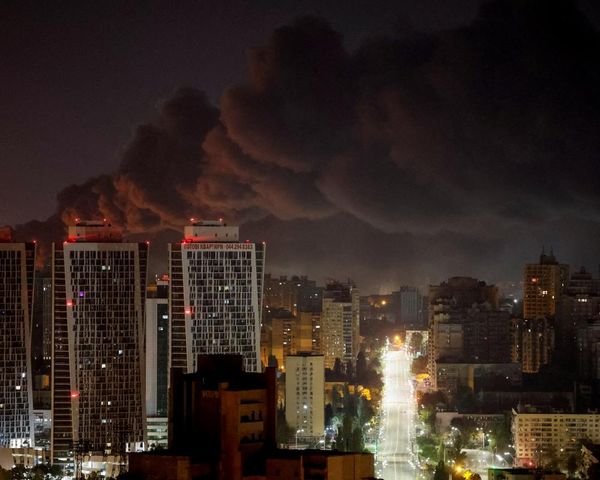
The Russian invasion of Ukraine has highlighted the danger of modern warfare among nations in that it can drag other nations into the fray, in this case, friends and allies. During World War II and the Cold War, friends and allies were clearly identified. In a similar vein, common enemies were equally as clear. However, as the biggest war in Europe since 1945 erupted in February has shown, today, the impacts of war have far-reaching repercussions in all corners of the world, regardless of friends or foes. This is partly due to the increasingly interconnected world, which has been developed and strengthened in the past three decades. Even though the idea of de-globalisation and decoupling is gaining some traction in some quarters, both in the East and West, it is still impossible to sever multi-levels of connectivity.