
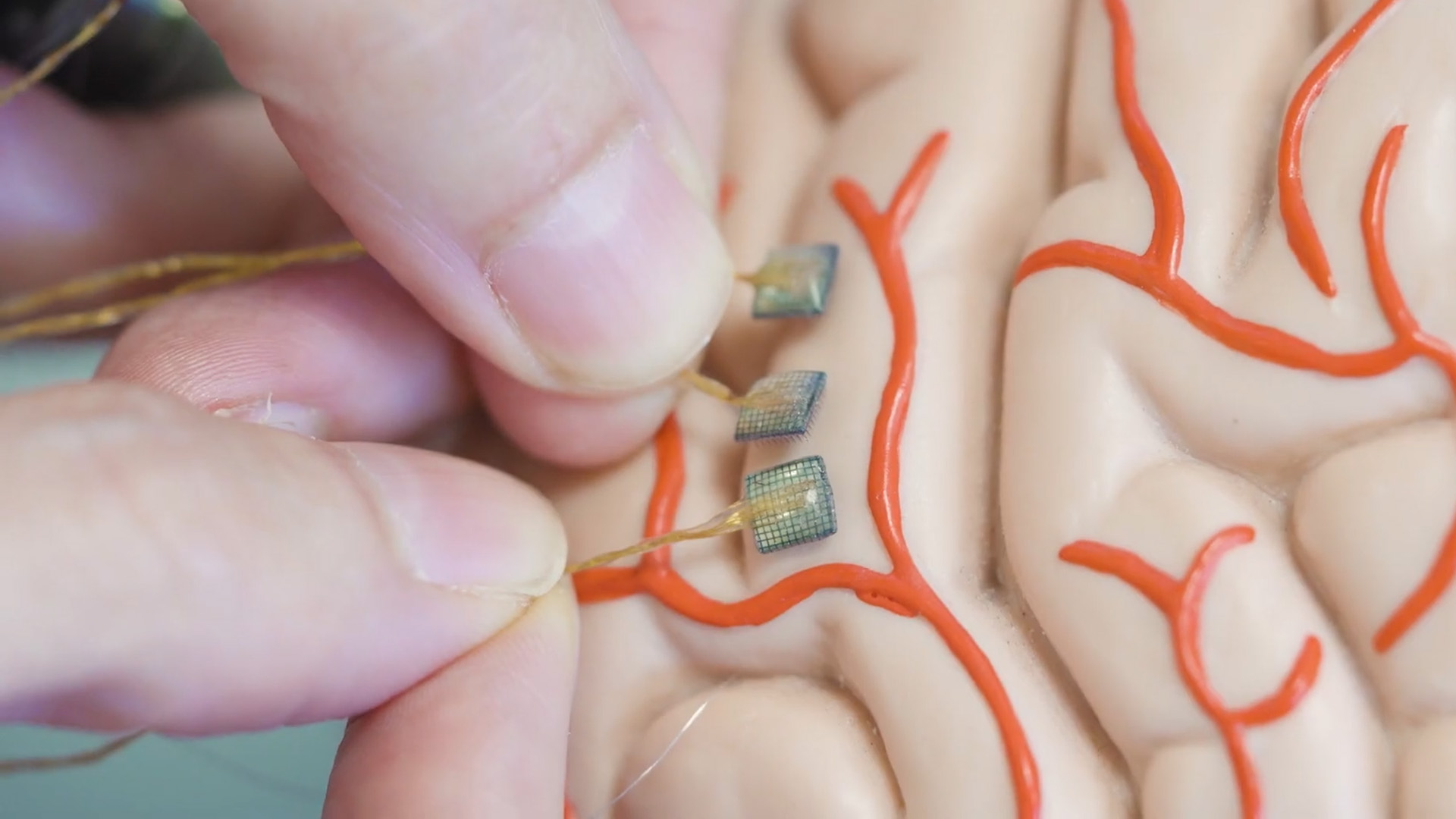
They keep trying to make neural interfaces happen, and I'm sceptical about 90% of the venture; as far as big tech is concerned, there's a 'closed' sign on my grey matter, thanks. Still, the other 10% of brain-computer interface projects present genuine medical advancements worth getting excited about.
A team of researchers at Feinstein Institutes for Medical Research in Manhasset, New York, have created a brain-computer interface that both allows patients to not only move paralysed limbs, but to feel them once more too (via IEEE Spectrum). The team is led by Chad Bouton, vice president of advanced engineering at the institute, and they achieved the aforementioned with a "double neural bypass" system they've been working on since at least 2015. Unsurprisingly, it turns out cutting long term funding for medical research is a short-sighted move at best.












