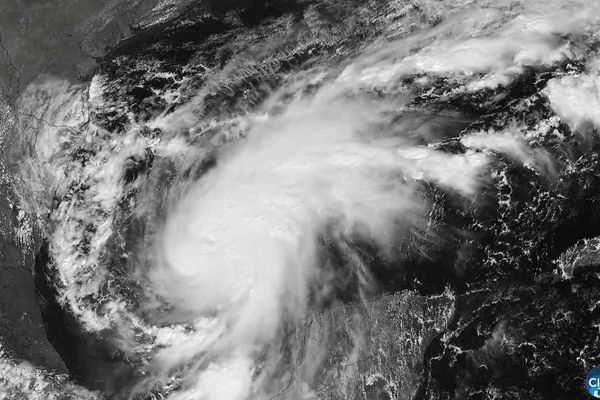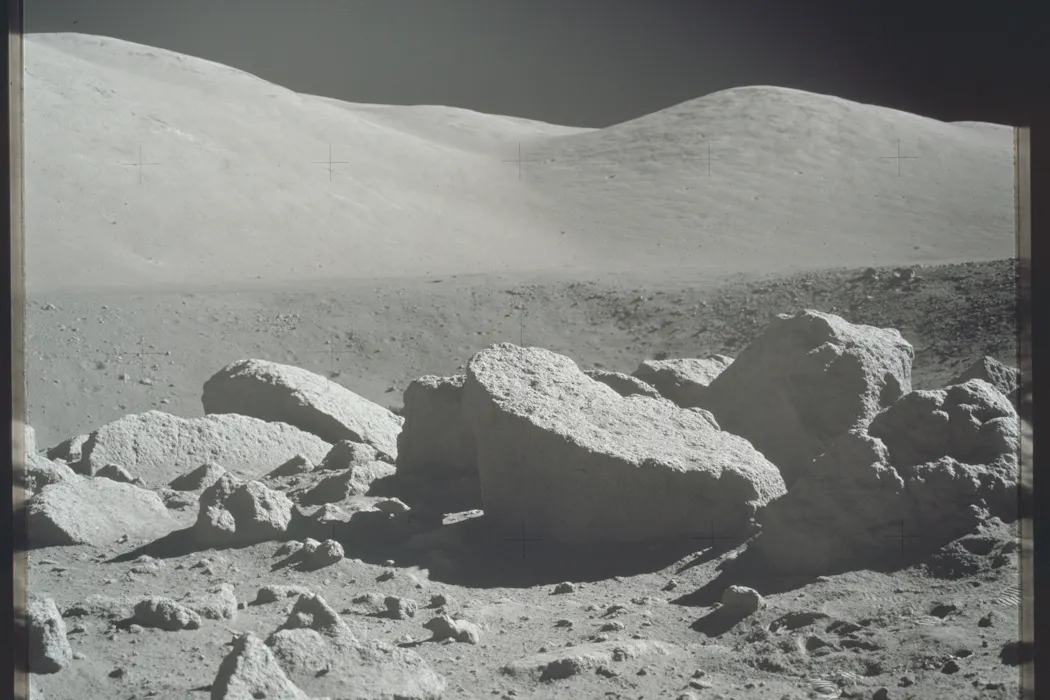
The Earth and the Moon may look very different today, but they formed under similar conditions in space. In fact, a dominant hypothesis says that the early Earth was hit by a Mars-sized object, and it was this giant impact that spun off material to form the Moon. But unlike Earth, the Moon lacks plate tectonics and an atmosphere capable of reshaping its surface and recycling elements such as oxygen over billions of years.
As a result, the Moon preserves a record of the geological conditions that helped shape it and can give scientists insight into the world we live in today. Rocks that were formed during early volcanic activity on the Moon offer a window into events that occurred nearly 4 billion years ago. By uncovering the conditions under which the Moon’s rocks formed, scientists move closer to understanding the origins of our own planet.