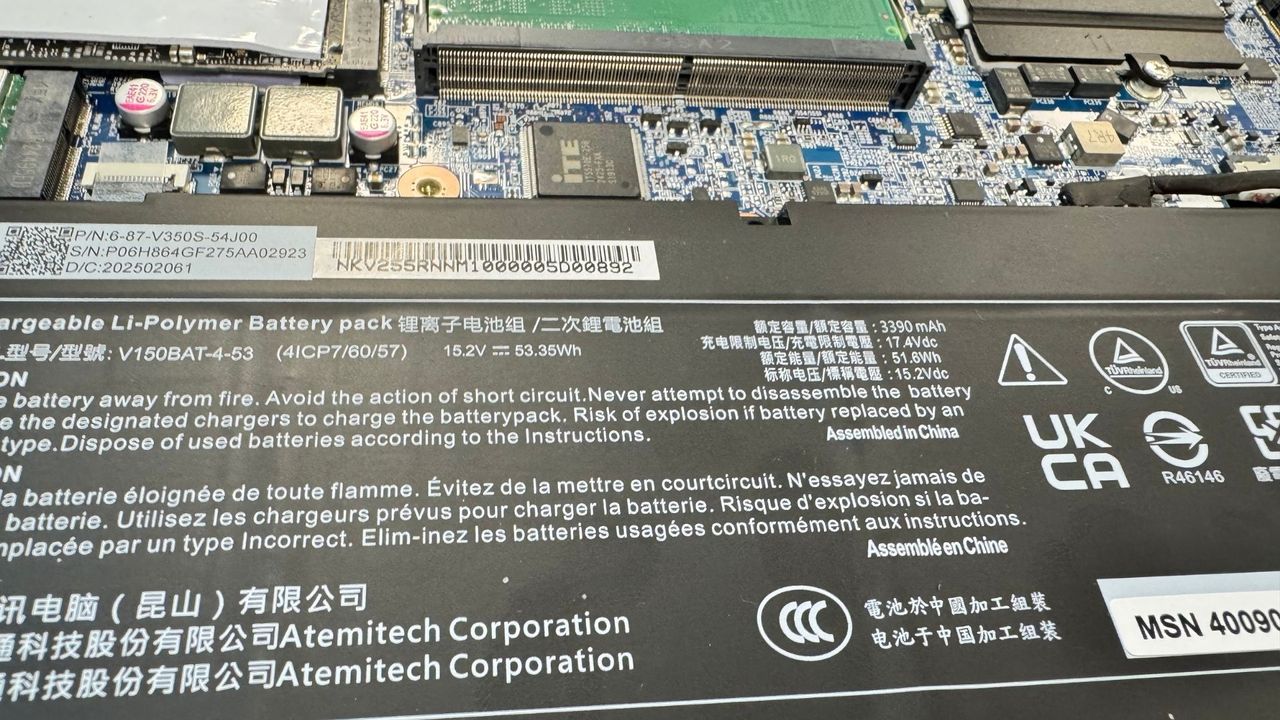
Whether it's a handheld PC, gaming laptop, or something much larger like a car, we all want batteries that can charge much quicker, store more energy, and last longer before wearing out. Until now, most advances in these areas have been discovered through trial and error, but a newly developed mathematical model, backed by experimental evidence, could be used to steer engineers in the right direction for the next generation of batteries.
That's according to the Massachusetts Institute of Technology (MIT), in a report on research carried out by a team of engineers, mathematicians, and material scientists. Specifically, the study investigated the process of lithium-ion intercalation, the electrochemical schenanigans that take place in the batteries we use in watches, phones, and pretty much anything these days.