
A dangerous resurgence of an old telephone trick, now supercharged by artificial intelligence, is targeting bank customers across Florida in early 2026. Known as the “Say Yes” scam, fraudsters are using local area codes, such as 305, 407, and 813, to lull victims into answering the phone, only to ask a simple question like “Can you hear me?” or “Is this [Your Name]?” The goal is to record you saying the word “Yes,” which is then used to authorize fraudulent charges or bypass voice-biometric security layers at major financial institutions. With AI now capable of cleaning up these recordings to sound like a live authorization, the threat level has shifted from a nuisance to a severe financial risk. If you receive a call from an unfamiliar number asking these specific questions, the safest action is to hang up immediately without speaking.
The Say Yes Trap Explained
The scam begins when your phone rings with a number that looks familiar, often mimicking a local business or neighbor to lower your guard. When you answer, there is typically a moment of silence or a faint crackle of static before a voice asks, “Can you hear me?” or “Are you the homeowner?” Your natural instinct is to respond politely with “Yes,” but that single word is exactly what the scammer needs to complete their crime. In 2026, automated bots can instantly capture that “Yes” and splice it into a pre-recorded conversation where you appear to agree to a purchase or a wire transfer. This digital manipulation creates a “verbal contract” that can be incredibly difficult to dispute with your bank later.
Why Florida Is The Epicenter
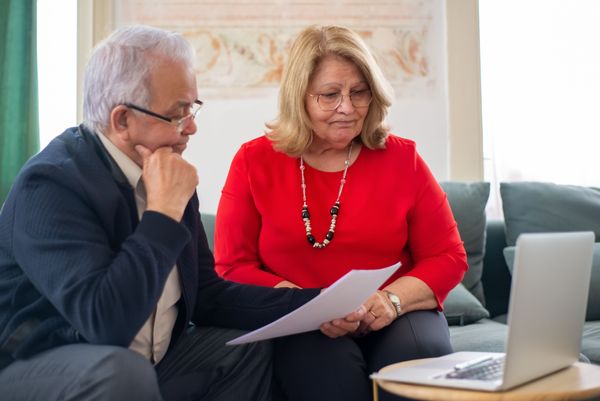
Florida has become the primary testing ground for this scam due to its high concentration of seniors and retirees who still utilize landlines and voice banking. Scammers know that older adults are more likely to answer unknown calls and are often conditioned to be polite to strangers on the phone. Recent reports from cybersecurity firms indicate that AI-driven fraud rings are specifically targeting Florida zip codes with high retiree populations. These criminals are not just looking for a “Yes”; they are building a database of voice prints to use in future grandparent scams or identity theft attempts. The Sunshine State’s demographics make it a target-rich environment for voice-based social engineering.
The AI Voice Clone Twist
What makes the 2026 version of this scam terrifying is the integration of AI voice cloning technology. In the past, a recording of you saying “Yes” sounded choppy and edited, but modern AI tools can smooth out the audio to make it sound like a natural, continuous sentence. Scammers can now use a few seconds of your voice to train a deepfake model that can say anything, not just the word “Yes.” This means that even a short conversation about the weather can give them enough audio data to impersonate you to your bank’s customer service line. Your voice is now a password, and giving it away to a stranger is akin to handing over your PIN.
How to Protect Your Voice
The most effective defense against this scam is to screen your calls rigorously and avoid speaking to numbers you do not recognize. If you do answer and a caller asks, “Can you hear me?”, do not answer “Yes”; instead, reply with a question like “Who is calling?” or simply hang up. Most robocalls will disconnect if they do not hear the specific trigger word they are programmed to listen for. Additionally, you should contact your bank and ask to set up a secondary challenge password or PIN for phone banking. This ensures that even if a scammer has your voice print, they cannot access your funds without the secret code.
Check Your Statements Daily
If you suspect you may have accidentally said “Yes” to a scammer, vigilance is your only recourse. Monitor your bank and credit card statements daily for unauthorized charges, particularly small test charges of a few dollars. Make sure to report any suspicious activity promptly. With diligence, you can protect yourself, your family, and your assets.
Did you get a “Can you hear me?” call this week? Leave a comment below and tell us which area code they used.
You May Also Like…
- Rachel Cruze: Making Valentine’s Day Memorable on a Budget
- Florida Renters Are Being Priced Out — But This Little-Known Program Could Save You Thousands
- The 2026 Tax Law Change That Could Cost You Thousands — Unless You Do This Now
- 3 Things to Consider When Cleaning Out Your Attic Before a Remodel
- The No-Court Paycut: Why 5.5 Million Defaulted Borrowers Face a 15% Seizure This Week
The post New AI Voice Scam Is Targeting Bank Customers in Florida — Don’t Say “Yes” if This Number Calls appeared first on Thousandaire.