
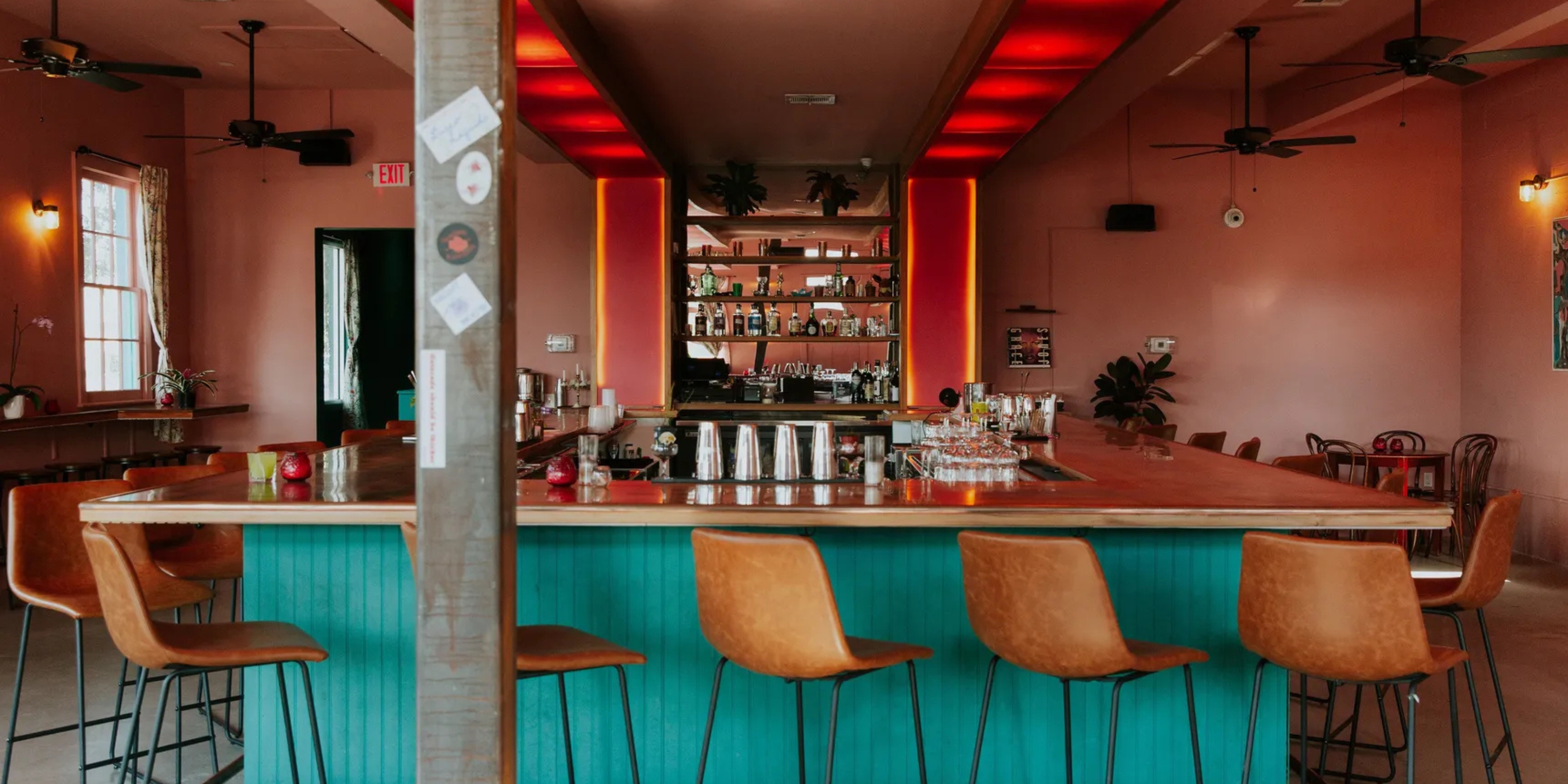
There are cities whose energy can cast a spell on you even without visiting first-hand, and for me, New Orleans has always been synonymous with firmly reverberating jazz, bold flavors, and vibrantly contrasting, time-traveling architecture.
Founded in the spring of 1718 by the French Mississippi Company, La Nouvelle-Orléans underwent temporary Spanish rule between 1763 and 1803 before Napoleon sold it, alongside the rest of the Louisiana colony, to the US. A strategic site during the American Civil War, by 1830, one third of New Orleans' total population was enslaved. While that number was loaded against the majority of Black residents, weighing heavy on their life conditions through — and well beyond — the abolition of slavery in 1864, it also "greatly influenced its status as one of the most African cities in the western hemisphere," Anastacia Scott, Director of Educational Programming at Hermann-Grima + Gallier Historic Houses, writes of New Orleans, adding that "these contributions are ever-present through the city's celebrated culture."