
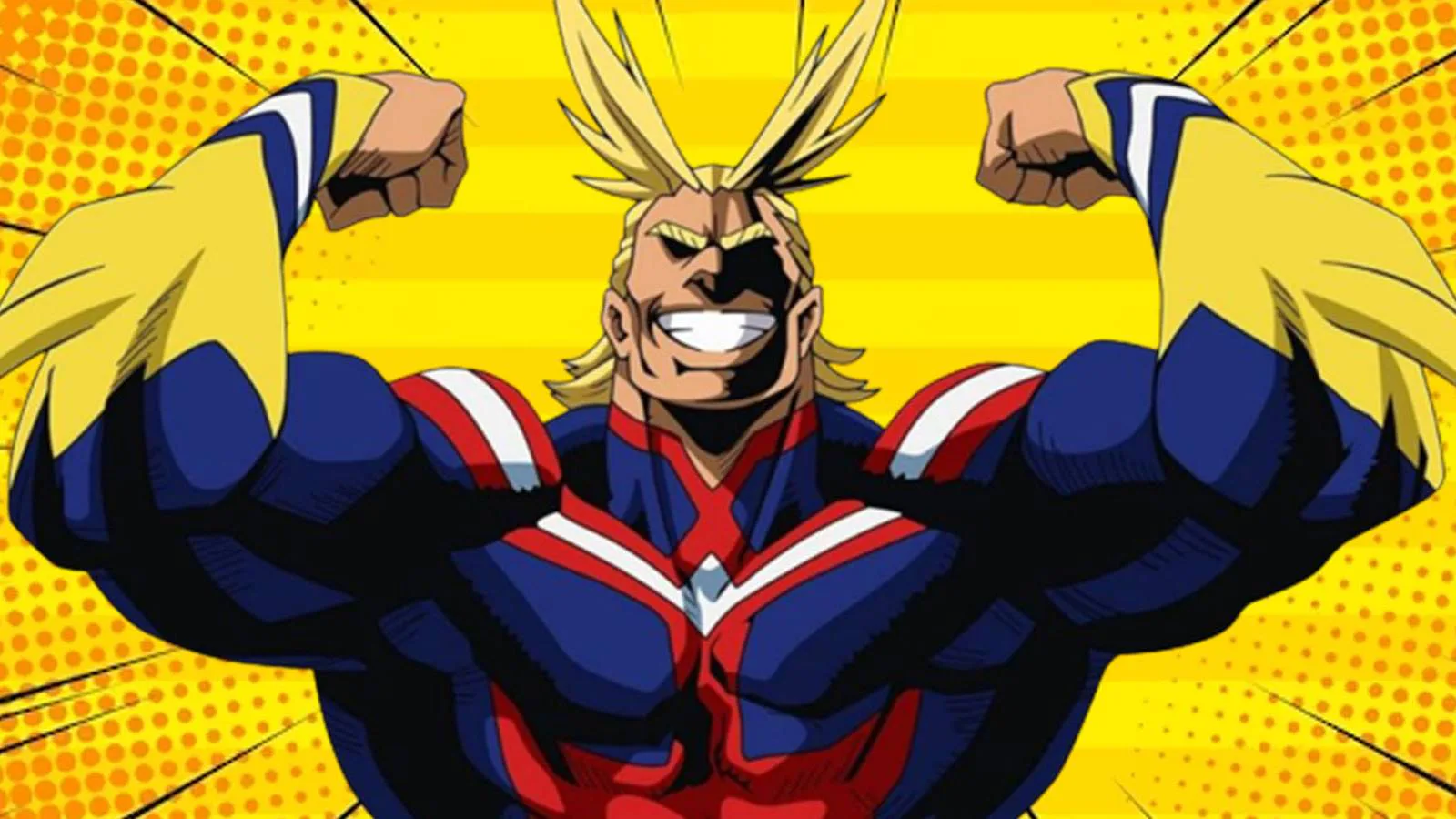
Over the last 20 years of mass entertainment, there’s been an interesting synergy between the rise of superhero films and the popularity of shōnen anime in the United States. Since the ‘90s opened the floodgates for the migration of anime and manga from Japan to America, both mediums have been synonymous with shōnen storytelling (predominantly action-adventure tales aimed at adolescent boys) despite the fact that there’s immense diversity to be found in each. At pretty much the same time U.S. audiences began engaging with shōnen en masse as a result of works like Dragon Ball Z and Naruto, the cultural domination of the superhero movie slowly began, and it’s easy to see the parallels between the two — both are frequently high-concept, spectacle-heavy genres about good overcoming evil, and both have transcended the label of “teenage boy entertainment” to encompass massive, diverse fanbases.
Ironically enough, the similarities between superhero fiction and shōnen have been directly engaged with in works from both genres. Marvel Comics have consistently dabbled in anime adaptations of characters as well as a short-lived Mangaverse (which is making a return later this year), and on the flip side, one of the most popular animes and mangas of the last decade was My Hero Academia, a sprawling love-letter to superheroes as an archetype. Now, only a year after the anime officially ended its run, it’s being revived in live-action, which might breathe some new life into superhero movies as a whole.